
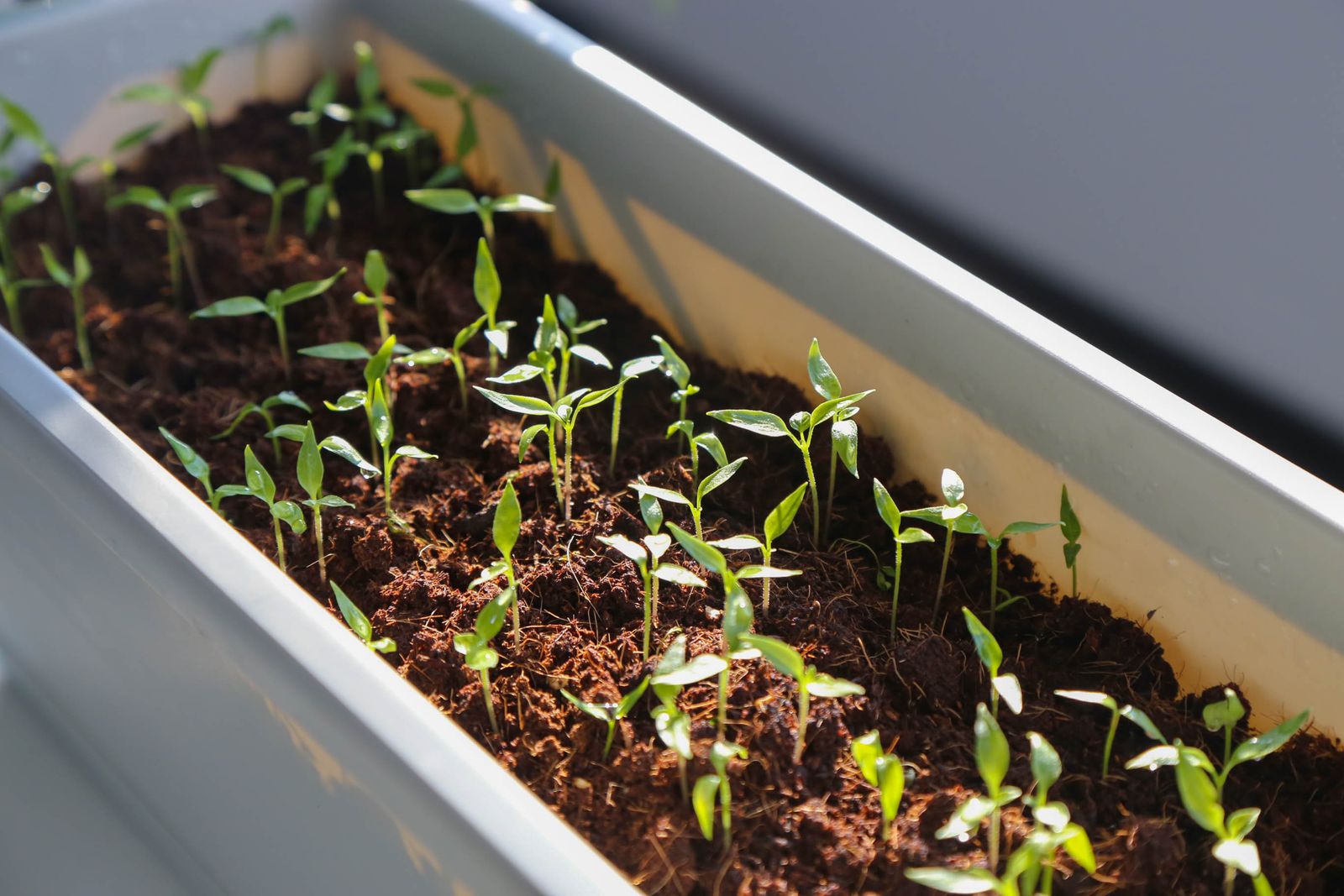
Welcome to Section 4: Strategies for Resilience and Coping
In this section of the curriculum, you will learn:
- Different ways in which people can respond to climate emotions
- More adaptive and less adaptive responses
- Various ways of coping
- The power of hope
- Theories and approaches that support and validate climate emotions
- A range of therapeutic approaches that can be used in developing and supporting resilience and coping strategies — such as nature-based and skills-based methods
- The multi-layered ways in which social groups, communities and systems play a role in supporting climate emotions
- How climate justice frameworks can address the emotional and mental health impacts of climate change by promoting equity, accountability, and systemic transformation.
This section includes content relating to mental health, climate change, and injustice. Some learners may find these topics challenging to engage with. This information is available to you to engage with as you choose, including choosing not to engage with particular sections. We encourage you to approach the material in ways that support your well-being.
Please remember to:
- Pace yourself
- Take breaks as necessary
- Practice self-care as you work through the curriculum
Resources are available to support yourself in navigating emotions that may arise during this curriculum. Take some time to reflect on what supports you, consider what resources you could connect with as needed, and review the list of ideas we have compiled here:
- If you are in Canada and need immediate mental health support, you can access a list of available resources here.
- You can also access a list of additional supportive resources compiled by the MHCCA team here.
- If you are feeling overwhelmed or in need of a mental pause, you may find support in this list of grounding and presencing techniques.
Module reviewers & contributors
- Kiffer G. Card, Faculty of Health Sciences, Simon Fraser University
- Kaylie Higgs, Mental Health and Climate Change Alliance
- Dana De Benetti, Mental Health and Climate Change Alliance
- Michael Marchand, sqilxw, syilx Nation - Cultural Safety Consultant
When considering how individuals think, feel, and behave in the context of climate change, it is helpful to explore more and less adaptive cognitive patterns. These patterns significantly influence emotional responses and coping processes related to climate emotions, and can shape how people engage with climate-related challenges over time.
In psychology and related fields, the terms adaptive and maladaptive are common terms used to describe how people respond to stressful or challenging situations. Adaptive responses generally support coping and functioning, whereas maladaptive responses may impact coping abilities or contribute to increased distress over time. These responses are not fixed and can change. Someone may use more adaptive coping strategies in some circumstances but less adaptive in others depending on the situation, resources and support available.
Although these terms are used within some theoretical perspectives in this module, the overall approach emphasizes more adaptive and less adaptive response to avoid framing emotional experiences as “right” or “wrong”. Instead, the focus is on understanding how some coping patterns may or may not support well-being in current social and environmental contexts.
All emotions related to climate change should be approached with care and validation, including those that may seem overwhelming or to be hindering action. These emotions are important, and dismissing them as maladaptive may limit opportunities for reflecting, processing, and moving through them.
This section explores the concepts of adaptive cognition within the context of climate emotions, drawing on various psychological theories and frameworks, core concepts, and relevant applications to support understanding.
Adaptive and maladaptive, or more and less adaptive responses, represent the varied ways individuals process and respond to the stressors posed by climate change. More adaptive cognitions enable constructive problem-solving, acceptance, and proactive action, while less adaptive cognitions might be protective or reduce stress in the short-term, but lead to denial, distortion, and ruminative worry that hinder effective coping.
Below are some examples of adaptive and maladaptive emotional responses or cognitions. Can you think of others?
More Adaptive Cognitions
• Acknowledging Reality – Recognizing the seriousness of climate change without denial or distortion.
• Emotional Regulation – Acknowledging, accepting, and processing fear, anger, or despair in ways that preserve mental health and personal agency.
• Maintaining Hope and Motivation – Sustaining a belief that actions can make a difference, avoiding nihilism or inaction.
• Engaging Constructively – Acting in alignment with one’s values and participating in individual actions and/or collective problem-solving, activism, policy change, or community-building.
Less Adaptive Cognitions
• Distort or Deny – Downplaying scientific consensus or catastrophizing to the point of paralysis.
• Emotional Overwhelm – Leading to uncontrolled anxiety, despair, or cynicism.
• Undermine Agency – Resulting in inaction, withdrawal, or destructive behaviors.
• Block Collective Action – Eroding communal efforts or discouraging effective policy engagement.
Several psychological theories can be applied to explain the mechanisms behind adaptive cognitions in the context of climate emotions. By synthesizing these frameworks, we can gain additional perspectives and broader understanding of how individuals navigate their emotional landscapes amid environmental crises. Many of these theories continue to be refined and applied in emerging areas, such as climate-related emotions and mental health. We provide them here for consideration of key frameworks often used in academic and therapeutic discussions.
The Transactional Model of Stress and Coping, developed by Richard Lazarus and Susan Folkman, is a foundational framework in understanding how individuals respond to stressors. This model emphasizes the dynamic and ongoing process by which individuals evaluate and cope with environmental demands.
Core Concepts:
- Appraisal: Individuals continuously assess (appraise) the significance of environmental stressors in relation to their ability to cope.
- Coping Strategies: Depending on the appraisal, individuals employ various coping strategies to manage stress.
Application to Climate Emotions:
- Adaptive Coping: When individuals appraise climate threats as manageable, they engage in problem-solving and seek viable solutions, fostering acceptance and proactive action.
- Maladaptive Coping: When climate threats are appraised as overwhelming, individuals may resort to denial or ruminative worry, which stalls effective action and exacerbates emotional distress.
This model highlights the importance of perception in determining whether cognitive responses to climate change are adaptive or maladaptive, underscoring the need for supportive interventions that enhance coping capacities.
Cognitive-Behavioral Therapy, pioneered by Aaron T. Beck and Albert Ellis, focuses on the interplay between thoughts, emotions, and behaviors. CBT posits that dysfunctional thought patterns, or cognitive distortions, can lead to negative emotional states and behaviors.
Core Concepts:
- Cognitive Distortions: Irrational or biased ways of thinking, such as overgeneralizing, catastrophizing, or all-or-nothing thinking.
- Behavioral Outcomes: These distortions contribute to negative emotions and less adaptive behaviors.
Application to Climate Emotions:
- Adaptive Thinking: Developing balanced and nuanced thinking patterns, focusing on practical steps, maintaining hope, and building resilience. (e.g., “Climate change is serious, but there are still meaningful actions I can take in my daily life and community.”)
- Maladaptive Thinking: Engaging in catastrophizing (e.g., “It’s all hopeless, so why bother?”), all-or-nothing thinking, or avoidance (e.g., “It’s not real, so I don’t need to act.”), which exacerbate emotional distress and hinder constructive action.
CBT provides tools for individuals to identify and modify thought patterns, promoting more balanced emotional responses and effective climate engagement.
James Gross’s Emotion Regulation Theory explores how individuals influence their emotions, including how they experience and express them. The theory outlines various strategies people use to manage their emotional responses.
Core Concepts:
- Reappraisal: Changing the way one thinks about a situation to alter its emotional impact.
- Suppression: Inhibiting the outward expression of emotions.
Application to Climate Emotions:
- Adaptive Regulation: Using reappraisal to transform anxiety into proactive engagement, fostering empowerment and resilience. For example, viewing climate anxiety as a motivator to attend a community meeting, make personal lifestyle adjustments, or engage in learning or discussion.
- Maladaptive Regulation: Suppressing or denying emotions, leading to bottled-up distress, burnout, and inaction. For example, ignoring feelings of eco-anxiety by avoiding climate-related news or conversations, which may temporarily reduce discomfort but can contribute to challenges over time.
Effective emotion regulation strategies are essential for maintaining mental wellbeing and promoting sustained climate action.
Existential psychology is influenced by thinkers like Viktor Frankl and Irvin Yalom, and delves into the fundamental questions of meaning, mortality, and existence. It addresses how individuals find purpose and cope with existential anxieties, particularly in the face of large-scale threats like climate change.
Core Concepts:
- Existential Anxiety: Fear related to threats to meaning, mortality, and one’s place in the world.
- Meaning-Making: The process of finding purpose and significance despite existential threats.
Application to Climate Emotions:
- More Adaptive Framing: Acknowledging existential fears and transforming them into purposeful action or finding meaning in collective efforts. For example, channeling climate grief into local climate advocacy or conservation work.
- Less Adaptive Framing: Succumbing to nihilism or profound despair, such as thinking “nothing that I do matters anymore” which undermines personal and communal resilience and inhibits meaningful engagement.
Spearheaded by Martin Seligman and Barbara Fredrickson, emphasizes the study of positive emotions, strengths, and virtues that enable individuals and communities to thrive.
Core Concepts:
- Optimism: Maintaining a positive outlook while acknowledging challenges.
- Resilience: The ability to bounce back from adversity.
- Strengths-Based Approaches: Leveraging individual and collective strengths to overcome obstacles.
Application to Climate Emotions:
- More Adaptive Hope: Integrating hope with realistic assessments of climate challenges, fostering proactive and sustained engagement in climate action.
- Less Adaptive Hope: Encouraging an unrealistic optimism that dismisses the gravity of climate issues such as assuming “things will work out on their own”, potentially leading to inaction, decreased preparedness, and dismissal of others’ concern.
Developed by C.R. Snyder, is a cornerstone of positive psychology that focuses on the cognitive components of hope—goals, pathways, and agency—and how they contribute to psychological resilience and motivation.
Core Concepts:
- Goals: Setting clear, achievable objectives.
- Pathways: Developing strategies to reach those goals.
- Agency: Cultivating the motivation to pursue the pathways.
Application to Climate Emotions:
- More Adaptive Hope: Embracing an engaged stance that recognizes challenges while believing in solutions and one’s efficacy, promoting creativity and resilience. For example, an individual may set a goal of contributing to climate action in their community and identify pathways that are accessible to them such as lifestyle choices (e.g., choosing to walk instead of drive when able), engaging in learning (e.g., attending a climate related lecture or suggesting a relevant book for a book club), discussing with friends and family, and participating in local initiatives and advocacy. Agency can be supported through indirect actions that may feel “small” but can meaningfully contribute to large collective change.
- Less Adaptive Hope: Maintaining false hope or toxic positivity that minimizes climate threats without addressing them, weakening genuine engagement. For instance, promoting overly optimistic narratives that ignore the severity of climate impacts, leading to complacency.
Social Constructionism, as articulated by Peter L. Berger and Thomas Luckmann, and Critical Psychology, offer frameworks for understanding how societal narratives, cultural norms, and power relations shape individuals’ perceptions and responses.
Core Concepts:
- Social Constructionism: The idea that our understanding of reality is constructed through social interactions and cultural norms.
- Critical Psychology: Focuses on the role of power dynamics and systemic inequalities in shaping psychological experiences and behaviors.
Application to Climate Emotions:
- More Adaptive Cognition: Recognizing and advocating for systemic change, understanding how cultural norms and power relations influence climate responses. For example, challenging dominant narratives that prioritize economic growth over environmental sustainability.
- Less Adaptive Cognition: Internalizing societal pressures without addressing underlying inequalities, perpetuating emotional distress and inaction. For instance, accepting harmful stereotypes about climate activists without considering the systemic issues that activists are trying to draw attention to.
These frameworks underscore that individual cognitive and emotional responses to climate change are deeply embedded in broader sociopolitical contexts, highlighting the need for collective and systemic approaches to foster adaptive responses.
Ecopsychology, influenced by thinkers like Theodore Roszak and Joanna Macy, examines the relationship between humans and nature, emphasizing how this connection affects mental health and wellbeing. It explores the psychological impacts of environmental degradation and the healing potential of reconnecting with the natural world.
Core Concepts:
- Connection to Nature: The emotional and psychological bond between individuals and the natural environment.
- Ecological Identity: The extent to which individuals see themselves as part of the natural world.
Application to Climate Emotions:
- More Adaptive Cognition: Fostering connection, empathy, and stewardship towards nature, which enhances mental well-being and environmental commitment. For example, engaging in nature conservation activities, spending time in local greenspaces, developing a personal connection to the natural environment to reinforce a sense of belonging and responsibility.
- Less Adaptive Cognition: Experiencing disconnection from nature can lead to apathy or destructive behaviors; however this disconnection is not always an individual choice. It may reflect structural barriers, such as limited access to outdoor spaces, exclusion, or historical or ongoing inequities such as colonial displacement and the enclosure of public and outdoor spaces for private use. In some cases, detachment from environmental issues may result in reduced motivation to engage in climate action.
These perspectives highlight the profound impact of our relationship with nature on our emotional responses to climate change, advocating for a reconnection with the environment as a potential pathway to emotional and ecological healing.
Connections with Indigenous Wellness Frameworks
The First Nations Wellness Continuum Model is a framework developed by Thunder Bird Partnership Foundation in partnership with First Nations that outlines the many aspects that contribute to the wellness of Indigenous Peoples. Within this framework, mental wellness is described as emotional, physical, mental, and spiritual balance. At the core of the model are four key wellness outcomes: hope, belonging, meaning, and purpose. These are themes that align with several of the more adaptive responses outlined in the earlier theories and frameworks.
Within the First Nations Wellness Continuum Model, individual wellness is situated within a broader network of relationships and is connected to culture, community, land, and supportive systems. When applied in the context of responding to climate change, this model highlights that within many Indigenous contexts, resilience and adaptation are often collective and relational processes.
How might connections to community, culture, or relationships help people respond to climate-related emotions and challenges? Reflect on what sources of hope, belonging, meaning, or purpose support your own well-being and resilience in difficult times.
Can “Good” Emotions Be Less Adaptive?
Emotional responses to climate change are not inherently good or bad. Take hope, for example. While hope is often celebrated as a driving force for positive change, in the context of climate change, it can sometimes become maladaptive. When hope is based on unrealistic expectations or "false hope," it may lead to complacency, causing individuals and communities to delay taking necessary actions.
Similarly, toxic positivity—the excessive and insistent focus on maintaining a positive outlook—can undermine effective climate action. By dismissing or invalidating legitimate fears, anxieties, and frustrations, toxic positivity prevents individuals from fully acknowledging the severity of the climate crisis. This can lead to emotional burnout and disengagement, as people feel pressured to stay positive despite overwhelming challenges.
Acknowledging that emotions are neither inherently good nor bad allows us to understand how both hope and toxic positivity, when not balanced with realism and actionable plans, can inadvertently hinder individual and collective climate resilience, action, and progress. By recognizing the complex role of these emotions in climate discourse, we can better balance optimism with urgency and authenticity, ensuring that our “positive” feelings translate into meaningful and sustained environmental action.
Indigenous Perspectives
As this module explores the difference between more adaptive and less adaptive responses to climate stress, frameworks like the First Nations Mental Wellness Continuum highlight the importance of grounding resilience in relationship, culture, and community. In many Indigenous worldviews, more adaptive responses are not isolated individual strategies, but shared practices that restore balance and connection. These practices help people hold emotional complexity while maintaining orientation toward responsibility and collective care. Community is central in many contexts, and emotional well-being is not solely a personal task but a shared one, supported by kinship networks, intergenerational knowledge, and spiritual guidance. These relationships reinforce belonging, clarify purpose, and prevent isolation or despair from becoming overwhelming. They mirror the more adaptive coping goals of this module by offering responses that are emotionally honest, socially supported, and rooted in cultural and community continuity. In doing so, they show how adaptation can be both a psychological and cultural process.
Key Takeaways
- Adaptive and maladaptive or more and less adaptive cognitions significantly influence how individuals emotionally respond to climate change, shaping their coping mechanisms and actions.
- Frameworks such as Stress and Coping Theory, Cognitive-Behavioral Therapy, Emotion Regulation Theory, Existential and Ecopsychological Perspectives, Hope Theory, and Sociocultural Dimensions provide lenses to understand these cognitive patterns.
- Indigenous wellness frameworks, such as the First Nations Wellness Continuum Model, highlight that well-being is strengthened through relationships, culture, community, and land, and supportive systems emphasizing that adaptation is both an individual and collective process.
- Recognizing and fostering more adaptive cognitions—such as acceptance, constructive action, and hope—enhances emotional well-being and motivates proactive climate behaviors.
- Addressing less cognitions—like denial, catastrophizing, toxic positivity, and rumination—reduces emotional distress and prevents disengagement from climate action.
Differentiating between more adaptive and less adaptive responses to climate emotions can be important to inform effective support systems and promote resilience. By leveraging integrated theoretical insights and implementing practical strategies, we can empower individuals and communities to navigate the emotional complexities of climate change, transforming distress into determination and action.
Learning Activities
Below are active learning activities that you can use to enhance your learning experience for the content presented in this module. One version is designed to be done on your own and the other is designed to be done with others.
Objective: Learners will analyze climate-related emotional responses and evaluate whether they are more adaptive or less adaptive. They will explore strategies to foster adaptive responses while addressing maladaptive ones.
Instructions:
- Reflect on a Personal Emotional Response:
- Think about a time when you felt a strong emotional response to climate change (e.g., worry, hope, despair, anger).
- Write a brief description of the situation and your emotional reaction.
- Analyze the Response:
- Ask yourself:
- What was my response?
- Was my response more adaptive or less adaptive?
- In what ways did my thoughts and emotions influence my ability to cope, reflect, or take action (if at all)?
- Did I notice any recurring unpleasant or intense thought patterns? How did they impact my experience?
- How did I feel after this?
- Ask yourself:
- Identify Strategies for Balance:
- Reflect on how you could foster more adaptive cognitions in similar situations moving forward.
- Example: Instead of catastrophizing, focus on channeling anxiety into actionable steps like joining a local climate group or advocating for policy change.
- If your response was adaptive, identify ways to sustain this positive pattern.
- Reflect on how you could foster more adaptive cognitions in similar situations moving forward.
- Action Plan:
- Write a 200-word plan outlining specific strategies to address future responses that may be less adaptive and build on more adaptive ones.
Objective: Groups will collaboratively analyze examples of climate-related emotional responses and determine whether they are more adaptive or less adaptive , proposing strategies for fostering adaptive patterns.
Preparation Time: 10-15 minutes for preparing example scenarios or encouraging participants to bring their own.
Time Allocation: 60 minutes.
Facilitator Instructions:
- Introduction (10 minutes):
- Present a brief overview of more adaptive vs. less adaptive responses to climate emotions.
- Provide examples (e.g., hope motivating activism vs. false hope leading to complacency).
- Group Work: Scenario Analysis (30 minutes):
- Divide learners into small groups and provide each group with a set of climate-related emotional scenarios. For example:
- A person becomes immobilized by despair after reading climate news.
- A student joins climate strikes but feels overwhelmed and quits all activism.
- An individual organizes a tree-planting event to address eco-anxiety.
- Group Tasks:
- Determine whether each scenario demonstrates a more adaptive or less adaptive response.
- Identify the underlying cognitive patterns and/or psychological theories shaping the response (e.g., catastrophizing, emotional regulation).
- Propose a strategy to address less adaptive responses or enhance more adaptive ones.
- Divide learners into small groups and provide each group with a set of climate-related emotional scenarios. For example:
- Share and Discuss (15 minutes):
- Each group presents one scenario, their analysis, and proposed strategies.
- Facilitate a discussion with prompts like:
- “What patterns do we see across less adaptive responses?”
- “How can these strategies apply to different contexts?”
- Reflection (5 minutes):
- Ask learners to consider how they might apply what they learned to their own emotional responses to climate change.
Encourage learners to journal about:
- A past less adaptive response they’ve experienced and how they could reframe it using strategies discussed.
- The role of hope in their climate emotions and how to balance it with realism and action.
- How they can support others in recognizing and shifting less adaptive patterns.
Optional Variation:
Ask learners to design an infographic that differentiates more adaptive and less adaptive responses. Encourage them to include tips for fostering adaptive responses, drawing on the psychological frameworks covered in the module.
References
- Biggs, A., Brough, P., & Drummond, S. (2017). Lazarus and Folkman's psychological stress and coping theory. In C. L. Cooper & J. C. Quick (Eds.), Handbook of stress and health: A guide to research and practice. Wiley. https://doi.org/10.1002/9781118993811.ch21
- Bender, H., & Rawluk, A. (2024). Adaptive hope: A process for social environmental change. Insight, 28(2). https://doi.org/10.5751/ES-14099-280214
- Cianconi, P., Hanife, B., Grillo, F., Betro', S., Lesmana, C. B. J., & Janiri, L. (2023). Eco-emotions and Psychoterratic Syndromes: Reshaping Mental Health Assessment Under Climate Change. The Yale journal of biology and medicine, 96(2), 211–226. https://doi.org/10.59249/EARX2427
- Coppola, I., & Pihkala, P. (2023). Complex dynamics of climate emotions among environmentally active Finnish and American young people. Frontiers in Political Science, 4(2022). https://doi.org/10.3389/fpos.2022.1063741
- Crandon, T.J., Scott, J.G., Charlson, F.J. et al. (2024). A theoretical model of climate anxiety and coping. Discovery Psychology, 4, 94. https://doi.org/10.1007/s44202-024-00212-8
- Cunsolo, A., Harper, S. L., Minor, K., Hayes, K., Williams, K. G., & Howard, C. (2020). Ecological grief and anxiety: the start of a healthy response to climate change?. The Lancet Planetary Health, 4(7), e261–e263. https://doi.org/10.1016/S2542-5196(20)30144-3
- Daeninck, C., Kioupi, V., & Vercammen, A. (2023). Climate anxiety, coping strategies and planning for the future in environmental degree students in the UK. Frontiers in Psychology, 14, 1126031. https://doi.org/10.3389/fpsyg.2023.1126031
- Ellis, A. (1995). Changing rational-emotive therapy (RET) to rational emotive behavior therapy (REBT). Journal of Rational-Emotive & Cognitive-Behavior Therapy, 13, 85–89. https://doi.org/10.1007/BF02354453
- Eusse-Villa, L., Bonardi Pellizzari, C., Franceschinis, C. et al. (2024). Identification of maladaptive behavioural patterns in response to extreme weather events. Scientific Reports, 14, 10563. https://doi.org/10.1038/s41598-024-60632-3
- Fenn, K., & Byrne, M. (2013). The key principles of cognitive behavioural therapy. InnovAiT, 6(9), 579–585. https://doi.org/10.1177/1755738012471029
- Fredrickson, B. L. (2004). The broaden-and-build theory of positive emotions. Philosophical Transactions of the Royal Society of London. Series B, Biological Sciences, 359(1449), 1367–1378. https://doi.org/10.1098/rstb.2004.1512
- Grothmann, T., & Patt, A. (2005). Adaptive capacity and human cognition: The process of individual adaptation to climate change. Global Environmental Change, 15(3), 199–213. https://doi.org/10.1016/j.gloenvcha.2005.01.002
- Koder, J., Dunk, J., & Rhodes, P. (2023). Climate distress: A review of current psychological research and practice. Sustainability, 15(10), 8115. https://doi.org/10.3390/su15108115
- Kovács, L. N., Jordan, G., Berglund, F., Holden, B., Niehoff, E., Pohl, F., Younssi, M., Zevallos, I., Ágoston, C., Varga, A., & Kökönyei, G. (2024). Acting as we feel: Which emotional responses to the climate crisis motivate climate action. Journal of Environmental Psychology, 96, 102327. https://doi.org/10.1016/j.jenvp.2024.102327
- McCaffery, J., & Boetto, H. (2024). Eco-emotional responses to climate change: A scoping review of social work literature. The British Journal of Social Work. Advance online publication. https://doi.org/10.1093/bjsw/bcae129
- Schipper, E. L. F. (2020). Maladaptation: When adaptation to climate change goes very wrong. One Earth, 3(4), 409–414. https://doi.org/10.1016/j.oneear.2020.09.015
- Steindl, C., & Krosch, A. R. (2018). Regulating emotional responses to climate change: A construal level perspective. Frontiers in Psychology, 9(2018), 629. https://doi.org/10.3389/fpsyg.2018.00629
Module reviewers & contributors
- Kiffer G. Card, Faculty of Health Sciences, Simon Fraser University
- Kaylie Higgs, Mental Health and Climate Change Alliance
- Dana De Benetti, Mental Health and Climate Change Alliance
- Claire Perry, Centre for Addiction and Mental Health
- Michael Marchand, sqilxw, syilx Nation - Cultural Safety Consultant
- Monique Beneteau, Canadian Coalition for Seniors’ Mental Health
- Brianna Aspinall Nuñez, Carbon Conversations TO
- Ashley Stoltz, Faculty of Health Sciences, Simon Fraser University
Building upon our understanding of more adaptive and less adaptive cognitions from the previous module, it is essential to delve deeper into the specific coping strategies individuals and communities employ to manage their climate-related emotions. Coping strategies are the methods people use to handle stress and emotional distress, influencing how they navigate the challenges posed by climate change. This module explores four major types of coping—Problem-Focused, Emotion-Focused, Meaning-Focused, and Avoidance Coping—providing definitions, practical examples within the climate context, their theoretical underpinnings, and an analysis of their effectiveness. These coping styles are grounded primarily in Western psychological theories and stress and emotions, and can be used as one way of understanding responses to climate-related stress. By understanding these coping styles, we can better support individuals in fostering resilience and promoting proactive climate action.
Contextualizing Coping within Larger Systems
Although this module focuses on individual coping styles, it is important to understand that coping with climate-related emotions is not only an individual responsibility. Climate change is a global and systemic issue, and many of its impacts are influenced by decisions made at the institutional, governmental, and policy level. For this reason, the burden of responding to its impacts should not fall only on individuals.
As explored in earlier sections, climate impacts and emotional responses are unevenly distributed. Coping strategies are one aspect to consider in the context of greater ongoing inequities. Coping strategies are tools to support well-being and meaningful engagement, but are only a part of responding to climate change alongside broader collective and systemic action.
When considering the emotional impacts of climate change and navigating these impacts, what do you do to support yourself? What do you find helpful to address these challenges? How do these strategies and approaches translate to community contexts that build resilience?
Climate change presents a complex array of emotional and psychological challenges. How individuals respond to these stressors through various coping strategies significantly affects their mental well-being and their ability to engage in effective climate action. The following sections outline the primary coping styles identified in climate psychology, each with its unique characteristics and implications. These strategies can be treated as different tools in a larger toolkit of resources and coping approaches. In fact, coping is often most effective when we adaptively blend approaches, shaped by our personal values, the nature of the stressor, and the support systems and resources available to us.
Below are the major types of coping that we consider in this curriculum:
Problem-Focused Coping involves taking direct actions to address or mitigate the sources of stress. This approach aims to resolve the underlying issues causing emotional distress, thereby reducing the impact of stressors.
- Theoretical Basis
- Stress and Coping Theory (Lazarus & Folkman, 1984): Richard Lazarus and Susan Folkman introduced this theory, emphasizing that individuals continuously evaluate (or “appraise”) environmental demands (stressors) in relation to their capacity to cope. When a stressor is perceived as controllable, individuals are more likely to engage in problem-focused coping.
- Self-Determination Theory (Deci & Ryan, 1985): This theory, developed by Edward Deci and Richard Ryan, focuses on human motivation and personality. They assert that fulfilling the needs for autonomy, competence, and relatedness enhances intrinsic (or self) motivation. Effective problem-solving skills support these needs, fostering a sense of agency and competence.
- Application to Climate Emotions
In the context of climate change, problem-focused coping might involve actions aimed at reducing personal or community climate impacts, advocating for policy changes, or participating in environmental activism.
- Examples
- Reducing Personal Climate Impacts : Implementing energy-saving measures at home, such as using LED bulbs, reducing water usage, improving your home’s insulation, or adopting a plant-based diet.
- Participating in Activism: Joining climate strikes, lobbying for environmental policies, volunteering with environmental organizations, organizing community clean-up events, or participating in community-led stewardship projects, including initiatives grounded in Indigenous knowledge systems and land-based practices such as land and water restoration or protection of culturally significant native non-invasive species
- Effectiveness
- Most Effective For: Controllable stressors where individuals can take concrete steps to make a difference.
- Benefits:
- Promotes a Sense of Agency and Efficacy: Taking action can enhance feelings of control and empowerment, reducing feelings of helplessness.
- Encourages Proactive Engagement and Resilience: Active involvement in solving climate-related issues fosters resilience and sustained commitment to environmental stewardship.
- Potential Limitations:
- Less Effective for Uncontrollable or Systemic Issues: Individual actions may have limited impact on large-scale environmental problems, potentially leading to frustration or even distress if one’s actions do not translate into visible impact or broader systemic changes are not addressed.
Emotion-Focused Coping involves managing and regulating emotional responses to stressors rather than addressing the stressors themselves. This approach aims to reduce emotional distress and maintain emotional balance.
- Theoretical Basis
- Emotion Regulation Theory (Gross, 1998): James Gross developed this theory to explore how individuals influence their emotions, including how they experience and express them. Strategies like reappraisal (changing the way one thinks about a situation) and suppression (inhibiting emotional expression) are central to this theory.
- Attachment Theory (Bowlby, 1969): John Bowlby’s theory emphasizes the importance of secure emotional bonds formed in early life, which influence emotional regulation and social relationships throughout adulthood. Securely attached individuals are more likely to engage in healthy emotion-focused coping by seeking social support.
- Application to Climate Emotions
Emotion-focused coping strategies help individuals manage the emotional distress caused by climate change, especially when direct action is limited or overwhelming.
- Examples
- Seeking Social Support: Talking to friends, family, or support groups about climate concerns to alleviate feelings of isolation and anxiety. In some Indigenous communities, this may take the form of a talking or sharing circle or other community gathering.
- Practicing Mindfulness and Relaxation Techniques: Engaging in meditation, yoga, deep-breathing exercises, or other relaxation practices to manage anxiety and stress.
- Expressive Creativity: Using creative outlets (e.g., journaling, drawing, painting, dancing, making music, photography) to process and express emotions related to climate change. In some Indigenous contexts beading, embroidery, carving, drumming, and dance can support both emotional wellness as well as cultural reclamation and continuity.
- Spending Time Outdoors: Spending time in nature, alone or with others can support grounding and emotional regulation.
- Caring for Physical Health: Engaging in regular enjoyable exercise, eating well and getting enough sleep all support physical health which is deeply tied to mental and emotional health.
- Effectiveness
- Most Effective For: Uncontrollable stressors where direct action is limited or impossible. Ongoing emotional processing and regulation to support further engagement and coping.
- Benefits:
- Reduces Immediate Emotional Distress: Helps process and navigate feelings of fear, anger, anxiety, and other emotions, preventing emotional overwhelm.
- Prevents Burnout: By responding to emotions effectively, individuals are less likely to experience burnout from chronic stress.
- Potential Limitations:
- Less Adaptive When Overused: Emotion-focused coping can become less helpful when it remains focused only on short-term emotional relief without addressing the stressors themselves or supporting longer-term processing or action.
Meaning-Focused Coping involves deriving meaning, purpose, personal or collective growth from stressful or challenging situations. This approach helps individuals find significance in their experiences, fostering resilience and sustained motivation despite ongoing challenges.
- Theoretical Basis
- Positive Psychology (Seligman, 2000): Martin Seligman’s work emphasizes the role of positive emotions, strengths, and virtues in enhancing psychological well-being. Finding meaning and purpose is crucial for maintaining mental health.
- Conservation of Resources Theory (Hobfoll, 1989): This theory posits that individuals strive to obtain, retain, and protect their resources. Meaning-making helps replenish psychological resources in the face of loss or stress.
- Logotherapy (Frankl, 1963): Viktor Frankl argued that even in suffering, we can maintain a sense of agency by intentionally selecting the mindset we want to adopt and deriving meaning.
- Application to Climate Emotions
Meaning-focused coping helps individuals transform their emotional responses to climate change into purposeful actions, maintaining hope and motivation even when facing daunting challenges.
- Examples
- Reframing Activism: Viewing participation in climate movements as a meaningful contribution to global sustainability and future generations.
- Finding Purpose in Community Efforts: Engaging in local environmental projects that align with personal values and provide a sense of accomplishment and belonging.
- Storytelling and Advocacy: Sharing personal climate stories to inspire others and create a sense of collective purpose.
- Connecting with Cultural Practices: In many Indigenous communities, engaging in ceremony and land-based practices can support cultural continuity, identity, and collective meaning-making.
- Effectiveness
- Most Effective For: Chronic, long-term, or existential stressors where finding meaning can sustain motivation and resilience.
- Benefits:
- Enhances Hope and Resilience: Finding purpose in climate action helps individuals maintain hope and stay committed to their efforts.
- Encourages Sustained Engagement: Meaningful involvement in climate initiatives fosters long-term commitment and personal growth.
- Living in Alignment with Values: Supports individuals in acting consistently with their values, fostering a sense of integrity, purpose, and psychological well-being even in the face of climate-related stress.
- Potential Limitations:
- Requires Significant Personal Reflection: Finding meaning can be a complex and deeply personal process that may require time and introspection.
- May Be Challenging in Severe Crises: In the face of extreme or overwhelming stressors, finding meaning can be difficult and may require additional support.
Avoidance Coping involves evading the stressor or its associated thoughts and feelings. This strategy aims to reduce immediate discomfort by distancing oneself from the source of stress, often through distraction or denial.
- Theoretical Basis
- Behavioral Inhibition System (Gray, 1987): This theory suggests that avoidance reflects defensive, fear-based responses to perceived threats. The Behavioral Inhibition System governs our reactions to potential dangers, promoting avoidance behaviors to minimize anxiety.
- Dual-Process Model of Coping with Bereavement (Stroebe & Schut, 1999): This model indicates that while short-term avoidance can provide temporary relief, prolonged avoidance often delays emotional healing and adaptation.
- Application to Climate Emotions
In the context of climate change, avoidance coping can manifest as denying the existence or severity of climate issues, distracting oneself from climate news, or engaging in various practices to escape emotional distress.
- Examples
- Denial of Climate Change: Rejecting scientific evidence or dismissing extreme weather events as natural occurrences to reduce anxiety.
- Engaging in Habits That May Harm Well-being: Using excessive alcohol consumption, overeating, or other behaviors to cope with eco-anxiety.
- Avoiding Climate Discussions: Steering clear of conversations about climate change to prevent emotional discomfort.
- Taking A Step Back: Taking a short break from climate information or engagement to reduce overwhelm, which can support constructive and meaningful re-engagement.
- Effectiveness
- Most Effective For: Situations where immediate avoidance can prevent emotional overload and provide necessary respite.
- Benefits:
- Provides Temporary Relief: Short-term avoidance can help individuals manage acute emotional distress.
- Supporting Balance: There are times when brief distractions, such as watching an enjoyable show, or taking intentional breaks from climate-related information, like having non-climate related conversations with friends can help regulate emotional overload and support longer-term engagement and well-being.
- Potential Limitations:
- Largely Less Adaptive in the Long Term: Persistent avoidance can lead to increased emotional distress, anxiety, depression, and hindered ability to take effective climate action. By avoiding emotions, individuals may struggle to process and address their climate-related fears and anxieties, reducing overall resilience and engagement.
Finding Supportive Coping Strategies
It is important to recognize that all coping styles serve a functional purpose and while some may be more supportive or more effective at reducing distress, there is no inherently bad way to cope. Most of us employ a variety of the four types of coping above to navigate the distressing nature of climate change.
Considering this, we might combine coping mechanisms into an overall coping strategy. In doing so, supportive coping strategies often share certain traits that enhance their benefits. These traits include:
- Flexibility: Adapting coping strategies to the context and nature of the stressor.
- Activeness: Engaging with the problem or emotion rather than avoiding it.
- Social Connection: Leveraging support systems for emotional and practical assistance.
- Meaning Orientation: Drawing purpose and learning from challenges to foster personal growth.
To maintain supportive coping, it’s helpful to recognize and avoid strategies that might hinder their effectiveness:
- Over-Reliance on Avoidance: Consistently evading stressors without addressing them can lead to increased emotional distress and hinder effective coping.
- Chronic Rumination or Catastrophizing: Persistently dwelling on negative emotions without seeking solutions exacerbates anxiety and despair.
- Rigidly Applying a Single Coping Style: Using one coping strategy regardless of the situation can limit effectiveness and resilience.
Taken together, these principles can help optimize how we cope, regardless of the specific coping behaviours we employ from the coping styles described above.
Indigenous Perspectives
As this module outlines coping frameworks to support climate-related stress, Indigenous perspectives highlight the importance of land-based and relational approaches that support emotional and spiritual resilience. Indigenous approaches to coping are diverse and vary across Nations, communities, and cultural contexts. Coping is not seen solely as an individual task but as a collective responsibility rooted in connection to land, ancestors, community, non-human relations and ceremony.
In Positive Coping Strategies, a resource by Manitoba First Nations Education Resource Centre Inc., coping strategies are framed as keeping the spirit lifted, the mind curious, the heart at peace, and the body intact. The resource suggests practices such as sitting by the fire, listening to the stories of grandparents or Elders, learning about community history, attending ceremony, beading, and canoeing. These examples can be powerful forms of emotion-focused and meaning-focused coping that ground individuals in identity, responsibility, and care. These practices also can draw strength from intergenerational knowledge and spiritual teachings. Many Indigenous communities turn to Elders, language, and oral histories to make sense of distress and climate disruption. Youth, too, are often involved in reciprocal roles that reinforce meaning and purpose. This aligns with the module’s emphasis on flexible, socially connected, and meaning-oriented strategies. Indigenous approaches to coping show that resilience is cultivated through relationship and responsibility, and that climate emotions can be transformed through grounded, culturally guided pathways of care and connection.
Key Takeaways
- Individuals can employ a variety of coping strategies to navigate climate-related emotions, each with distinct implications for resilience and action.
- Coping strategies can support emotional well-being, but climate change is a systemic issue that requires collective and institutional action, not just individual coping.
- Adaptive coping strategies promote emotional well-being and proactive engagement, while less adaptive strategies exacerbate distress and hinder effective responses.
- Encouraging flexibility, activeness, social connections, and meaning orientation in coping strategies can enhance individuals’ ability to navigate the emotional complexities of climate change effectively.
- Reducing reliance on avoidance, and promoting balanced coping approaches are essential for sustaining mental health and fostering collective climate action.
- Indigenous approaches to coping highlight that connection to land, culture, community, and ceremony can strengthen resilience and support emotional well-being in response to climate change.
Understanding and fostering adaptive coping strategies is crucial for developing effective support systems and promoting resilience. By leveraging integrated theoretical insights and implementing practical strategies, individuals and communities can better manage their emotional responses to climate change, transforming distress into determination and proactive engagement.
Learning Activities
Below are active learning activities that you can use to enhance your learning experience for the content presented in this module. One version is designed to be done on your own and the other is designed to be done with others.
Objective: Participants will explore and differentiate between four major coping styles (Problem-Focused, Emotion-Focused, Meaning-Focused, and Avoidance Coping) in the context of climate emotions. They will analyze real-world scenarios, reflect on their own coping strategies, and practice developing healthier coping mechanisms.
Instructions:
- Explore the Four Coping Styles:
- Read the definitions and examples of the four coping styles:
- Problem-Focused Coping: Addressing the root cause of the stressor (e.g., joining a sustainability initiative).
- Emotion-Focused Coping: Managing emotional responses (e.g., practicing mindfulness to cope with eco-anxiety).
- Meaning-Focused Coping: Finding purpose or meaning in the face of stress (e.g., channeling grief into activism).
- Avoidance Coping: Avoiding the stressor entirely (e.g., disengaging from climate discussions).
- Read the definitions and examples of the four coping styles:
- Scenario Reflection:
- Review the following scenario:
- "You feel overwhelmed after reading about a record-breaking heatwave affecting vulnerable communities."
- Write a brief response (100–150 words) describing how you would use each coping style to address this situation.
- Review the following scenario:
- Self-Reflection on Coping Strategies:
- Think about how you’ve coped with distressing climate-related emotions in the past.
- Answer the following questions:
- Which coping styles have you relied on most?
- Have any of your strategies been less adaptive (e.g., excessive avoidance)? How did you feel after using these strategies?
- How can you integrate more adaptive strategies, such as problem-focused or meaning-focused coping? What barriers do you anticipate may prevent you from integrating more adaptive strategies, and how can you navigate these barriers?
- How might these strategies be more or less effective for different groups based on social position and systemic inequities they might experience?
- Personal Coping Plan:
- Develop a short plan (150–200 words) outlining how you can apply the four coping styles in a balanced way to navigate future climate-related stressors. You may also choose to incorporate creative forms of reflection, such as drawing, journaling, photography, or other expressive practices, to explore and communicate your emotional responses to climate change.
Objective: Groups will collaborate to create a toolkit of coping strategies tailored to specific climate-related emotional stressors, integrating the four coping styles.
Preparation Time: 10–15 minutes to provide examples and prepare worksheets or templates.
Time Allocation: 60 minutes.
Facilitator Instructions:
- Introduction (10 minutes):
- Briefly explain the four coping styles and provide real-world examples for each.
- Highlight the importance of flexibility and avoiding maladaptive patterns.
- Group Activity (30 minutes):
- Divide participants into small groups.
- Assign each group a climate-related stressor, such as:
- "Despair over rising sea levels affecting coastal communities."
- "Anger at corporate inaction on renewable energy."
- "Grief over biodiversity loss in a local forest."
- Group Tasks:
- Brainstorm and document at least two coping strategies for each of the four coping styles to address their assigned stressor.
- Discuss which strategies might be most adaptive, effective, or realistic to implement and why.
- Identify potential pitfalls (e.g., over-reliance on avoidance).
- Sharing and Discussion (15 minutes):
- Each group presents their toolkit, including:
- The stressor they addressed.
- Their proposed coping strategies.
- Insights into which strategies felt most effective or realistic.
- Facilitate a group discussion with questions like:
- “What patterns do we see across different stressors?”
- “How can we support others in shifting from less adaptive to more adaptive coping?”
- Each group presents their toolkit, including:
- Reflection (5 minutes):
- Ask participants to consider how they might use or adapt the strategies discussed in their own lives.
Optional Extensions:
- Role-Playing Exercise:
- In pairs, one participant acts as someone experiencing a specific climate-related emotion, and the other suggests coping strategies based on the four styles.
- Coping Strategy Activity:
- Encourage participants to keep a journal for one week, recording their emotional responses to climate news and how they applied different coping strategies. Participants could also engage creatively beyond writing, such as through drawing, painting, or taking photographs that capture emotions or experiences related to climate change, alongside reflections on the feelings and meanings connected to them.
- Knowledge Translation:
- Participants create an infographic, poster, or presentation comparing more adaptive and less adaptive strategies within the four coping styles.
References
- Beck, A. T. (1976). Cognitive therapy and the emotional disorders. International Universities Press.
- Biggs, A., Brough, P., & Drummond, S. (2017). Lazarus and Folkman's psychological stress and coping theory. In C. L. Cooper & J. C. Quick (Eds.), The handbook of stress and health: A guide to research and practice (pp. 351–364). Wiley Blackwell. https://doi.org/10.1002/9781118993811.ch21
- Darner, R. (2009). Self-Determination Theory as a Guide to Fostering Environmental Motivation. The Journal of Environmental Education, 40(2), 39–49. https://doi.org/10.3200/JOEE.40.2.39-49
- Daeninck, C., Kioupi, V., & Vercammen, A. (2023). Climate anxiety, coping strategies and planning for the future in environmental degree students in the UK. Frontiers in psychology, 14, 1126031. https://doi.org/10.3389/fpsyg.2023.1126031
- Greenberg, J., Solomon, S., & Pyszczynski, T. (1997). Terror management theory of self-esteem and cultural worldviews: Empirical assessments and conceptual refinements. In M. P. Zanna (Ed.), Advances in experimental social psychology, Vol. 29, pp. 61–139). Academic Press. https://doi.org/10.1016/S0065-2601(08)60016-7
- Gross, J. J. (1998). The emerging field of emotion regulation: An integrative review. Review of General Psychology, 2(3), 271–299. https://doi.org/10.1037/1089-2680.2.3.271
- Hobfoll, S. E. (1989). Conservation of resources: A new attempt at conceptualizing stress. American Psychologist, 44(3), 513–524. https://doi.org/10.1037/0003-066X.44.3.513
- Jayakody, D. Y., Adams, V. M., Pecl, G., & Lester, E. (2024). When does place attachment lead to climate change adaptation and when does it not? A quantitative review and thematic analysis. Environmental Science & Policy, 160, 103866. https://doi.org/10.1016/j.envsci.2024.103866
- MacAndrew, C., & Steele, T. (1991). Gray's behavioral inhibition system: A psychometric examination. Personality and Individual Differences, 12(2), 157–171. https://doi.org/10.1016/0191-8869(91)90099-W
- Ojala, M. (2012). How do children cope with global climate change? Coping strategies, engagement, and well-being. Journal of Environmental Psychology, 32(3), 225–233. https://doi.org/10.1016/j.jenvp.2012.02.004
- Ojala, M. (2013). Coping with climate change among adolescents: Implications for subjective well-being and environmental engagement. Sustainability, 5(5), 2191–2209. https://doi.org/10.3390/su5052191
- Ojala, M., & Bengtsson, H. (2019). Young People’s Coping Strategies Concerning Climate Change: Relations to Perceived Communication With Parents and Friends and Proenvironmental Behavior. Environment and Behavior, 51(8), 907-935. https://doi.org/10.1177/0013916518763894
- Scannell, L., & Gifford, R. (2013). Personally Relevant Climate Change: The Role of Place Attachment and Local Versus Global Message Framing in Engagement. Environment and Behavior, 45(1), 60-85. https://doi.org/10.1177/0013916511421196
- Schoenmakers, E. C., van Tilburg, T. G., & Fokkema, T. (2015). Problem-focused and emotion-focused coping options and loneliness: how are they related?. European journal of ageing, 12(2), 153–161. https://doi.org/10.1007/s10433-015-0336-1
- Seligman, M. E., & Csikszentmihalyi, M. (2000). Positive psychology. An introduction. The American psychologist, 55(1), 5–14. https://doi.org/10.1037//0003-066x.55.1.5
- Stroebe, M., & Schut, H. (1999). The dual process model of coping with bereavement: rationale and description. Death studies, 23(3), 197–224. https://doi.org/10.1080/074811899201046
Module reviewers & contributors
- Kiffer G. Card, Faculty of Health Sciences, Simon Fraser University
- Kaylie Higgs, Mental Health and Climate Change Alliance
- Dana De Benetti, Mental Health and Climate Change Alliance
- Claire Perry, Centre for Addiction and Mental Health
- Michael Marchand, sqilxw, syilx Nation - Cultural Safety Consultant
- Ashley Stoltz, Faculty of Health Sciences, Simon Fraser University
Closely related to the promotion of resilience, promoting hope is a vital strategy for addressing climate distress, offering a counterbalance to the pervasive climate doom narrative that focuses solely on problems and evils. However, hope must be approached with nuance that links it to active understanding and empowerment, and not simply ignoring the challenges that climate change presents.
This section explores multiple dimensions of hope, examines how a hopeful attitude is psychologically essential even in the face of seemingly insurmountable challenges, and highlights key thinkers who have shaped our understanding of hope in the context of climate change. By fostering hope, individuals and communities can build the resilience necessary to navigate and overcome the emotional impacts of climate change.
What does hope mean to you in the context of climate change? What nurtures hope for you, and how does it influence your resilience, well-being, or climate action?
Hope is a multifaceted concept that extends beyond mere optimism. Has been conceptualized in a variety of ways and explored in various dimensions by many thinkers. Here we present a few key theories and approaches to hope that provide deeper insights into how hope operates within the framework of climate resilience.
Below are several of the leading perspectives on hope:
- Description: Radical hope goes beyond enduring adversity to envisioning and striving for a better future despite profound uncertainty or existential threats.
- Lear’s Contribution: Through the experience of the Apsáalooke (Crow) Nation facing cultural devastation, Lear emphasizes maintaining belief in a good that is presently incomprehensible, trusting in humanity’s ability to reimagine and rebuild a sustainable future even when specific solutions are unclear.
- Description: Active hope involves proactive engagement and participation in creating positive change, rather than passively waiting for solutions. It involves the concept of hoping for something, and then taking action towards that hope.
- Macy’s Contribution: Macy advocates for active hope arising from agency and collective participation, integrating practices like mindfulness, gratitude, and collaborative action to sustain resilience.
- Watch: What is “Active Hope?” A short inspirational animation about bringing meaning to Life | ActiveHope.Training in which Joanna Macy reads from her work on “active hope,” describing hope as something we practice through intention and engagement rather than passive optimism (2:03 minutes).
- Description: Hope can thrive in ambiguity and uncertainty, inspiring creativity and collective movements even when outcomes are not immediately visible. Closely connected is the idea of collective resilience, emphasizing the power of solidarity and community in responding to crises, illustrating how collective resilience can emerge during times of hardship.
- Solnit’s Contribution: In Hope in the Dark, Solnit highlights that hope can drive grassroots efforts and systemic change, suggesting that it flourishes in the midst of uncertainty and can inspire meaningful action despite unclear immediate impacts. In A Paradise Built in Hell, she illustrates how communities often respond to crises through cooperation and working together, showing how collective resilience can emerge through solidarity during times of disruption.
- Description: Stubborn optimism is a pragmatic and determined form of hope that acknowledges the severity of challenges while firmly believing in the possibility of solutions.
- Figueres’ Contribution: As a lead architect of the Paris Agreement, Figueres emphasizes maintaining a resolute belief in solutions despite the gravity of the climate crisis, fostering persistent efforts toward resolving climate issues.
- Watch: Christiana Figueres’ TED Talk The Case for Stubborn Optimism on Climate (8:06 minutes), where she reflects on her experience in global climate negotiations and introduces the idea of “stubborn optimism” as a way of sustaining long-term climate engagement.
- Listen: Outrage and Optimism, a podcast hosted by Christiana Figueres, and colleagues which explores climate action, politics, and pathways for change through conversation and storytelling.
- Description: Addressing the psychological toll of environmental crises, environmental melancholia refers to a state of collective paralysis caused by grief over ecological loss.
- Lertzman’s Contribution: Lertzman explores how hope is essential for overcoming environmental melancholia, enabling communities to move beyond grief and take constructive action.
- Explore: Project InsideOut is a platform, online tool, and resource hub developed by Renée Lertzman that brings together changemakers, activists, and clinical psychologists to support sustainable behaviour change and deeper engagement with environmental challenges.
- Description: Positive emotions like hope expand cognitive and behavioral capacities, enabling the building of enduring personal and social resources.
- Fredrickson’s Contribution: Fredrickson’s theory suggests that hope enhances creative problem-solving and emotional regulation, which are critical for resilience.
- Charles Snyder's Hope Theory conceptualizes hope as a cognitive framework comprising three components:
- Goal-Setting: Identifying meaningful and achievable objectives related to climate action.
- Pathways Thinking: Recognizing and devising viable strategies to reach these goals.
- Agency Thinking: Believing in one's capacity to initiate and sustain the necessary actions.
- Climate Context: Hope emerges when individuals see tangible pathways for addressing climate change, such as renewable energy initiatives or successful conservation projects. By setting clear goals and believing in their ability to achieve them, individuals are more likely to remain motivated and engaged in climate efforts.
- Ann Masten describes resilience as a natural capacity for adaptation, supported by protective factors such as social support, emotional regulation, and self-efficacy.
- Climate Context: Resilience allows individuals to cope with ongoing climate stressors while maintaining the ability to engage constructively. Building resilience involves strengthening these protective factors to better withstand and respond to climate-related challenges.
- Richard Tedeschi and Lawrence Calhoun's theory of Post-Traumatic Growth (PTG) suggests that experiencing adversity can lead to personal growth, greater appreciation for life, and a deeper commitment to one's values.
- Climate Context: In some circumstances, individuals and communities recovering from climate-related disasters may develop stronger connections, find deeper meaning, and renewed determination to build a sustainable future. PTG highlights how adversity can be transformed into a catalyst for positive change and deeper resilience.
- Ecological resilience, a concept advanced by C.S. Holling, refers to the capacity of ecosystems to recover and adapt after disturbances. The concept has since evolved into a broader interdisciplinary field spanning ecology, climate adaptation, and social-ecological systems research.
- Climate Context: Highlighting the natural world’s ability to regenerate, such as through reforestation or wetland restoration, inspires hope and reinforces humans' role within the greater ecosystem in fostering ecological resilience.
How Hope Enhances Resilience
Hope and resilience can be deeply interconnected, each reinforcing the other to help individuals and communities withstand and overcome climate-related challenges. Here are a few examples of how hope can support resilience:
- Sustains Motivation: Hope can act as an emotional and cognitive anchor, keeping individuals engaged and preventing them from succumbing to despair or disengagement.
- Guides Action: While resilience enables coping with immediate adversity, hope propels individuals to envision and take actions that build a better future.
- Buffers Against Despair: Climate emotions such as eco-anxiety, grief, and despair can undermine resilience. Hope can help to mitigate these emotions by providing a positive counterbalance.
- Facilitates Meaning-Making: Hope allows individuals to frame climate challenges as opportunities for transformation and purpose, enhancing their ability to find meaning in adversity.
By integrating hope into resilience-building efforts, individuals are better equipped to maintain their mental health and sustain collective action in the face of climate change.
Learn More
- View Building Hope Through Climate Change Action: BC Case Studies Report by PHAC Western Region & BC Centre for Disease Control which highlights case studies that represent resilience and hope within B.C.
- Listen to A Radical Act of Hope, a podcast by the Pacific Institute for Climate Solutions (PICS), which shares the life and work of Inuk climate and human rights advocate Siila (Sheila) Watt-Cloutier, and explores climate change, human rights, Indigenous knowledge systems, and how “leading from the heart is a radical act of hope”.
Hope often plays a crucial role in navigating climate-related emotions. While not everyone involved in climate action will feel hopeful all the time or place the same significance on this emotion, it is an important feeling for many people and can be part of taking action and preventing burnout. Its unique importance lies in several key areas; below we introduce some of these:
- Challenge: Climate change often evokes feelings of despair due to its scale, impacts, uncertainty, and irreversible impacts.
- Hope’s Role: Offers a sense that something else could be possible and invites visions of healing, connection, and meaning even amidst despair, losses, or overwhelm. For some, hope can offer a sense of possibility that may help mitigate feelings of helplessness. Importantly, this does not mean ignoring the very real harms, grief, and losses caused by climate change, but rather finding ways to remain engaged and connected despite them.
- Challenge: Fear can overwhelm or a feeling of being stuck for individuals, leading to inaction.
- Hope’s Role: Inspires engagement and sustained efforts to address climate issues, such as by offering something to work towards and making it seem more attainable, fueling the motivation necessary for long-term resilience and proactive problem-solving.
- Challenge: Overcoming climate change requires collective effort.
- Hope’s Role: Fosters a sense of collective efficacy, encouraging people to work together toward shared solutions and enhancing teamwork and community solidarity.
- Challenge: Managing stress and emotional strain from climate change is essential for mental health.
- Hope’s Role: According to Fredrickson’s broaden-and-build theory, hope expands creative problem-solving abilities and supports emotional regulation, contributing to overall psychological health.
- Challenge: Addressing climate change necessitates significant shifts in systems, values, and behaviours.
- Hope’s Role: Radical hope challenges existing paradigms, inviting individuals and societies to reimagine and rebuild sustainable futures, driving transformative efforts for lasting change.
Just as with other climate emotions, the emotions of hope and resilience are shaped by a myriad of factors across multiple levels. In this context, resilience refers both to an individual’s emotional and psychological capacity to cope with climate-related stress, as well as the broader social, community, and structural systems that support adaptive responses. Understanding these factors is essential for fostering a supportive environment that empowers individuals and communities to navigate the challenges posed by climate change.
The social ecological model, introduced in Section 1: Introduction to Well-being and Emotions, provides a comprehensive framework for examining how various elements interact to build and sustain hope and resilience. This model categorizes contributing factors into distinct levels—Individual, Interpersonal, Community, Organizational, and Policy—each playing a critical role in shaping responses to climate-related stressors.
Focuses on personal attributes and actions that empower individuals to contribute to climate resilience. A few examples are listed here:
- Knowledge and Awareness
- Description: Understanding of climate change impacts and solutions.
- Example: Individuals aware of climate change impacts and solutions may be more likely to adopt sustainable practices such as reducing household energy use, using reusable products, composting, or choosing public transportation when possible.
- Personal Efficacy
- Description: Belief in one's ability to effect change.
- Example: Someone confident in their ability to contribute to climate solutions may engage in recycling and energy conservation.
- Mental Health and Well-being
- Description: Psychological resilience to cope with climate-related stress.
- Example: Practices like mindfulness and therapy can help individuals manage anxiety related to climate change.
- Skills and Abilities
- Description: Practical skills that enable individuals to adapt to and mitigate climate impacts.
- Example: Home gardening skills allow individuals to grow their own food, enhancing food security during supply disruptions.
- Behavioural Adaptation
- Description: Adoption of sustainable behaviours and lifestyle changes in response to climate awareness.
- Example: Choosing to bike or use public transportation instead of driving reduces carbon emissions.
- Financial Resources
- Description: Personal financial stability to invest in resilience measures.
- Example: Individuals with disposable income can afford to install solar panels or purchase energy-efficient appliances.
- Physical Health and Well-being
- Description: Physical health that enables individuals to respond effectively to climate-related challenges.
- Example: Good physical health allows individuals to participate in community clean-up efforts after natural disasters.
- Spiritual Beliefs
- Description: A sense of purpose, meaning, connection or belonging that supports well-being.
- Example: Drawing on spiritual practices, cultural teachings, faith traditions, or a sense of connection to nature can help find meaning, hope, and resilience in the face of climate-related challenges and uncertainty.
Centers on relationships and social interactions that support collective climate action and resilience.
- Social Support Networks
- Description: Support from family, friends, and peers.
- Example: Community groups that encourage collective action on climate initiatives provide opportunities to deepen connections and share/receive emotional and practical support.
- Communication and Information Sharing
- Description: Exchange of knowledge and strategies among individuals.
- Example: Online forums where people share tips on sustainable living foster a sense of community and shared purpose.
- Role Models and Leadership
- Description: Influential individuals who inspire others.
- Example: Children teaching family members how to compost after learning about it at school, or grandparents sharing how to reuse packaging and prevent food waste. Local leaders advocating for green policies can motivate community members to participate in environmental efforts.
- Social Cohesion
- Description: Strong relationships and a sense of community that enhance collective action.
- Example: Neighbourhood associations organizing local climate action plans strengthen community resilience.
- Family Dynamics
- Description: Supportive family structures that provide stability during climate-related stresses.
- Example: Families working together to prepare for extreme weather events can better withstand their impacts.
- Peer Influence
- Description: The impact of peers in shaping behaviors and attitudes towards resilience.
- Example: Friends encouraging each other to adopt energy-saving habits can lead to widespread sustainable practices.
Involves collective efforts and resources within a community to enhance resilience and sustainability.
- Local Institutions and Organizations
- Description: Community-based groups that promote sustainability.
- Example: Environmental NGOs organizing tree-planting events can enhance community resilience.
- Community Building and Connection Spaces
- Description: Programs and shared community spaces that foster social connection, resource-sharing, learning, and mutual support.
- Example: Climate cafés, neighbourhood houses, public libraries, community centres and virtual community gathering can support climate resilience by creating opportunities for people to connect, share knowledge and resources, and build support networks.
- Cultural Norms and Values
- Description: Shared beliefs that encourage sustainable behaviour.
- Example: A community that values conservation may prioritize recycling and waste reduction.
- Access to Resources
- Description: Availability of tools and resources to address climate challenges.
- Example: Community gardens provide access to fresh produce and foster local food security.
- Community Planning and Infrastructure
- Description: Development of resilient infrastructure and strategic community planning.
- Example: Building flood-resistant housing and improving drainage systems to mitigate flood risks.
- Emergency Preparedness
- Description: Community-level plans and systems for responding to climate-related disasters.
- Example: Establishing local emergency response teams and evacuation plans enhances readiness for extreme weather events.
- Local Economy
- Description: A diversified and sustainable local economy that can withstand climate shocks.
- Example: Supporting local businesses and green industries reduces dependency on vulnerable supply chains.
- Education and Public Awareness
- Description: Community-wide educational programs that raise awareness about climate change and resilience strategies.
- Example: Hosting workshops and seminars on sustainable practices and climate adaptation techniques.
Entails the role of formal institutions and organizations beyond the community scale in fostering sustainable practices and resilience.
- Workplace Sustainability Practices
- Description: Organizational policies that support environmental sustainability.
- Example: Companies implementing green office practices, such as reducing paper use and promoting energy-efficient lighting.
- Educational Institutions
- Description: Schools and universities promoting climate education.
- Example: Curriculum that includes climate science and sustainability encourages informed and proactive students.
- Healthcare Systems
- Description: Healthcare organizations addressing climate-related health issues.
- Example: Hospitals developing emergency plans for extreme weather events enhance community resilience.
- Non-Profit and NGO Involvement
- Description: Organizations dedicated to environmental protection and community resilience.
- Example: Non-profits running programs to restore natural habitats contribute to ecosystem resilience.
- Religious and Faith-Based Organizations
- Description: Community support roles played by faith-based groups in promoting resilience.
- Example: Religious and spiritual communities organizing disaster relief efforts and providing shelter during extreme weather events.
- Business Continuity Planning
- Description: Organizations planning for climate impacts to maintain operations during disruptions.
- Example: Companies establishing backup power systems and remote work capabilities to ensure continuity during power outages.
- Research and Innovation Organizations
- Description: Institutions advancing resilience technologies and sustainable solutions.
- Example: Universities conducting research on renewable energy technologies to support broader adoption.
Encompasses laws, regulations, and policies that create a supportive environment for climate resilience.
- Environmental Legislation
- Description: Laws and regulations aimed at reducing environmental impact.
- Example: Policies that incentivize renewable energy adoption and penalize excessive carbon emissions.
- Economic Policies
- Description: Financial mechanisms that support sustainable practices.
- Example: Subsidies for electric vehicles make sustainable transportation more accessible.
- International Agreements
- Description: Global commitments to combat climate change.
- Example: The Paris Agreement unites countries in efforts to limit global temperature rise.
- Indigenous Rights
- Description: Policies and frameworks that uphold Indigenous sovereignty, self-determination and governance in environmental decision making.
- Example: The United Nations Declaration on the Rights of Indigenous Peoples (UNDRIP) affirms Indigenous Peoples’ rights to land, resources and self-determination, supporting leadership in environmental stewardship and climate resilience.
- Urban Planning Policies
- Description: Zoning and land-use policies that promote resilient and sustainable communities.
- Example: Implementing green spaces and sustainable drainage systems in city planning to reduce urban heat islands and manage stormwater.
- Social Policies
- Description: Policies addressing inequality and ensuring equitable resilience measures.
- Example: Initiatives that provide financial assistance to low-income households for energy-efficient home upgrades.
- Education Policies
- Description: Mandates and frameworks that incorporate climate education into school curricula.
- Example: Requiring schools to teach about climate science and sustainability practices to prepare informed future generations.
- Public Health Policies
- Description: Integrating climate resilience into public health planning and services.
- Example: Developing heatwave response strategies and ensuring healthcare facilities are equipped to handle climate-related health issues.
Indigenous Perspectives
As this module explores hope as a foundation for climate resilience, many Indigenous teachings offer a perspective where hope is not passive or abstract, but lived through renewal, relationship, and responsibility. As Valérie Courtois, a member of the Innu community of Mashteuiatsh, and leader in Indigenous-led conservation and stewardship writes in a post by Indigenous Leadership Initiative: “I know there is cause for hope. While the forces driving the destruction of nature are complex, the loss of biodiversity is a problem we can solve. Indigenous Peoples are already doing it.” This framing of hope emphasizes that meaningful climate action is already underway through Indigenous-led action guided by deep environmental care.
Hope emerges through action: through returning to the land, reclaiming languages, restoring practices, and building community-led solutions rooted in ancestral knowledge. It is found in youth learning traditional ways, in Elders sharing stories of survival and strength, and in the collective care that carries people through hardship. These acts are not only expressions of continuity, they are seeds of future possibility. This perspective complements the themes of the module by reinforcing that hope can be regenerated through grounded relationships, cultural renewal, and community determination. In this way, Indigenous ways of knowing guide us toward a climate hope that is practical, spiritual, and enduring.
Key Takeaways
- Hope, particularly in its radical and active forms, extends resilience by providing a forward-looking orientation that sustains motivation, purpose, and collective action.
- Hope sustains motivation, guides action, buffers against despair, and facilitates meaning-making, all of which are essential for building resilience.
- Concepts from Jonathan Lear, Joanna Macy, Rebecca Solnit, Christiana Figueres, Renée Lertzman, and Barbara Fredrickson highlight the multifaceted role of hope in climate resilience.
- Hope counteracts despair, motivates sustained action, fosters collaboration, enhances psychological well-being, and drives transformational change.
- By focusing on hope, this section provides an academic counter-narrative to climate doom, emphasizing constructive and positive strategies for managing climate emotions
- By embracing the multiple dimensions of hope and understanding its critical role in resilience, you can adopt a more balanced and empowering perspective on climate change, moving beyond despair to actively contribute to a sustainable and hopeful future.
Learning Activities
Below are active learning activities that you can use to enhance your learning experience for the content presented in this module. One version is designed to be done on your own and the other is designed to be done with others.
Objective: Learners will explore different theoretical perspectives on hope, analyze how hope can sustain resilience in the face of climate change, and develop practical strategies for fostering climate hope within themselves and their communities.
Instructions:
- Reflect on Personal Climate Hope:
- Write, draw, or reflect on a moment when you felt hopeful about the future of the environment. Consider:
- What sparked this hope?
- How did it influence your actions or attitudes toward climate change?
- Write, draw, or reflect on a moment when you felt hopeful about the future of the environment. Consider:
- Explore Theories of Hope:
- Review the key thinkers and their concepts related to hope (e.g., Radical Hope, Active Hope, Stubborn Optimism).
- Select one theory that resonates most with you, summarize it in your own words, and reflect on why this particular theory resonates with you (100–150 words).
- Apply the Theory:
- Think of a current environmental issue you are concerned about.
- Using the chosen theory of hope, outline a strategy (200–300 words) for how you could foster hope in this context.
- Example: If you choose Active Hope, describe how engaging in community activities or initiating a local environmental project could sustain hope and action.
- Creative Expression of Hope:
- Create a visual representation (e.g., drawing, digital art, photo collage) or write a poem/story that encapsulates your vision of climate hope.
- Share your creation on social media,with friends, or other community members, along with a short description of the concept of hope that inspired it.
- Practice Daily Hope Rituals:
- Develop a small, daily practice to foster hope, such as writing a gratitude journal focused on environmental positives, taking daily nature walks, or following positive environmental news.
- Consider taking on the challenge of implementing your hope practice for 30 days as a way to integrate it into your daily life.
- Reflect weekly on how this practice impacts your mindset and motivation regarding climate change.
Objective: Participants will collaboratively explore different dimensions of hope, discuss their relevance in the context of climate change, and develop collective strategies to promote climate hope within their communities.
Preparation Time: 10–15 minutes for gathering materials and reviewing key theories.
Time Allocation: 60 minutes.
Facilitator Instructions:
- Introduction (10 minutes):
- Provide a brief overview of the importance of hope in climate resilience.
- Introduce key thinkers and their concepts of hope (e.g., Radical Hope, Active Hope).
- Alternative Interactive Introduction (15 minutes):
- Explain to participants to arrange themselves in a Human likert scale line to answer yes or no to the following questions.
- Are you hopeful for the collective future of the world?
- Do you desire a hopeful collective future of the world?
- Invite discussion around how people positioned themselves in the Human likert scale line. Discussion questions could include:
- What did you notice?
- Probe around if there were differences between hope for the future and our desire for hope or any other marked difference.
- Is hope important?
- Is there a less adaptive side to hope? How do we watch for this/counter this?
- After the discussion you can add key content around:
- The importance of hope in climate resilience.
- Introduce key thinkers and their concepts of hope (e.g., Radical Hope, Active Hope).
- Explain to participants to arrange themselves in a Human likert scale line to answer yes or no to the following questions.
- Small Group Discussions (20 minutes):
- Divide participants into small groups. Assign each group a different concept of hope.
- Group Tasks:
- Discuss the assigned concept and how it can be applied to climate action.
- Identify barriers to fostering hope and brainstorm ways to overcome them.
- Share personal experiences where hope influenced their engagement with climate issues.
- Collective Hope Mapping (20 minutes):
- Groups reconvene and create a “Hope Map” on a large poster or digital board, outlining:
- Key concepts of hope.
- Practical strategies for fostering hope individually and collectively.
- Resources (e.g., books, podcasts, local initiatives) that inspire climate hope.
- A brief creative expression activity (e.g. drawing, writing, poetry, or visualization) that captures their vision of a hopeful climate future.
- Groups reconvene and create a “Hope Map” on a large poster or digital board, outlining:
- Hope Sharing Circle (10 minutes):
- Participants are given a few minutes to reflect on what they would like to share.
- Each participant shares one hopeful story, hope they strive towards, or an aspect of their envisioned hopeful future.
- Encourage participants to connect with others interested in similar actions for ongoing support.
Optional Extensions:
- Climate Hope Journals:
- Provide each participant with a journal to document moments of hope, inspiring quotes, people, or positive climate news.
- Hope in Art and Media:
- Organize a viewing of films or documentaries that depict hopeful environmental narratives, followed by a discussion on their impact.
- Hope Ambassadors:
- Participants commit to being "Hope Ambassadors," sharing and engaging in discussion around:
- Positive climate stories or actions in their communities or online.
- Their hope for the future and what steps they are taking to help make it happen.
- What they see the role of hope in our world
- Participants commit to being "Hope Ambassadors," sharing and engaging in discussion around:
References
- Arrowood, R. B., & Cox, C. R. (2020). Terror management theory: A practical review of research and application. Brill Research Perspectives in Religion and Psychology. https://doi.org/10.1163/9789004436990
- Cunsolo, A., & Ellis, N. R. (2018). Ecological grief as a mental health response to climate change-related loss. Nature Climate Change, 8(4), 275–281. https://doi.org/10.1038/s41558-018-0092-2
- Doppelt, B. (2016). Transformational resilience: How building human resilience to climate disruption can safeguard society and increase wellbeing (1st ed.). Routledge. https://doi.org/10.4324/9781351283885
- Diaz, J. O. P. (2024). Active hope as a catalyst for mental and psychosocial health in climate-related disasters. Psychology, 15(5), 634–644. https://doi.org/10.4236/psych.2024.155039
- Fredrickson, B. L. (2004). The broaden-and-build theory of positive emotions. Philosophical Transactions of the Royal Society B: Biological Sciences, 359(1449), 1367–1378. https://doi.org/10.1098/rstb.2004.1512
- Geiger, N., Swim, J. K., & Fraser, J. (2025). With a little help from my friends: Social support, hope and climate change engagement. British Journal of Social Psychology, 64, e12837. https://doi.org/10.1111/bjso.12837
- Godden, N. J., Farrant, B. M., Yallup Farrant, J., Heyink, E., Carot Collins, E., Burgemeister, B., Tabeshfar, M., Barrow, J., West, M., Kieft, J., Rothwell, M., Leviston, Z., Bailey, S., Blaise, M., & Cooper, T. (2021). Climate change, activism, and supporting the mental health of children and young people: Perspectives from Western Australia. Journal of paediatrics and child health, 57(11), 1759–1764. https://doi.org/10.1111/jpc.15649
- Gunderson, L. H. (2000). Ecological resilience—In theory and application. Annual Review of Ecology, Evolution, and Systematics, 31(1), 425–439. https://doi.org/10.1146/annurev.ecolsys.31.1.425
- Henwood, D. (2019). Relearning our relationships to the Earth: Rebecca Solnit’s ecofeminism [Doctoral thesis, University of East Anglia]. https://ueaeprints.uea.ac.uk/id/eprint/74470/
- Jayakody, D. Y., Adams, V. M., Pecl, G., & Lester, E. (2024). When does place attachment lead to climate change adaptation and when does it not? A quantitative review and thematic analysis. Environmental Science & Policy, 160, 103866. https://doi.org/10.1016/j.envsci.2024.103866
- Littlemore, R. (2019). Better than hope: In search of a defense against despair in the face of global climate change [Doctoral thesis, Royal Roads University]. ProQuest Dissertations & Theses. https://viurrspace.ca/handle/10613/15232
- Lukacs, J. N., Bratu, A., Adams, S., Logie, C., Tok, N., McCunn, L. J., Lem, M., Henley, A., Closson, K., Martin, G., Gislason, M. K., Takaro, T., & Card, K. G. (2023). The concerned steward effect: Exploring the relationship between climate anxiety, psychological distress, and self-reported climate-related behavioural engagement. Journal of Environmental Psychology, 90, Article 102091. https://doi.org/10.1016/j.jenvp.2023.102091
- Macy, J., & Johnstone, C. (2012). Active hope: How to face the mess we're in without going crazy. New World Library.
- Masten, A. S. (2001). Ordinary magic: Resilience processes in development. American Psychologist, 56(3), 227–238. https://doi.org/10.1037/0003-066X.56.3.227
- McAdams, D. P. (2021). “First we invented stories, then they changed us”: The evolution of narrative identity. Evolutionary Studies in Imaginative Culture, 3(1). https://doi.org/10.26613/esic.3.1.110
- Ojala, M. (2012). How do children cope with global climate change? Coping strategies, engagement, and well-being. Journal of Environmental Psychology, 32(3), 225–233. https://doi.org/10.1016/j.jenvp.2012.02.004
- Ojala, M. (2013). Coping with climate change among adolescents: Implications for subjective well-being and environmental engagement. Sustainability, 5(5), 2191–2209. https://doi.org/10.3390/su5052191
- Ojala, M. (2023). Hope and climate-change engagement from a psychological perspective. Current Opinion in Psychology, 49, Article 101514. https://doi.org/10.1016/j.copsyc.2022.101514
- Ojala, M. (2015). Hope in the face of climate change: Associations with environmental engagement and student perceptions of teachers’ emotion communication style and future orientation. The Journal of Environmental Education, 46(3), 133–148. https://doi.org/10.1080/00958964.2015.1021662
- Rosenhek, R., & Seed, J. (2012). Climate change despair and empowerment. Social Alternatives, 31(1), 36–38. https://www.rainforestinfo.org.au/climate/ccdeSA.pdf
- Sangervo, J., Jylhä, K. M., & Pihkala, P. (2022). Climate anxiety: Conceptual considerations, and connections with climate hope and action. Global Environmental Change, 76, 102569. https://doi.org/10.1016/j.gloenvcha.2022.102569
- Solnit, R. (2010). A paradise built in hell: The extraordinary communities that arise in disaster. Penguin Books.
- Snyder, C. R. (2002). Hope Theory: Rainbows in the Mind. Psychological Inquiry, 13(4), 249–275. http://www.jstor.org/stable/1448867
- Schipper, E. L. F. (2020). Maladaptation: When adaptation to climate change goes very wrong. One Earth, 3(4), 409–414. https://doi.org/10.1016/j.oneear.2020.09.015
- Tedeschi, R. G., & Calhoun, L. G. (1996). The Posttraumatic Growth Inventory: measuring the positive legacy of trauma. Journal of traumatic stress, 9(3), 455–471. https://doi.org/10.1007/BF02103658
- Wilson, P. J. (2021). Climate Change Inaction and Optimism. Philosophies, 6(3), 61. https://doi.org/10.3390/philosophies6030061
- Verdugo, V. C. (2012). The positive psychology of sustainability. Environment, Development and Sustainability, 14(4), 651–666. https://doi.org/10.1007/s10668-012-9346-8
- Williston, B. (2012). Climate Change and Radical Hope. Ethics and the Environment, 17(2), 165–186. https://doi.org/10.2979/ethicsenviro.17.2.165
Module reviewers & contributors
- Kiffer G. Card, Faculty of Health Sciences, Simon Fraser University
- Kaylie Higgs, Mental Health and Climate Change Alliance
- Dana De Benetti, Mental Health and Climate Change Alliance
- Lilian Barraclough, College of Social and Applied Human Sciences, University of Guelph & Youth Climate Lab
- Claire Perry, Centre for Addiction and Mental Health
- Brianna Aspinall Nuñez, Carbon Conversations TO
- Michael Marchand, sqilxw, syilx Nation - Cultural Safety Consultant
Acknowledging and validating emotions is a fundamental step in supporting individuals experiencing distress from climate change. This section explores why recognizing and normalizing climate-related emotions like grief, anxiety, and despair is crucial for psychological healing and growth. We will examine key therapeutic theories that emphasize emotional validation, introduce effective active listening techniques, and understand the profound impact of validation on resilience and collective action. By understanding these concepts, you can better support yourself and others in navigating the emotional challenges posed by climate change. While this module primarily focuses on validating others through active listening and supportive communications and self-validation as well as other therapeutic skills and approaches will be explored later in this section.
The Importance of Acknowledging and Validating Climate Emotions
Climate change not only poses physical threats but also triggers a wide range of emotional responses. Recognizing and validating these emotions is essential for fostering resilience and promoting psychological well-being. Validation involves acknowledging and accepting someone’s feelings without judgment, which helps individuals feel understood and supported. This foundational step is emphasized across various therapeutic approaches, providing a safe space for individuals to process their climate-related emotions.
Several therapeutic frameworks highlight the value of emotional validation in addressing climate distress. Below are key theories and practices that emphasize the importance of recognizing, validating, and normalizing emotions:
- Core Concept: Emphasizes unconditional positive regard, empathy, and authenticity in the therapeutic relationship.
- Relevance to Climate Emotions: Validating feelings of eco-anxiety or grief helps individuals feel heard and reduces isolation, fostering a safe environment to express complex emotions.
- Core Concept: Focuses on accessing, exploring, and validating emotions to foster adaptive emotional responses.
- Relevance to Climate Emotions: Acknowledging climate grief and eco-anxiety legitimizes these emotions, allowing for emotional regulation and meaning-making.
- Core Concept: Explores universal challenges of meaning, freedom, isolation, and mortality, encouraging confrontation rather than avoidance.
- Relevance to Climate Emotions: Validating existential fears related to climate change helps individuals find meaning and purpose amidst uncertainty.
- Core Concept: Brings unconscious emotions and conflicts into conscious awareness through validation and understanding.
- Relevance to Climate Emotions: Validation helps process feelings of helplessness and guilt by addressing deeper fears of loss and the need for security.
- Core Concept: Centralizes emotional validation to reduce dysregulation and resistance.
- Relevance to Climate Emotions: Validates intense emotions like despair and guilt, reducing shame and encouraging constructive action.
- Core Concept: Focuses on accepting difficult emotions while committing to meaningful actions aligned with personal values.
- Relevance to Climate Emotions: Validates eco-anxiety and grief, promoting psychological flexibility and empowering values-driven climate engagement.
- Core Concept: Emphasizes the stories individuals tell about their lives and emotions, seeking to validate and reframe them in empowering ways.
- Relevance to Climate Emotions: Validates climate-related distress narratives, allowing for reauthoring towards agency and resilience.
- Core Concept: Cultivates self-compassion and understanding of emotional experiences to manage shame and self-criticism.
- Relevance to Climate Emotions: Helps navigate climate guilt and fosters compassion for oneself and others, encouraging collective action.
- Core Concept: Emphasizes validating and processing grief as a natural response to loss, specifically addressing environmental loss.
- Relevance to Climate Emotions: Acknowledges mourning for lost species and ecosystems, integrating grief into personal and collective identities.
- Core Concept: Centers on safety, trust, and validation to address trauma, including that arising from systemic and global crises like climate change.
- Relevance to Climate Emotions: Validates trauma-related emotions from climate disasters, aiding in rebuilding safety and trust.
Validation through Witnessing
Indigenous traditions offer long-practiced ways of holding space for emotions through culturally rooted expressions, in ways that connect to Western concepts of acknowledgement and validation. One example is through the practice of witnessing, which may hold different meanings and ceremonial contexts across First Nations, Métis, and Inuit communities.
In conversation with Métis psychologist Dr. Jennifer Mervyn about healing from trauma, guilt, and shame, Ruth Mary Adams (Xwasteniya), a respected Elder from Tsawwassen First Nation, describes witnessing as a ceremonial and relational practice, and recounts how during these ceremonies, individuals share their stories and emotions in community spaces such as the Longhouse, often through song, dance, drumming, and ceremonies. Adams explains, “validation heals us,” emphasizing that witnessing is a reciprocal process that supports healing for both the speaker and the witness.
Learn More
Read Trauma & Healing: How Modern Day Brain Science Meets Traditional Indigenous Teachings – Pt.2 by Life Speak, where Dr. Jennifer Mervyn and Elder Ruth Mary Adams further discuss the practice of witnessing as well as mindful listening.
Effective Active Listening Techniques
Active listening is a practical application of emotional validation, ensuring that individuals feel heard and understood. Here are key techniques to practice active listening effectively:
- Paying Full Attention
Description: Focus entirely on the speaker without distractions. Avoid multitasking or letting your mind wander.
Example: When someone shares their feelings about climate change, maintain eye contact and show attentiveness through body language. - Reflecting, Paraphrasing and Clarifying
Description: Summarize or restate what the speaker says to confirm understanding.
Example: “You’re feeling overwhelmed by the constant news about climate change and it’s making you feel helpless. Am I understanding correctly?” - Asking Open-Ended Questions
Description: Encourage the speaker to elaborate and explore their feelings.
Example: “What kinds of changes have you made to address climate change? How do you feel these connect to the bigger picture?” - Empathy and Validation
Description: Acknowledge the speaker’s feelings and let them know their emotions are valid.
Example: “It makes sense that you’d feel guilty about your actions towards climate change. It’s a lot to carry, and you care deeply.” - Avoiding Interruptions
Description: Allow the speaker to fully express themselves without interjecting. Practice patience during pauses.
Example: Listen patiently as someone explains their fears about the future, then respond thoughtfully once they finish. - Providing Non-Verbal Cues
Description: Use body language, facial expressions, and gestures to demonstrate engagement.
Example: Nod occasionally, maintain an open posture, and offer encouraging facial expressions to show you’re present. - Offering Thoughtful Responses
Description: Respond with care, staying relevant and supportive to the speaker’s concerns.
Example: “It sounds like you’re looking for ways to cope with these feelings. Have you considered joining a group where you can share with others who understand?”
Validating and acknowledging emotions is not just a therapeutic technique but a fundamental need for emotional well-being.
Below are several reasons why validation is crucial. Can you think of others?
Normalizes Emotions
Affirms that emotions like climate grief, anger, or anxiety are natural and meaningful, reducing feelings of alienation or "pathology."
Builds Trust and Connection
Creates a safe therapeutic relationship, encouraging deeper exploration of emotions.
Facilitates Emotional Regulation
Helps individuals identify and process emotions constructively, preventing emotional overwhelm or suppression.
Encourages Meaning-Making
Enables individuals to integrate feelings of grief and despair into broader narratives of purpose and resilience.
Promotes Action
When emotions are validated, individuals are more likely to move from emotional paralysis to meaningful action, addressing their climate concerns in empowered ways.
Indigenous Perspectives
This module emphasizes the importance of acknowledging and validating climate emotions. In validating and recognizing emotions and stories through Indigenous practices such as witnessing, they are not hidden or dismissed. They are acknowledged through communal processes which affirm that emotional responses to social and environmental injustices are valid, necessary, and deserving of care.
Feelings of grief, anger, or fear can be held in a circle, song, or story. These are framed not as burdens to carry alone, but as truths that require collective attention and spiritual reflection. This approach complements therapeutic validation by showing that emotional expression is not only allowed, it is honored. Indigenous ways of knowing remind us that validating emotion is not only about what we say, but about how we witness, listen, and respond in community and with spirit.
Key Takeaways
- Recognizing and accepting climate-related emotions like grief, anxiety, and despair is crucial for psychological healing and resilience.
- Approaches such as Client-Centered Therapy, EFT, ACT, and Compassion-Focused Therapy emphasize the importance of validating emotions to support individuals facing climate distress.
- Active Listening techniques, such as paying full attention, reflecting, asking open-ended questions, and offering thoughtful responses, can help validate and acknowledge emotions.
- Validating climate emotions normalizes them, builds trust, facilitates emotional regulation, encourages meaning-making, and promotes actionable responses.
- Validation is foundational for transforming climate distress into resilience and collective action, fostering a hopeful and empowered approach to climate challenges.
- Practices in some Indigenous cultures such as witnessing show that emotional healing through validation occurs through being heard, honoured, and held in reciprocal community relationships.
By embracing the principles of emotional validation, you can play a pivotal role in supporting yourself and others through the emotional challenges of climate change, fostering a more resilient and hopeful community.
Learning Activities
Below are active learning activities that you can use to enhance your learning experience for the content presented in this module. One version is designed to be done on your own and the other is designed to be done with others.
Objective: Learners will explore the significance of acknowledging and validating climate emotions by practicing active listening techniques and applying therapeutic frameworks in individual or group activities. This activity promotes emotional awareness, trust-building, and the transformation of distress into resilience and action.
Instructions:
- Reflect on Your Emotional Landscape (10 minutes):
- Write about a time when you experienced a strong emotional reaction to climate change or something emotionally charged (e.g., grief, anger, anxiety).
- Reflect on how you processed this emotion. Did you or someone else acknowledge or validate your feelings? How did this impact your emotional state?
- Practice Active Listening:
- Reach out to a friend, family member, or colleague and invite them to share their thoughts and feelings about climate change. Use the active listening techniques below:
- Prepare yourself: Before entering in this conversation ask yourself am I feeling calm, confident, collected and more interested in listening than sharing. If the answer is no then reflect on what actions you need to take to achieve this state of mind.
- Pay full attention: Avoid distractions and focus entirely on the conversation.
- Reflect, paraphrase, and clarify: Summarize what they say and check for understanding (e.g., "It sounds like you feel…have I understood correctly?").
- Ask open-ended questions: Encourage deeper exploration (e.g., "What does this mean to you?" or "How do you think this connects to the bigger picture?").
- Validate their feelings: Acknowledge their emotions without judgment (e.g., "It’s completely natural to feel that way given the circumstances.").
- Reach out to a friend, family member, or colleague and invite them to share their thoughts and feelings about climate change. Use the active listening techniques below:
- Reflect on the Conversation (10 minutes):
- Write about the experience. What did you notice about the other person’s response when you validated their emotions?
- How did practicing active listening impact your own perspective and emotional state?
Objective: Participants will collaboratively explore the concepts of emotional validation, practice active listening in pairs or small groups, and reflect on its role in supporting climate resilience.
Preparation Time: 10 minutes for reviewing active listening techniques and key therapeutic concepts.
Time Allocation: 60 minutes.
Facilitator Instructions:
- Introduction (10 minutes):
- Briefly discuss the importance of acknowledging and validating climate emotions.
- Highlight the key therapeutic frameworks and active listening techniques introduced in the curriculum.
- Pair Practice (20 minutes):
- Divide participants into pairs. One person acts as the “speaker” and the other as the “listener.”
- Speaker Role: Share a personal story or feelings about climate change (e.g., anxiety, frustration, hope).
- Listener Role: Use active listening techniques:
- Pay full attention and offer non-verbal cues (e.g., nodding).
- Reflect and paraphrase to confirm understanding.
- Validate emotions and ask open-ended questions to encourage deeper exploration.
- After 10 minutes, switch roles.
- Pair Reflection (5 minutes)
- Briefly provide feedback to your partner on their active listening skills
- What did your partner do that helped you feel heard, understood, or supported during the conversation?
- Were there any active listening techniques (e.g., paraphrasing, validation, open-ended questions, non-verbal cues) that felt especially effective or meaningful to you?
- Briefly provide feedback to your partner on their active listening skills
- Group Reflection (10 minutes):
- Reconvene as a group. Ask participants to share:
- How did it feel to have their emotions validated?
- What did they notice about themselves while practicing active listening?
- Reconvene as a group. Ask participants to share:
- Collaborative Discussion (15 minutes):
- Explore how emotional validation can promote resilience and action.
- Brainstorm practical ways to integrate emotional validation into climate advocacy, community organizing, or personal relationships.
Optional Extensions:
- Storytelling Circle:
- Host a facilitated storytelling session where participants share their emotional journeys related to climate change. Practice active listening and validate each person’s emotions as they share.
- Role-Playing Scenarios:
- Create climate-related scenarios (e.g., a community member expressing despair about local environmental changes). Participants practice validating emotions within these contexts, focusing on building empathy and trust.
- Validation and Action Plans:
- Participants design a simple action plan to validate climate emotions in their personal or professional spheres. For example, facilitating group discussions or creating safe spaces in their communities for emotional sharing.
References
- Baudon, P., & Jachens, L. (2021). A scoping review of interventions for the treatment of eco-anxiety. International Journal of Environmental Research and Public Health, 18(18), 9636. https://doi.org/10.3390/ijerph18189636
- Bellehumeur, C. R., Carignan, L. M., & Robinson, N. (2024). Acceptance and commitment therapy to alleviate climate-induced psychological distress. British Journal of Guidance & Counselling. https://doi.org/10.1080/03069885.2024.2384745
- Center for Substance Abuse Treatment. (1999). Brief interventions and brief therapies for substance abuse (Treatment Improvement Protocol [TIP] Series, No. 34). Substance Abuse and Mental Health Services Administration. https://www.ncbi.nlm.nih.gov/books/NBK64952/
- Chishti, H. (2023). Grieving climate change: A psychological and personal exploration of emotionally processing the climate crisis. Pitzer Senior Theses. https://scholarship.claremont.edu/pitzer_theses/159/
- DeKruyf, L. (2008). An introduction to narrative therapy. Faculty Publications - Graduate School of Counseling, 15. https://digitalcommons.georgefox.edu/gsc/15
- Doherty, T., Artman, S., Homan, J., Keluskar, J., & White, K. E. (2024). Environmental identity-based therapies for climate distress: Applying cognitive behavioural approaches. The Cognitive Behaviour Therapist. https://doi.org/10.1017/S1754470X24000235
- Fruzzetti, A. E., & Ruork, A. K. (2019). Validation principles and practices in dialectical behaviour therapy. In M. A. Swales (Ed.), The Oxford Handbook of Dialectical Behaviour Therapy (pp. 325–344). Oxford University Press. https://psycnet.apa.org/record/2018-39784-016
- Greenberg, L. S. (2017). Emotion-Focused Therapy (REV-Revised). American Psychological Association. http://www.jstor.org/stable/j.ctv1chs3nj
- Heidenreich, T., Noyon, A., Worrell, M., & Menzies, R. (2021). Existential approaches and cognitive behavior therapy: Challenges and potential. International Journal of Cognitive Therapy, 14(1), 209–234. https://doi.org/10.1007/s41811-020-00096-1
- Leaviss, J., & Uttley, L. (2015). Psychotherapeutic benefits of compassion-focused therapy: An early systematic review. Psychological Medicine, 45(5), 927–945. https://doi.org/10.1017/S0033291714002141
- Mervyn, J., & Adams, R. M. (n.d.). Trauma & healing: How modern day brain science meets traditional Indigenous teachings. LifeSpeak. https://www.lifespeak.com/resources/blog/trauma-healing-how-modern-day-brain-science-meets-traditional-indigenous-teachings/
- Mervyn, J., & Adams, R. M. (n.d.). Trauma & healing: How modern day brain science meets traditional Indigenous teachings – Pt. 2. LifeSpeak. https://www.lifespeak.com/resources/blog/trauma-healing-how-modern-day-brain-science-meets-traditional-indigenous-teachings-pt-2
- Rosenberg, H., Errett, N. A., & Eisenman, D. P. (2022). Working with disaster-affected communities to envision healthier futures: A trauma-informed approach to post-disaster recovery planning. International Journal of Environmental Research and Public Health, 19(3), 1723. https://doi.org/10.3390/ijerph19031723
- Tennant, K., Long, A., & Toney-Butler, T. J. (2023). Active listening. In StatPearls [Internet]. StatPearls Publishing. https://www.ncbi.nlm.nih.gov/books/NBK442015/
- Trost, K., Ertl, V., König, J., et al. (2024). Climate change-related concerns in psychotherapy: Therapists’ experiences and views on addressing this topic in therapy. BMC Psychology, 12, 192. https://doi.org/10.1186/s40359-024-01677-x
- Facer, K. (2024). Beyond voice: Listening and silence in climate change education. Journal of Moral Education. https://doi.org/10.1080/03057240.2024.2379064
Module reviewers & contributors
- Kiffer G. Card, Faculty of Health Sciences, Simon Fraser University
- Kaylie Higgs, Mental Health and Climate Change Alliance
- Dana De Benetti, Mental Health and Climate Change AllianceClaire Perry, Centre for Addiction and Mental Health
- Brianna Aspinall Nuñez, Carbon Conversations TO
Building psychological resilience is essential in navigating the emotional challenges posed by climate change. This lesson explores what psychological resilience entails, the key theories that explain how resilience works, various frameworks for fostering resilience, and effective strategies to build and maintain it. By understanding these concepts, you can better equip yourself to handle the stress and emotions related to climate change.
Understanding Psychological Resilience
Psychological resilience is the capacity to adapt and recover when faced with adversity, trauma, or significant stress. It’s about maintaining or regaining mental well-being despite challenges. Resilience is influenced by a mix of biological, psychological, and social factors and is not a static trait—it can be developed and strengthened over time.
Several theories explain how resilience operates and how it can be cultivated.
examines the balance between risk factors (like trauma or poverty) and protective factors (such as social support and coping skills).
- Key Idea: Positive adaptation occurs when risk factors are mitigated and protective factors are enhanced.
identifies protective factors (e.g., strong social bonds, self-efficacy) that buffer against stress. Highlights compensatory mechanisms (e.g., problem-solving skills) that directly counteract risks.
focuses on how individuals assess and cope with stressors.
- Key Idea: Resilient individuals view stressors as challenges rather than threats and use adaptive coping strategies like reappraisal and problem-solving.
views resilience as the result of interactions between biological factors (like genetics and neuroplasticity), psychological factors (such as optimism and emotional regulation), and social factors (including supportive relationships and community resources).
suggests that individuals can experience personal growth after adversity, gaining a deeper appreciation for life, stronger relationships, or a renewed sense of purpose.
- Key Idea: Adversity can lead to not just recovery but also transformation.
emphasizes building a diverse set of resilience resources, including personal strengths (like emotional regulation and self-efficacy), interpersonal strengths (such as social support), and community resources (like access to schools and healthcare).
Various frameworks provide structured approaches to fostering resilience.
Designed for youth, focusing on:
- Competence: Building skills to handle challenges.
- Confidence: Developing belief in one's abilities.
- Connection: Establishing supportive relationships.
- Character: Cultivating a sense of right and wrong.
- Contribution: Encouraging altruism and purpose.
- Coping: Teaching healthy coping strategies.
- Control: Helping individuals recognize their influence over outcomes.
Climate Context Example: A youth joining a school climate club builds confidence and competence by learning how to lead a school composting program, builds connections through teamwork on this shared environmental project, and feels a sense of purpose through being a part of larger collective climate action.
Suitable for schools and communities, emphasizing:
- Basics: Meeting physical needs like safety and nutrition.
- Belonging: Strengthening relationships and community ties.
- Learning: Promoting problem-solving and goal-setting skills.
- Coping: Teaching adaptive stress management strategies.
Climate Context Example: A community centre ensures basic needs such as hydration and safe indoor temperature are met during heat waves, strengthens belonging through neighbourhood support groups, and builds learning through local climate adaptation workshops.
Focuses on community-level strategies such as:
- Building social networks.
- Ensuring equitable access to resources.
- Promoting collective problem-solving.
Climate Context Example: Neighbours share resources, set up a community shelter, and coordinate cleanup efforts during a flood, strengthening collective recovery and preparedness.
Focuses on everyday protective systems that foster adaptation, such as:
- Close relationships with caregivers or mentors.
- Cognitive skills like planning and problem-solving.
- Positive self-perception and self-regulation.
Climate Context Example: An Indigenous teen coping with wildfire smoke in their community is supported by family, Elders, and community networks. They use problem-solving when deciding when to stay indoors or access cleaner air locations and practice self-regulation through grounding techniques, or being involved in cultural practices to manage stress during smoke events.
Focuses on individual and collective well-being and flourishing through:
- Positive Emotions: Experiencing emotions such as joy, comfort, and happiness.
- Engagement: Involvement in meaningful activities, described as being in “flow”.
- Relationships: Building and maintaining supportive connections.
- Meaning: Having a sense of purpose and belonging to something greater.
- Accomplishment: Achieving goals and experiencing progress, competence, and mastery .
Climate Context Example: Volunteering in a community tree-planting project supports positive emotions like happiness, hands-on planting fosters a sense of engagement, and working in a team builds relationships. This contribution can also evoke a sense of meaning and accomplishment when seeing the trees grow over time.
Identifies three core components:
- Personalization: Understanding that in many circumstances, adversity isn’t your fault.
- Permanence: Avoiding the belief that negative events are permanent.
- Pervasiveness: Recognizing that challenges are not all-encompassing.
Climate Context Example: After a failed local climate petition, the organizers reframe thinking from “this will never be successful” and instead try a new strategy like targeting municipal engagement or taking a different approach to gain community interest.
Social Ecology of Resilience Model
Transitioning from these diverse frameworks, adopting a social ecological perspective offers a comprehensive approach to building resilience. The Social Ecology of Resilience Model emphasizes the interconnectedness of individual, interpersonal, and community strategies, recognizing that resilience is most effectively developed through multi-level support systems. This holistic view allows for targeted interventions at each level, enhancing overall resilience in the face of climate-related challenges.
Building resilience involves adopting various strategies across multiple levels—individual, interpersonal, and community. This multi-level approach ensures a robust support system that can effectively address the complex emotional impacts of climate change.
Individual-Level Strategies operate at the personal level and include a wide range of activities. For example, these may include efforts that help individuals to:
- Reinterpret challenges in a balanced and constructive way, similar to techniques used in Cognitive-Behavioral Therapy (CBT).
- Practice mindfulness meditation to enhance emotional awareness and sense of control, aligning with Emotion Regulation Theory.
- Build Emotional Intelligence (EI) to better recognize, understand and respond to climate emotions and stressors.
- Develop strategies to address stressors proactively, related to Problem-Focused Coping.
- Foster hope, and growth mindsets (Dweck, 2006) that help individuals strive to foster useful abilities and traits that support persistence and positive outcomes.
- Ensure that the physical needs of individuals are met by ensuring adequate sleep, proper nutrition, and regular exercise.
Interpersonal Strategies strengthen relationships, and social networks play a crucial role in resilience. For example, this may include:
- Building and maintaining strong relationships with family, friends, and mentors, drawing from Ecological Systems Theory and Attachment Theory.
- Helping others, which boosts self-worth and creates a sense of purpose, is linked to Meaning-Focused Coping and Positive Psychology.
Community-Level Strategies that foster a supportive and resource-rich community environment enhance resilience for all its members. Example strategies include:
- Creating safety nets by ensuring equitable access to essential services like healthcare, education, and stable housing, as emphasized in Community Resilience Frameworks.
- Fostering connection by building inclusive communities that encourage social engagement and support.
- Promoting collective problem-solving to strengthen community bonds and resilience.
By addressing resilience at these multiple levels, the Social Ecology of Resilience Model provides a comprehensive framework that leverages individual strengths, interpersonal relationships, and community resources to effectively manage the emotional impacts of climate change.
Indigenous Perspectives
As this module explores how psychological resilience is built and sustained, Indigenous perspectives offer a relational and land-based understanding of what it means to be resilient. Resilience is not an individual trait to be developed in isolation. It is something nourished through connection to the land, social networks, culture, and to community. These connections provide sources of strength, identity, and well-being that support individuals and communities in responding to climate change.
Across Canada, Indigenous communities are addressing the challenges of climate change through strengths-based approaches grounded in Indigenous knowledge systems and longstanding relationships with the environment. Examples include land stewardship practices, climate monitoring, ecological restoration and protection, and Indigenous Guardians programs that support both environmental and community well-being. These approaches show that climate resilience can be strengthened through reciprocal relationships, connections with land and culture, and collective responsibility. This perspective aligns with the module’s emphasis on multi-level resilience by showing that cultural and collective sources of strength are essential for navigating the emotional and spiritual impacts of climate change. Resilience, from this view, is not only about bouncing back. It is about returning to right relationship.
Learn More
Read For Our Future: Indigenous Resilience Report which describes the ways in which First Nations, Métis, and Inuit Peoples are uniquely affected by climate change while also highlighting the strengths, knowledge systems, and adaptive ways that support resilience. Through a collection of case stories from Indigenous communities across Canada, this report demonstrates how land stewardship, cultural continuity, community leadership, and Indigenous knowledge are informing climate adaptation and response efforts.
Key Takeaways
- Psychological resilience is the ability to adapt and recover from adversity, influenced by biological, psychological, and social factors.
- Multiple theories explain how resilience works, including the Developmental Psychopathology Framework and the Biopsychosocial Model.
- Structured approaches like the 7 Cs Model and PERMA provide strategies for building resilience in individuals and communities.
- Multi-level strategies aim to build comprehensive resilience at the individual-, interpersonal-, and community-level.
- By integrating these concepts and strategies within a social ecological framework, you can develop stronger psychological resilience to effectively manage the emotional impacts of climate change.
Learning Activities
Below are active learning activities that you can use to enhance your learning experience for the content presented in this module. One version is designed to be done on your own and the other is designed to be done with others.
Objective: Learners will explore psychological resilience by identifying and building strategies at individual, interpersonal, and community levels based on the Social Ecology of Resilience Model. They will apply key frameworks to assess their current resilience strategies and develop a personalized action plan for strengthening resilience in the face of climate change challenges.
Instructions:
- Reflect on Resilience:
- Write a brief reflection (150–200 words) answering the following questions:
- How do you typically respond to challenges or setbacks?
- Which strategies have helped you recover from past difficulties?
- Write a brief reflection (150–200 words) answering the following questions:
- Explore the Three Levels of Resilience:
- Review the examples of individual, interpersonal, and community-level strategies from the curriculum content.
- Identify at least two strategies from each level that you currently use or would like to develop for addressing climate distress.
- Create a Resilience Map:
- Draw or outline a "Resilience Ecosystem" diagram:
- Inner Circle: List individual-level strategies (e.g., mindfulness, maintaining physical health).
- Middle Circle: List interpersonal strategies (e.g., seeking support from friends, mentoring others).
- Outer Circle: List community-level strategies (e.g., participating in local environmental groups).
- Draw or outline a "Resilience Ecosystem" diagram:
- Action Plan:
- Based on your resilience map, develop a short action plan (200–300 words) detailing:
- How you will strengthen your ability to use one strategy from each level to address your feelings related to climate distress.
- Specific steps and timelines for implementing these strategies.
- Based on your resilience map, develop a short action plan (200–300 words) detailing:
- Reflection and Monitoring:
- Reflect weekly on your progress and challenges in applying these strategies. Adjust your action plan as needed.
Objective: Groups will collaboratively explore resilience-building strategies at individual, interpersonal, and community levels, sharing insights and co-creating a "Resilience Toolkit" tailored to climate-related challenges.
Preparation Time: 10–15 minutes to prepare materials and examples.
Time Allocation: 60 minutes.
Facilitator Instructions:
- Introduction (10 minutes):
- Briefly review the Social Ecology of Resilience Model and provide examples of strategies for addressing climate distress at each level, alternatively share a story of resilience and make connections between individual, interpersonal and community levels of the model.
- Highlight how resilience-building can be a proactive and shared endeavor.
- Small Group Activity (30 minutes):
- Divide participants into groups of 3–5. Assign each group one of the three levels of resilience (individual, interpersonal, or community).
- Group Tasks:
- Brainstorm and document strategies for addressing climate distress for their assigned level.
- Discuss real-world applications of these strategies in climate-related contexts.
- Identify challenges to implementing these strategies and propose solutions.
- Output: Each group creates a poster or digital slide summarizing their strategies, challenges, and solutions.
- Gallery Walk and Discussion (15 minutes):
- Groups present their posters/slides.
- Facilitate a discussion with questions like:
- “What strategies resonate most with you?”
- “How can we integrate strategies across levels to strengthen overall resilience in climate related contexts?”
- Reflection and Takeaways (5 minutes):
- Ask participants to reflect on one new strategy they will implement and how they plan to do so.
Optional Extensions:
- Resilience Role-Playing:
- In pairs, one person describes a climate-related challenge they face, and the other suggests strategies from each resilience level.
- Community Resilience Projects:
- Groups design a community project, such as a neighborhood support network, that enhances resilience across all three levels.
- Creative Resilience Showcase:
- Participants create and share art, poetry, or narratives that explore resilience in the face of climate challenges, inspired by their own experiences.
References
- Duchi, L., Lombardi, D., Paas, F., & Loyens, S. M. M. (2020). How a growth mindset can change the climate: The power of implicit beliefs in influencing people's view and action. Journal of Environmental Psychology, 70, 101461. https://doi.org/10.1016/j.jenvp.2020.101461
- Ginsburg, K. R. (2020). Building resilience in children and teens (4th ed.). American Academy of Pediatrics. https://doi.org/10.1542/9781610023863
- Grabbe, L., Duva, I. M., & Nicholson, W. C. (2023). The Community Resiliency Model, an interoceptive awareness tool to support population mental wellness. Global Mental Health (Cambridge, England), 10, e43. https://doi.org/10.1017/gmh.2023.27
- Grych, J., Hamby, S., & Banyard, V. (2015). The resilience portfolio model: Understanding healthy adaptation in victims of violence. Psychology of Violence, 5(4), 343–354. https://doi.org/10.1037/a0039671
- Hart, A., Blincow, D., & Thomas, H. (2007). Resilient Therapy: Working with children and families. Routledge. https://doi.org/10.4324/9780203946893
- Kim-Cohen, J. (2007). Resilience and developmental psychopathology. Child and Adolescent Psychiatric Clinics of North America, 16(2), 271–283. https://doi.org/10.1016/j.chc.2006.11.003
- Kovács, L. N., Jordan, G., Berglund, F., Holden, B., Niehoff, E., Pohl, F., Younssi, M. Zevallos, I., Ágoston, C., Varga, A., & Kökönyei, G. (2024). Acting as we feel: Which emotional responses to the climate crisis motivate climate action. Journal of Environmental Psychology, 96, 102327. https://doi.org/10.1016/j.jenvp.2024.102327
- Lindhe, N., Bengtsson, A., Byggeth, E., Engström, J., Lundin, M., Ludvigsson, M., Aminoff, V., Berg, M., & Andersson, G. (2023). Tailored internet-delivered cognitive behavioral therapy for individuals experiencing psychological distress associated with climate change: A pilot randomized controlled trial. Behaviour Research and Therapy, 171, 104438. https://doi.org/10.1016/j.brat.2023.104438
- Morris, A. S., & Hays-Grudo, J. (2023). Protective and compensatory childhood experiences and their impact on adult mental health. World Psychiatry, 22(1), 150–151. https://doi.org/10.1002/wps.21042
- Reed, G., Fox, S., Littlechild, D., McGregor, D., Lewis, D., Popp, J., Wray, K., Kassi, N., Ruben, R., Morales, S., & Lonsdale, S. (2024). For our future: Indigenous resilience report. Natural Resources Canada. https://changingclimate.ca/indigenous-resilience/
- Sanson, A. V., & Masten, A. S. (2024). Climate change and resilience: Developmental science perspectives. International Journal of Behavioral Development, 48(2), 93–102. https://doi.org/10.1177/01650254231186332
- Seligman, M. E. P. (2006). Learned optimism: How to change your mind and your life. Random House.
- Seligman, M. E. P. (2011). Flourish: A visionary new understanding of happiness and well-being. Free Press. https://psycnet.apa.org/record/2010-25554-000
- Tedeschi, R. G., & Calhoun, L. G. (2004). A clinical approach to posttraumatic growth. In P. A. Linley & S. Joseph (Eds.), Positive psychology in practice (pp. 405–419). John Wiley & Sons, Inc. https://doi.org/10.1002/9780470939338.ch25
- Viswanathan, L. (2020, November 16). Community social networks and Indigenous resilience to climate change. Indigenous Climate Hub. https://indigenousclimatehub.ca/2020/11/community-social-networks-and-indigenous-resilience-to-climate-change/
- White, M. P., Hartig, T., Martin, L., Pahl, S., van den Berg, A. E., Wells, N. M., Costongs, C., Dzhambov, A. M., Elliott, L. R., Godfrey, A., Hartl, A., Konijnendijk, C., Litt, J. S., Lovell, R., Lymeus, F., O'Driscoll, C., Pichler, C., Pouso, S., Razani, N., Secco, L., & van den Bosch, M. (2023). Nature-based biopsychosocial resilience: An integrative theoretical framework for research on nature and health. Environment International, 181, 108234. https://doi.org/10.1016/j.envint.2023.108234
- Xue, S., Massazza, A., Akhter-Khan, S. C., et al. (2024). Mental health and psychosocial interventions in the context of climate change: A scoping review. NPJ Mental Health Research, 3, 10. https://doi.org/10.1038/s44184-024-00054-1
Module reviewers & contributors
- Kiffer G. Card, Faculty of Health Sciences, Simon Fraser University
- Kaylie Higgs, Mental Health and Climate Change Alliance
- Dana De Benetti, Mental Health and Climate Change Alliance
- Claire Perry, Centre for Addiction and Mental Health
- Brianna Aspinall Nuñez, Carbon Conversations TO
Supporting individuals and communities in the face of climate change and climate disasters requires a multifaceted approach to address the emotional and psychological challenges they present. This module explores the importance and utility of psychoeducation, psychological first aid (PFA), and psychological debriefing in the context of climate-related emotions. Additionally, it provides an in-depth look at Cognitive Behavioural Therapy (CBT), particularly tailored for trauma and disaster responses. By understanding and applying these strategies, learners can better understand how to support themselves and others in navigating the emotional impacts of climate change.
Climate change and climate disasters trigger a range of emotional responses, including anxiety, grief, despair, and trauma. Addressing these emotions is crucial for fostering resilience and promoting psychological well-being.
This module delves into three key support strategies—psychoeducation, psychological first aid, and psychological debriefing—and provides a comprehensive overview of Cognitive Behavioural Therapy (CBT) tailored for climate-related trauma. Each approach offers unique frameworks and tools to support individuals and communities before, during, and after climate-related events.
While these approaches offer important tools and supports for climate-related distress, they also have limitations. Being primarily developed within Western frameworks, they may not fully account for cultural, structural, or collective dimensions of climate emotions as well as valid experiences and understandings of non-dominant groups and communities. However, these approaches can be strengthened through cultural adaptations for more inclusive and culturally relevant care, as reflected in some examples below.
Psychoeducation involves providing individuals and communities with information about psychological processes, stress responses, and effective coping strategies. By educating people about how the mind responds to climate-related stressors, psychoeducation empowers them to understand and manage their emotional, behavioral, and cognitive reactions more effectively. This foundational knowledge is essential for fostering resilience and enabling proactive engagement with climate challenges.
- Relevance to Climate Emotions
In the face of climate change, individuals often experience anticipatory stress, such as eco-anxiety and anticipatory grief, as well as stress and trauma responses following climate-related disasters like hurricanes, wildfires, and floods. Psychoeducation addresses these emotional responses by normalizing them and explaining their adaptive purposes. For instance, eco-anxiety can motivate individuals to prepare for future climate impacts or engage in activism. Additionally, psychoeducation provides tools for managing chronic stress related to future uncertainties through practices like mindfulness, emotional regulation, and community-based coping strategies.
- Theoretical Foundations
Psychoeducation is grounded in several key theories that enhance its effectiveness:
- Stress and Coping Theory (Lazarus & Folkman): This theory emphasizes that understanding stressors and building coping skills, whether problem-focused or emotion-focused, enhances resilience. By educating individuals about their stress responses, psychoeducation aligns with this theory to promote adaptive coping mechanisms.
- Health Belief Model: This model highlights that knowledge about risks and effective responses increases the likelihood of individuals taking proactive measures, such as preparing for disasters. Psychoeducation empowers individuals with the necessary information to make informed decisions regarding their safety and well-being.
- Self-Regulation Theory (Carver & Scheier): This theory explains how psychoeducation supports adaptive goal-setting and emotional regulation, helping individuals manage stress and uncertainty more effectively.
- Trauma-Informed Care: Incorporating principles of trauma-informed care, psychoeducation emphasizes safety, trust, and empowerment. It helps individuals understand their emotional and physiological responses to trauma, fostering a supportive environment for psychological healing.
- Applications in Climate Contexts
Psychoeducation can be applied in various ways to support communities facing climate-related emotions:
- Pre-Disaster Preparedness: Educating communities about emotional reactions to climate uncertainty and providing strategies for self-care and collective action helps individuals prepare mentally and emotionally for potential disasters.
- Youth and Schools: Integrating climate literacy with emotional regulation tools in educational programs equips younger populations with the knowledge and skills to manage climate-related anxiety and stress.
- Community Awareness Campaigns: Conducting campaigns that inform the public about recognizing and addressing eco-anxiety or trauma symptoms following disasters fosters a community-wide understanding and support system.
Psychological First Aid (PFA) is a brief, evidence-informed intervention designed to stabilize and support individuals immediately following a traumatic event. Its primary focus is on promoting safety, calming, connectedness, self-efficacy, and hope. PFA serves as an initial response to emotional distress, providing immediate support that can mitigate the severity of long-term psychological impacts such as Post-Traumatic Stress Disorder (PTSD).
- Relevance to Climate Emotions
Climate change can lead to both anticipatory stress and post event stress and trauma responses. While PFA is traditionally applied after traumatic events, it can be adapted to provide support during high-stress periods, such as evacuations or sheltering during climate-related disasters. By addressing acute fear and anxiety about potential loss of life, property, and community, PFA helps individuals manage immediate emotional distress. Following disasters, PFA assists individuals in processing shock, grief, and fear, providing essential tools to stabilize intense emotional reactions and reduce the risk of long-term psychological harm.
- Theoretical Foundations
PFA is informed by several key theories that enhance its application:
- Crisis Theory (Caplan, 1964): This theory underscores the importance of early intervention during crises to prevent long-term dysfunction. PFA aligns with this by addressing emotional needs in the immediate aftermath of disasters, helping individuals regain a sense of control and stability.
- Maslow’s Hierarchy of Needs: PFA focuses on meeting basic physiological and safety needs first, followed by emotional and relational needs. This hierarchical approach ensures that individuals receive comprehensive support that addresses both immediate and underlying emotional concerns.
- Resilience Theory: By fostering self-efficacy and community connectedness, PFA promotes resilience. It encourages individuals to believe in their ability to recover and adapt, enhancing their capacity to withstand current and future challenges.
- Polyvagal Theory (Porges, 2011): This theory highlights the role of the autonomic nervous system in emotional regulation. PFA incorporates calming strategies that help regulate the nervous system, enabling individuals to transition from a state of fight-or-flight to one of safety and social engagement.
- Applications in Climate Contexts
PFA can be effectively applied in various climate-related scenarios:
- Post-Disaster Shelters: Providing immediate emotional stabilization for individuals displaced by hurricanes, wildfires, or floods ensures that they receive the necessary support to cope with their immediate circumstances.
- Emergency Response Teams: Training responders in PFA equips them to address survivors’ emotional and psychological needs alongside physical care, ensuring a holistic approach to disaster response.
- Community Gatherings: Offering PFA at community events during recovery phases helps normalize emotional responses and promotes collective support, fostering a sense of solidarity and shared resilience.
Psychological debriefing involves structured group discussions following traumatic events, aimed at helping participants process their emotions and experiences to prevent long-term psychological harm. This approach seeks to facilitate emotional integration and meaning-making by providing a space for individuals to share their stories and feelings in a supportive environment.
- Relevance to Climate Emotions
While psychological debriefing is not typically applied in anticipatory contexts, it can be adapted for individuals or communities grappling with ongoing climate anxiety or grief over anticipated losses, such as sea-level rise. Following climate disasters, debriefing helps individuals and communities process shared experiences of trauma, loss, and grief. However, it is important to approach psychological debriefing with caution, as traditional forms have been critiqued for their potential to retraumatize participants or increase distress if poorly timed or executed.
- Theoretical Foundations
Several theories inform the practice of psychological debriefing:
- Critical Incident Stress Debriefing (CISD) (Mitchell, 1983): CISD is a structured, group-based debriefing model aimed at processing traumatic incidents. Its applicability to climate disasters is debated, as some studies suggest it may not be effective and could potentially exacerbate distress if not properly facilitated.
- Narrative Identity Theory (McAdams, 1993): This theory encourages individuals to make sense of their trauma through storytelling, fostering meaning-making and emotional integration. Psychological debriefing aligns with this by providing opportunities for individuals to narrate their experiences and derive personal meaning from them.
- Collective Trauma Framework (Erikson, 1976): This framework highlights the value of community-based processing of shared trauma, such as a climate disaster impacting an entire region. Collective debriefing sessions can strengthen community bonds and promote collective healing.
- Social Sharing of Emotions Theory (Rimé, 2009): This theory suggests that sharing emotional experiences in group settings fosters emotional regulation and social bonding. Psychological debriefing leverages this by creating environments where individuals can express and regulate their emotions collectively.
- Applications in Climate Contexts
Psychological debriefing can be tailored to fit the unique needs of climate-affected communities:
- Community Healing Circles: Structured group discussions facilitate the processing of collective grief and loss following climate disasters. These spaces provide a safer space for individuals to share their experiences and support one another. They can also reinforce community bonds as well as collective actions and solutions to systemic climate impacts. Healing circles hold cultural significance in many Indigenous communities, and are a powerful way of collectively supporting healing from grief, loss, hopelessness, and trauma. Despite having similarities such as sharing emotions in a group-based setting, healing circles differ from psychological debriefing in their distinct cultural contexts, purpose, and approaches to healing.
- Workplace and First Responder Debriefings: Helping emergency workers process their experiences of responding to disasters reduces the risk of burnout and secondary trauma. Debriefing sessions can offer these individuals the support they need to cope with their intense and often repeated exposure to traumatic events.
- Cultural Responsiveness: Adapting debriefing methods to local cultural contexts ensures that the processes are inclusive and effective. Recognizing and respecting cultural differences in emotional expression and coping mechanisms enhances the impact of psychological debriefing.
Cognitive Behavioural Therapy (CBT) is a structured, evidence-based psychological treatment focused on identifying and altering maladaptive thought patterns and behaviors. CBT equips individuals with strategies to reframe negative thinking, regulate emotions, and engage in adaptive behaviors to address specific challenges, such as climate anxiety or trauma following climate-related disasters. Its versatility and empirical support make CBT a cornerstone in psychological interventions aimed at fostering resilience and mental well-being.
- Key Principles of CBT
CBT is grounded in several core principles that guide its application:
- The Cognitive Model: CBT operates on the premise that the way individuals interpret events influences their emotions and behaviors, not the events themselves. By modifying distorted or unhelpful thoughts, individuals can reduce negative emotions and maladaptive behaviors.
- Identifying Cognitive Distortions: CBT helps individuals recognize negative thought patterns, or cognitive distortions, that perpetuate emotional distress and unhelpful behaviors. Common distortions include catastrophizing, black-and-white thinking, and overgeneralization. While this process is central to CBT, an important consideration is how distress shaped by structural, social, or systemic factors may be labelled as cognitive distortion, which can invalidate the systemic and structural disparities and inequities.
- Collaborative and Active Participation: CBT is a collaborative effort between the therapist and the individual. Clients are active participants, engaging in homework assignments, exercises, and discussions to practice skills outside of therapy sessions.
- Goal-Oriented and Problem-Focused: Therapy is structured around specific, measurable goals. The focus is on resolving current problems and developing strategies for managing future challenges, ensuring that therapy activities remain targeted and effective.
- Emphasis on the Present: While past experiences may inform current patterns, CBT primarily addresses present thoughts and behaviors. Understanding how current thinking patterns influence emotions and actions is central to the therapeutic process.
- Psychoeducation: Clients learn about the connection between thoughts, emotions, and behaviors, as well as the rationale behind CBT techniques. This knowledge empowers individuals to independently implement these strategies over time.
- Behavioral Activation: Changing behaviors can influence emotional states. Engaging in activities that align with personal values and goals can reduce avoidance and promote positive emotional experiences.
- Cognitive Restructuring: Individuals learn to identify, challenge, and replace unhelpful thoughts with more balanced and constructive ones. Techniques like Socratic questioning help clients critically examine the evidence for their thoughts.
- Skills Building: Clients develop practical skills for emotional regulation, problem-solving, and coping with stress. These skills include mindfulness, relaxation techniques, and assertiveness training.
- Time-Limited and Structured: CBT is typically a short-term therapy, with sessions structured to maximize efficiency and focus. Progress is reviewed regularly to ensure therapy stays aligned with goals.
- Evidence-Based Practice: CBT is rooted in research and has been proven effective for various mental health conditions, including depression, anxiety, PTSD, and more. Interventions are guided by empirical evidence to ensure their efficacy.
- Focus on Relapse Prevention: Therapy prepares clients to maintain progress and handle setbacks after sessions end. Clients learn to anticipate challenges and apply CBT strategies to sustain improvements.
- Relevance to Climate Emotions
- CBT is highly effective in addressing both anticipatory climate stress and posttraumatic reactions related to climate change. For anticipatory stress, such as eco-anxiety and anticipatory grief, CBT challenges catastrophic thinking patterns and fosters a sense of agency. Techniques like cognitive restructuring help individuals reinterpret unproductive thoughts (e.g., “There’s nothing I can do to help”) into actionable and empowering perspectives (e.g., “I can contribute to community efforts to prepare for climate change”).
- In the context of post-event reactions, CBT supports trauma recovery by addressing intrusive thoughts, avoidance behaviors, and hyperarousal often experienced after climate disasters. Exposure therapy, a core component of trauma-focused CBT, gradually helps individuals confront and process traumatic memories in a controlled and supportive environment. Additionally, CBT-based stress management techniques, such as relaxation training and mindfulness, reduce the physiological impacts of trauma and promote emotional regulation.
- Theoretical Foundations: CBT is supported by several foundational theories that enhance its application to climate-related emotions:
- Cognitive Theory (Beck, 1964): This theory posits that negative thought patterns influence emotional and behavioral responses. By modifying these patterns, individuals can reduce distress and improve functioning.
- Learned Helplessness Theory (Seligman, 1975): CBT addresses learned helplessness by reinforcing the individual’s ability to exert control over their environment and responses, fostering resilience in the face of climate uncertainty.
- Stress Inoculation Training (Meichenbaum, 1985): This CBT-based framework prepares individuals for future stressors by teaching coping skills, enhancing self-efficacy, and building resilience.
- Trauma-Focused CBT (TF-CBT): Specifically tailored for trauma survivors, this approach integrates emotional processing, cognitive restructuring, and coping skills to address trauma-related symptoms.
- Applications in Climate Contexts: CBT can be applied in various ways to support individuals and communities dealing with climate-related emotions:
- Climate Resilience Training: Integrating CBT into community workshops or therapy groups teaches practical skills for managing climate anxiety and building emotional resilience. These sessions can include exercises on cognitive restructuring and behavioral activation tailored to climate-specific concerns.
- Youth Programs: CBT-informed interventions in schools address climate-related anxiety among younger populations by teaching cognitive-behavioral skills and emotional regulation strategies. This proactive approach helps students develop healthy coping mechanisms early on.
- Post-Disaster Counseling: Trauma-focused CBT is effective for survivors of climate-related disasters, helping them process traumatic experiences and rebuild a sense of safety and control. These interventions provide structured support to navigate the immediate aftermath of disasters.
- Self-Help and Digital Tools: CBT-based apps and online programs offer accessible tools for individuals experiencing mild to moderate eco-anxiety or post-disaster stress. These digital resources provide guided exercises in cognitive restructuring, mindfulness, and emotional regulation.
- Considerations for Effectiveness in Climate Contexts: For CBT to be most effective in addressing climate-related emotions, it must be tailored to the specific experiences of individuals and communities:
- Tailoring to Specific Experiences: CBT interventions should be adapted to address the unique stressors associated with climate change, whether anticipatory stress or post-disaster trauma. For anticipatory stress, the focus should be on fostering agency and adaptive behaviors, while post-disaster interventions should emphasize trauma processing and rebuilding emotional stability.
- Integration with Community-Level Interventions: Combining CBT with psychoeducation and PFA enhances its impact by providing both individual and collective support. For example, psychoeducational programs can complement CBT by providing the necessary background knowledge, while PFA can offer immediate emotional stabilization during crises.
- Cultural Adaptations: Mikwendaagwad Sacred Circle CBT, is a culturally-adapted CBT model created by Charity Fleming, Anishinaabe Kwe fromTreaty 3, Wabauskang First Nation, illustrating how CBT can be adapted to incorporate Indigenous worldviews, understandings of well-being, and holistic approaches.
Watch
Watch the video Addressing Accurate Anxiety - November 2024 Knowledge Exchange with Dr Robert Selles | MHCCAlliance (1:00 hour) to learn more about the use of CBT and ACT in relation to climate emotions.
For all of these interventions, one of the important aspects individuals should be aware of is the role of specific cognitive distortions which may make grappling with climate emotions difficult.
Below are common cognitive distortions that people may want to be aware of:
Black-and-White Thinking Viewing climate change solutions or people’s actions in extremes (e.g., “If they’re not living a zero-waste lifestyle, they’re part of the problem”).
Catastrophizing Believing the worst climate outcomes are inevitable (e.g., “The planet is doomed, and there’s nothing we can do to stop it”).
Personalization Taking responsibility for global climate change on an individual level (e.g., “This drought is my fault because I use too much water”).
Overgeneralization Drawing sweeping conclusions from specific events (e.g., “This heatwave proves that we’re all going to die soon”).
Labeling Assigning reductive labels based on environmental behavior (e.g., “I’m a failure for not being vegan”).
Emotional Reasoning Letting fear or guilt determine reality (e.g., “I feel so overwhelmed, so nothing can be done”).
Should Statements Rigidly and critically focusing on how one should act (e.g., “I should be much better at reducing my fossil fuel usage by now”).
Filtering Focusing only on negative climate news (e.g., “Even though renewable energy is growing, deforestation is still happening”).
Jumping to Conclusions Assuming bad outcomes without sufficient evidence (e.g., “The next hurricane will destroy the entire continent”).
Magnification and Minimization Exaggerating personal contributions to climate harm or minimizing collective efforts. (e.g., “My composting efforts don’t make a difference compared to all of the global waste being produced”)
Disqualifying the Positive Ignoring progress in climate solutions (e.g., “That clean energy project is just a drop in the bucket”).
Blaming Assigning complete blame to others while dismissing personal agency (e.g., “This is all the government’s fault; there’s nothing I can do”).
Control Fallacies Feeling powerless or overestimating control in climate change (e.g., “Nothing I do matters”).
Projection Attributing one’s own eco-anxiety or guilt onto others (e.g., accusing friends that don’t recycle or not caring about the environment, when one feels guilty about their use of plastics ).
Discounting the Neutral Overinterpreting ambiguous actions as negative (e.g., “They planted trees, but it’s probably just greenwashing”).
Strawman Thinking Misrepresenting or oversimplifying another person’s viewpoint into a more extreme or inaccurate position that is easier to criticize (e.g., A friend says, “I think renewable energy options beyond solar should be explored,” and you respond, “So you’re against solar energy and support fossil fuels instead.”).
Explore
Visit MHCCA’s therapeutic guides directory and learn more about therapeutic approaches supporting mental health and resilience post-disaster.
The approaches discussed above offer important strategies for supporting emotional well-being before, during and after a climate-disaster. To further understand how emotional responses may emerge, change, or develop over time in relation to disasters, one recognized model is the Phases of Disaster developed by Zunin and Myers, as cited by DeWolfe (2000). This model describes common phases of emotional responses to disasters. Although it is helpful as a guideline, it’s important to keep in mind that people may experience these phases non-linearly, or not at all, and responses and needs will vary depending on individual circumstances, the nature of the disaster, available support, and structural inequities that may be faced by the community.
Disasters may occur with or without warning. Disasters that occur with warning may bring emotions of anxiety, dread, or regret about preparedness. Disasters that occur without warning can lead to shock, helplessness, or ongoing insecurity. Common emotions include worry about safety, loved ones, and the future.
The disaster event itself occurs, either suddenly or gradually. Emotional responses may include shock, fear, panic, confusion, numbness, or disbelief, especially if people are separated from loved ones or face immediate danger.
Attention shifts to survival, rescue, and immediate needs. Communities often demonstrate altruism, solidarity, and courage. Emotional intensity is high, and people may feel energized by purposeful action.
In the weeks following the disaster, outside assistance becomes visible. Community bonding, gratitude, and optimism may emerge, offering temporary emotional relief and a sense of shared hope.
As external support decreases and recovery challenges persist, stress accumulates. Survivors may feel exhausted, frustrated, discouraged, or abandoned. Differences in recovery timelines can create isolation, especially as some people return to “normal life” sooner than others.
This phase can last months or years. Focus shifts to long-term rebuilding—physically, emotionally, and socially. People adapt to new realities, continue grieving losses, and seek meaning. For some, resilience and personal or collective growth may emerge over time.
Indigenous Perspectives
As this module explores early psychological supports like psychoeducation, psychological first aid, and debriefing, Indigenous approaches offer complementary and culturally grounded pathways to healing. In many Indigenous communities, emotional first aid begins with connection to land, to language, to ancestors, and to one another. Instead of relying solely on individual clinical approaches, support is often embedded in collective care frameworks. Elders, family members, and Knowledge Keepers play vital roles in supporting individuals to process shock, grief, and fear after a crisis by offering cultural teachings, guidance, and a grounding presence.
Ceremonies and community gatherings serve as powerful forms of connection and emotional support. Whether through firekeeping, water ceremonies, sharing and talking circles, healing circles, or seasonal and community feasts, these practices offer space for collective processing and grounding. In The Circle of Healing, Elder Jean Stevenson of Peguis Nation discusses how circles support community healing in explaining:
“The circle provides support and encouragement, which is given through listening and not by offering advice. The participants validate each other’s pain by demonstrating they are not alone. This is how we get well, by listening and being supportive of each other”
These practices can restore a sense of safety, reaffirm strong relationships, and bring meaning to experiences of loss or disruption. Rather than focusing only on trauma symptoms, these practices respond to emotional and spiritual hardships as part of a broader and holistic journey toward balance, growth and healing. In this way, Indigenous approaches complement early forms of psychological support discussed in this module by promoting calm, connectedness, and hope, while also honoring the unique strengths and needs of Indigenous communities in times of distress.
Key Takeaways
- Psychoeducation empowers individuals with knowledge about psychological processes and coping strategies, normalizing climate-related emotions and fostering resilience.
- Psychological First Aid (PFA) provides immediate emotional stabilization following traumatic events, promoting safety, calmness, connectedness, self-efficacy, and hope during recovery.
- Psychological Debriefing facilitates structured group discussions to process trauma and foster community healing, requiring cultural sensitivity and careful adaptation.
- Cognitive Behavioural Therapy (CBT) identifies and alters less maladaptive thought patterns and behaviors, effectively addressing eco-anxiety, anticipatory grief, and trauma from climate-related disasters through techniques like cognitive restructuring, behavioral activation, and exposure therapy.
- Integrating psychoeducation, PFA, psychological debriefing, and CBT offers a comprehensive approach to supporting climate emotions, enhancing their effectiveness through tailored interventions.
- These strategies collectively foster resilience, meaning-making, and collective action, enabling individuals and communities to navigate the complex emotional landscapes of climate change.
- Tailoring interventions to specific climate-related experiences and integrating them with community-level support enhances their overall impact and effectiveness.
- Holistic support through these approaches ensures a resilient and psychologically healthy community, capable of effectively managing the emotional challenges posed by climate change and disasters.
- The Phases of Disaster can support understanding how emotions emerge, change or develop over time in relation to disasters.
- Indigenous practices, such as the healing circle recognize that people heal through connection and community.
By mastering these support strategies, you can play a pivotal role in fostering a resilient and adaptive community, capable of effectively managing the emotional challenges posed by climate change and climate-related disasters.
Learning Activities
Below are active learning activities that you can use to enhance your learning experience for the content presented in this module. One version is designed to be done on your own and the other is designed to be done with others.
Objective: Learners will explore the principles of psychoeducation, psychological first aid (PFA), and psychological debriefing by designing and practicing interventions tailored to climate-related emotions. They will analyze cognitive distortions commonly associated with climate emotions and integrate these into their intervention plans.
Instructions:
Step 1: Understand the Tools (15 minutes)
- Review the definitions and purposes of psychoeducation, PFA, and psychological debriefing in the curriculum materials.
- Reflect on how these approaches could be applied to a recent climate-related event (e.g., a hurricane, wildfire, or news about melting glaciers).
Step 2: Design a Psychoeducational Resource (20 minutes)
- Create a short flyer, infographic, or video aimed at educating a community about managing emotions related to climate change.
- Include:
- Examples of common cognitive distortions (e.g., catastrophizing, emotional reasoning).
- Simple strategies for overcoming these distortions (e.g., reframing thoughts, stress management skills, focusing on actionable steps).
Step 3: Self-Practice Principles of Psychological First Aid (10 minutes)
- Reflect on a personal experience of climate distress.
- Use the PFA framework to address your emotions:
- Promote safety: Identify people, places, objects, environments, and activities that help you feel safe.
- Promote calm: Practice mindfulness or breathing exercises.
- Promote connection: Reach out to a trusted person to share your feelings.
- Promote self-efficacy: Write down small, meaningful actions you can take.
- Promote hope: Reflect on a positive story about climate progress.
Step 4: Reflect and Plan (10 minutes)
- Journal about your experience using PFA.
- Plan how you might use psychoeducation or PFA to support a friend, family member, or community affected by climate emotions
Objective:
Participants collaboratively explore psychoeducation, psychological first aid (PFA), and psychological debriefing strategies by designing tools and practicing their application in small groups.
Preparation Time: 15 minutes to prepare examples of cognitive distortions and case scenarios.
Time Allocation: 90 minutes.
Facilitator Instructions:
- Introduction (10 minutes):
- Provide an overview of psychoeducation, PFA, and psychological debriefing. Highlight the importance of these strategies in climate-related contexts.
- Share examples of cognitive distortions (e.g., catastrophizing) and how they might appear in climate-related stress.
- Small Group Activity: Designing Psychoeducation Tools (20 minutes):
- Divide participants into small groups. Assign each group a cognitive distortion or climate-related emotional challenge.
- Each group creates a brief psychoeducational tool, such as:
- A short video or infographic explaining the distortion.
- A handout on reframing maladaptive thoughts into constructive actions.
- Groups present their tools to the larger group for feedback and discussion.
- Role-Playing PFA (30 minutes):
- Create scenarios involving individuals or communities experiencing climate-related distress (e.g., after a climate-related disaster or hearing distressing news about climate impacts).
- In pairs, participants practice using PFA strategies, focusing on:
- Promoting groundedness.
- Building connectedness.
- Encouraging hope and self-efficacy.
- Rotate roles so everyone practices both providing and receiving PFA.
- Exploring Psychological Debriefing (15 minutes):
- As a group, design a psychological debriefing framework for a hypothetical community that has experienced a severe weather event.
- Discuss the questions you would ask to encourage sharing (e.g., “What emotions have you experienced?”) and the resources needed to support healing.
- Reflection and Debrief (15 minutes):
- Reflect as a group on the effectiveness of psychoeducation, PFA, and debriefing.
- Discuss:
- How did it feel to use these strategies?
- What challenges arose?
- What would you do differently if you were delivering these approaches in the future?
- How could these tools be tailored for specific communities or individuals?
Optional Extensions:
- CBT Integration:
- Introduce a basic CBT activity. For example, have participants identify common cognitive distortions in climate contexts and collaboratively reframe them (e.g., “If I recycle, it won’t make a difference” → “Recycling, along with advocacy and community efforts, contributes to collective impact”).
- Community Resource Development:
- Groups design a simple psychoeducation and PFA resource kit to share in their communities (e.g., at schools or local events).
- Longer-Term Project:
- Participants pair with a local organization to practice these strategies in a real-world setting, reflecting on their impact over time.
References
- Carver, C. S., & Scheier, M. F. (2000). On the structure of behavioral self-regulation. In M. Boekaerts, P. R. Pintrich, & M. Zeidner (Eds.), Handbook of self-regulation (pp. 41–84). Academic Press. https://doi.org/10.1016/B978-012109890-2/50032-9
- Deahl, M. P., & Bisson, J. I. (1995). Dealing with disasters: Does psychological debriefing work? Journal of Accident & Emergency Medicine, 12(4), 255–258. https://doi.org/10.1136/emj.12.4.255
- de Arellano, M. A., Lyman, D. R., Jobe-Shields, L., George, P., Dougherty, R. H., Daniels, A. S., Ghose, S. S., Huang, L., & Delphin-Rittmon, M. E. (2014). Trauma-focused cognitive-behavioral therapy for children and adolescents: Assessing the evidence. Psychiatric Services, 65(5), 591–602. https://doi.org/10.1176/appi.ps.20130025
- DeWolfe, D. J. (2000). Training Manual for Mental Health and Human Service Workers in Major Disasters (2nd ed., DHHS Publication No. ADM‑90‑538). Substance Abuse and Mental Health Services Administration, Center for Mental Health Services. https://files.eric.ed.gov/fulltext/ED459383.pdf
- Everly, G. S., Jr., & Lating, J. M. (2021). Psychological first aid (PFA) and disasters. International Review of Psychiatry, 33(8), 718–727. https://doi.org/10.1080/09540261.2021.2016661
- Hammond, J., & Brooks, J. (2001). The World Trade Center attack: Helping the helpers—the role of critical incident stress management. Critical Care, 5(6), 315–317. https://doi.org/10.1186/cc1059
- Hirschberger, G. (2018). Collective trauma and the social construction of meaning. Frontiers in Psychology, 9, 1441. https://doi.org/10.3389/fpsyg.2018.01441
- Kip, A., Brouër, P., & Morina, N. (2024). A meta-analysis on treatment efficacy of psychological interventions for mental disorders in individuals exposed to natural disasters. Current Research in Ecological and Social Psychology, 6, 100197. https://doi.org/10.1016/j.cresp.2024.100197
- Leiva-Bianchi, M., Cornejo, F., Fresno, A., Rojas, C., & Serrano, C. (2018). Effectiveness of cognitive-behavioural therapy for post-disaster distress in post-traumatic stress symptoms after Chilean earthquake and tsunami. Gaceta Sanitaria, 32(3), 291–296. https://doi.org/10.1016/j.gaceta.2017.07.018
- Lopes, A. P., Macedo, T. F., Coutinho, E. S., Figueira, I., & Ventura, P. R. (2014). Systematic review of the efficacy of cognitive-behavior therapy related treatments for victims of natural disasters: A worldwide problem. PLOS ONE, 9(10), e109013. https://doi.org/10.1371/journal.pone.0109013
- McAdams, D. P. (2011). Narrative identity. In S. J. Schwartz, K. Luyckx, & V. L. Vignoles (Eds.), Handbook of identity theory and research (pp. 99–115). Springer Science + Business Media. https://doi.org/10.1007/978-1-4419-7988-9_5
- Meichenbaum, D. (2009). Stress inoculation training. In W. T. O'Donohue & J. E. Fisher (Eds.), General principles and empirically supported techniques of cognitive behavior therapy (pp. 627–630). John Wiley & Sons, Inc. https://psycnet.apa.org/record/2009-02305-071
- Palinkas, L. A., O'Donnell, M. L., Lau, W., & Wong, M. (2020). Strategies for delivering mental health services in response to global climate change: A narrative review. International Journal of Environmental Research and Public Health, 17(22), 8562. https://doi.org/10.3390/ijerph17228562
- Peng, M., Xiao, T., Carter, B., Chen, P., & Shearer, J. (2022). Effectiveness and cost-effectiveness of mental health interventions delivered by frontline health care workers in emergency health services: A systematic review and meta-analysis. International Journal of Environmental Research and Public Health, 19(23), 15847. https://doi.org/10.3390/ijerph192315847
- Porges, S. W. (2022). Polyvagal theory: A science of safety. Frontiers in Integrative Neuroscience, 16, 871227. https://doi.org/10.3389/fnint.2022.871227
- Rimé, B. (2009). Emotion elicits the social sharing of emotion: Theory and empirical review. Emotion Review, 1(1), 60–85. https://doi.org/10.1177/1754073908097189
- Siegel, D. (1999). The developing mind: How relationships and the brain interact to shape who we are. Guildford Press
- Stanley, S. K. (2023). Anticipatory solastalgia in the Anthropocene: Climate change as a source of future-oriented distress about environmental change. Journal of Environmental Psychology, 91, 102134. https://doi.org/10.1016/j.jenvp.2023.102134
- Stevenson, J. (1999). The Circle of Healing. Native Social Work Journal , 2(1), 8–21. https://iaac-aeic.gc.ca/050/documents/p63928/92023E.pdf
Module reviewers & contributors
- Kiffer G. Card, Faculty of Health Sciences, Simon Fraser University
- Kaylie Higgs, Mental Health and Climate Change Alliance
- Dana De Benetti, Mental Health and Climate Change Alliance
- Claire Perry, Centre for Addiction and Mental Health
Building resilience against the emotional challenges posed by climate change requires not only therapeutic interventions but also the development of practical skills that individuals and communities can utilize independently. Equipping people with these skills empowers them to manage their emotions effectively outside of therapeutic settings, fostering long-term psychological well-being and resilience.
This section explores various theoretical approaches that focus on skill-building to address climate distress and emotions. We will delve into grounding practices, presencing techniques, emotion regulation strategies, Dialectical Behavioral Therapy (DBT) techniques, somatic and embodiment practices, and interpersonal and relational skills. Understanding and applying these skills-based approaches can significantly enhance your ability to navigate the emotional complexities of climate change.
Grounding techniques are essential tools for managing overwhelming emotions, anxiety, or dissociation by helping individuals anchor themselves in the present moment. These practices involve sensory,cognitive, physical or visual exercises that redirect focus from distressing thoughts to the immediate environment, fostering a sense of stability and control. By shifting attention away from distressing thoughts and redirecting it to concrete, external experiences, grounding interrupts rumination, reduces physiological arousal such as elevated heart rate, and helps individuals regain a sense of control over their emotions.
Grounding practices are supported by several theoretical frameworks. Polyvagal Theory, developed by Stephen Porges, explains how grounding activates the parasympathetic nervous system, helping the body transition from a "fight-or-flight" state to one of "rest-and-digest." Additionally, Mindfulness-Based Stress Reduction (MBSR), pioneered by Jon Kabat-Zinn, views grounding as a mindfulness technique that enhances present-moment awareness and reduces emotional reactivity. Cognitive Behavioural Therapy (CBT) also incorporates grounding techniques to interrupt cognitive distortions and promote emotional regulation, making these practices integral to managing climate-related distress.
Below are some example practices and techniques. Try some of these out!
A method of redirecting your thoughts by engaging in sensory awareness and noticing exercises.
- When to use
When intrusive or spiraling thoughts about climate change are overwhelming you.
- How to do
Redirect your attention to sensations in the present moment.
- Examples:
- Sound: Sit in a quiet outdoor space. Close your eyes and take a deep breath. Listen carefully for at least three distinct sounds—birds chirping, leaves rustling, or distant traffic. Try to identify where each sound is coming from and focus on the rhythm or tone.
- Touch: Hold an object with an interesting texture, like a smooth stone or a piece of bark. Run your fingers over its surface, noting the temperature, bumps, or grooves. Describe the sensations in your mind. Alternatively, run cool water over your hands. Focus on the temperature, the sensation of water flowing over your skin, and how it feels as it drips off.
- Sight: Choose a color (e.g., green) and look around for five items in that color. Observe their shapes, shades, and sizes.
- Taste: Slowly eat a small piece of fruit, like a slice of orange. Focus on the juiciness, sweetness, and acidity. Notice how the flavors change as you chew.
- Smell: Take a moment to smell something calming, such as a flower, essential oil, or freshly brewed tea. Breathe deeply and try to identify specific scents.
A method of redirecting your thoughts by engaging in mental exercises.
- When to use
When intrusive or spiraling thoughts about climate change are overwhelming you.
- How to do
Focus your mind on simple mental tasks to distract and calm yourself.
- Examples
- Count backward from 100 by sevens. Focus entirely on mental math. If you lose track, start over without frustration.
- Look at a nearby object, such as a building, and identify all its features. Count the number of windows, notice its color, or describe its architecture in detail.
- Mentally list items in a specific category, such as types of trees, animals, or vegetables. Try to name as many as you can without stopping.
- Use the alphabet to guide your thinking. For example, name a climate-related term for each letter (“A is for atmosphere, B is for biodiversity…”).
- Play a mental game like imagining five items you’d pack for a sustainable camping trip and visualizing how you’d use each one
Using physical sensations or actions to connect with the present and reduce emotional intensity.
- When to use
During high-stress moments, such as a panic attack or overwhelming fear.
- How to do
Use your body and its sensations to shift distressing physical experiences and to reorient yourself to the present.
- Examples:
- Plant both feet firmly on the ground. Press down and notice how solid the floor feels beneath you. Wiggle your toes and focus on their movements.
- Engage your muscles by clenching your fists for five seconds, then slowly releasing them. Do this with different muscle groups, such as your arms or legs.
- Carry a small object in your pocket, like a smooth stone or piece of fabric. Take it out and focus on its texture, weight, and feel whenever you feel anxious.
- Jump up and down or shake out your arms and legs to release excess energy. Notice how your body feels after the movement.
Imagining a safe, peaceful place to create a mental refuge from distressing emotions.
- When to use
When you need a mental escape from overwhelming climate distress.
- How to do
Close your eyes and vividly imagine a relaxing scene, engaging all your senses.
- Examples:
- Picture yourself in a forest. Imagine the scent of pine trees, the soft crunch of leaves underfoot, and the way sunlight filters through the branches. Hear birds chirping in the distance and feel a gentle breeze on your face.
- Envision sitting by a calm lake. Picture the still water reflecting the sky, hear the gentle lapping of small waves, and feel the coolness of the water as you dip your hand in.
- Imagine a cozy cabin on a snowy evening. Visualize yourself sitting by a fire, wrapped in a warm blanket. Hear the crackle of the fire, smell the wood smoke, and feel the warmth against your skin.
- Picture yourself walking on a beach at sunrise. Feel the cool, damp sand under your feet, watch the pink and orange hues of the sky, and hear the gentle sound of waves.
- Visualize yourself in a garden full of flowers. See the vibrant colors, smell the fragrance of blooming roses, and feel the soft petals as you brush your hand against them.
- Picture yourself in a “safe space”, reflecting on places, objects, memories, or people associated with comfort, support or safety.
A method of redirecting attention by focusing closely on a single object or element in your environment.
- When to use
When you feel mentally overwhelmed, distracted, or disconnected due to distressing thoughts. - How to do
Choose one object in your surroundings and direct your full attention to its details using curiosity and sensory awareness.
- Pick up a natural object such as a leaf, flower, or stone. Observe its colours, patterns, edges, and textures. Notice small details like veins, variations in shade, or surface irregularities. If appropriate, smell it and pay attention to any scent. Spend a few moments fully focusing on the experience of observing the object.
Invitation to Dive Deeper
- Watch the video Yoga Nidra: A Deep Earth Immersion (Meditation Film) | The Resilient Activist (48:37 minutes) which uses some of the grounding and presencing techniques discussed in this module as a guided experience.
- Read the Techniques for Grounding tool by The BC First Nations Health Authority which focuses on deep breathing, traditional practices, affirmations rooted in Indigenous approaches to wellness.
Check out our Grounding and Presencing Techniques Directory—a practical, compassionate toolkit designed to help you and your community find calm, clarity, and connection. In this guide we identify common grounding and presencing activities and provide quick step-by-step instructions on how to facilitate them. Explore the Directory ➜
Presencing involves cultivating a deep awareness of the present moment with an attitude of acceptance and non-judgment. While it shares similarities with mindfulness, presencing places a stronger emphasis on the relational and embodied aspects of being present. This approach helps individuals connect more fully with their current experiences and emotions, fostering emotional regulation and resilience. Examples of presencing practices include body scans, which bring awareness to physical sensations throughout the body, and breath awareness, where individuals observe the flow of their breath in and out. Radical acceptance, another presencing technique, involves acknowledging emotions or situations without resistance or judgment. These practices reduce avoidance behaviors, allowing individuals to face their emotions safely and process them constructively.
Presencing is grounded in several theories. Acceptance and Commitment Therapy (ACT), developed by Steven Hayes, aligns with presencing by focusing on accepting difficult emotions while committing to values-driven actions. Embodiment Theory emphasizes the connection between bodily awareness and emotional regulation, supporting the effectiveness of presencing practices. Additionally, Emotion-Focused Therapy (EFT), pioneered by Leslie Greenberg, utilizes presencing to help individuals access and process core emotions, leading to emotional integration and healing.
Below are some example practices and techniques. See which of these works best for you!
A mindfulness technique that involves bringing awareness to sensations throughout your body.
- When to use
When tension or stress manifests physically due to climate-related worries
- How to do
Move your attention systematically through different parts of your body, noticing sensations without judgment.
- Examples
- Sit or lie down in a quiet place. Close your eyes and take a deep breath. Focus on the top of your head, noticing any tension or sensation. Gradually shift your attention to your face, neck, shoulders, and down your body to your toes.
- Notice areas where you feel tightness or discomfort, like clenched shoulders or a tense jaw. As you identify these areas, take a deep breath and imagine the tension softening with each exhale.
- Pay attention to any neutral or pleasant sensations, such as the feel of a soft blanket on your skin or the rhythm of your breathing.
A mindfulness practice that centers on observing the rhythm and flow of your breath.
- When to use
During moments of anxiety or heightened emotional distress.
- How to do
Focus on the natural rhythm of your breath or practice intentional breathing exercises.
- Examples
- Place one hand on your chest and the other on your belly. Inhale deeply through your nose for a count of four, hold for four, and exhale through your mouth for six. Notice how your belly rises and falls.
- Practice alternate nostril breathing: Close your right nostril with your thumb, inhale through your left nostril, then switch and exhale through the right. Repeat for several cycles.
- Take slow, deliberate breaths, imagining inhaling calm and exhaling tension. Visualize stress leaving your body with each exhale.
Fully acknowledging emotions or situations without resistance or judgment.
- When to use
When struggling to accept difficult realities, such as the impacts of climate change.
- How to do
Pause, name what you’re feeling or experiencing, and allow it to exist without fighting it.
- Example
- When you feel sadness about a lost ecosystem, sit quietly and say to yourself, “I feel sad about this loss, and that’s okay.” Allow yourself to feel the sadness without trying to push it away or distract yourself. Notice how the emotion changes as you sit with it.
Emotion regulation involves managing the intensity and duration of emotional responses through strategies that promote balance and well-being. Developing these skills is crucial for preventing emotional overwhelm and enhancing the ability to engage in problem-solving and maintain healthy relationships. Key emotion regulation strategies include reappraisal, which involves changing how one interprets a situation to alter its emotional impact, and self-soothing, which entails engaging in comforting activities such as listening to music or taking a warm bath. Distraction, another technique, involves temporarily shifting focus to reduce the intensity of distressing emotions.
These skills target the cognitive, behavioral, and physiological aspects of emotional experiences. By regulating emotions, individuals can prevent emotional overwhelm and engage more effectively in problem-solving or maintaining relationships. Emotion Regulation Theory, developed by James Gross, differentiates between antecedent-focused strategies like reappraisal and response-focused strategies such as suppression. Cognitive Behavioural Therapy (CBT) also plays a role in emotion regulation by helping individuals challenge and modify unhelpful thoughts that exacerbate emotional distress. Furthermore, Resilience Theory underscores that emotion regulation skills enhance resilience by fostering adaptability and effective coping mechanisms.
Below are some example practices and techniques. Think about which of these you use most or would be interested in trying!
Changing how you interpret a situation to alter its emotional impact.
- When to use
When your interpretation of a situation is amplifying your distress. - How to do
Reframe the situation to reduce its emotional intensity. - Examples
- Focus on climate activism as a hopeful movement, telling yourself, “This is a collective effort to create change,” rather than dwelling on the challenges.
- Reinterpret your small sustainable actions—like composting or reducing plastic use—as meaningful contributions to a larger cause.
Engaging in comforting activities to calm emotional distress.
- When to use
When needing immediate comfort to manage emotional pain. - How to do
Engage in activities that bring you peace and comfort. - Examples
- Take a warm bath and focus on the sensation of water on your skin, imagining it washing away your stress.
- Wrap yourself in a soft blanket, sip herbal tea, and allow yourself to feel nurtured and calm in the moment.
Temporarily shifting focus to reduce the intensity of distressing emotions.
- When to use
When emotions become too overwhelming to address directly. - How to do
Shift your focus to something engaging and unrelated. - Examples
- Watch a lighthearted movie or show and immerse yourself in the characters and plot.
- Paint, write, or try a new hobby that requires your attention, letting creativity redirect your thoughts
Identifying practical solutions to address the sources of emotional distress.
- When to use
When distress stems from specific, actionable issues. - How to do
Break down the problem and brainstorm practical steps. - Examples
- Research local climate initiatives you can join, like a tree-planting group or a clean-up event.
- Create a personal sustainability plan, starting with small steps like switching to reusable bags or cutting down on meat consumption.
Allowing yourself to feel and acknowledge emotions without attempting to suppress or change them.
- When to use
When you’re experiencing strong emotions you can’t change. - How to do
Allow the emotion to flow through you without resistance or avoidance. - Examples
- Sit with feelings of eco-grief and journal about them, writing down what you’re feeling and why.
- Recognize anger about climate inaction as a valid response. Tell yourself, “This frustration reflects my passion for change.”
Dialectical Behavioral Therapy (DBT), developed by Marsha Linehan, encompasses a range of skills designed to help individuals manage intense or overwhelming emotional states. DBT integrates acceptance and change strategies, teaching individuals to tolerate emotional discomfort while building healthier coping mechanisms. Key DBT skills include distress tolerance, which involves techniques like the "TIPP" method—Temperature, Intense exercise, Paced breathing, or Progressive muscle relaxation —to manage acute distress. Emotional validation, another core skill, focuses on acknowledging and accepting emotions as real and meaningful. Interpersonal effectiveness skills help individuals navigate relationships without escalating emotional conflicts.
DBT is supported by Behavioral Theory, which posits that skills are learned and reinforced through practice and positive outcomes. Mindfulness, a fundamental component of DBT, aligns with both Buddhist principles and contemporary psychological theories of awareness and acceptance. These skills enable individuals to maintain emotional stability and foster healthier interactions, which are essential for building resilience in the face of climate-related stressors.
Below are some example practices and techniques. Ask yourself whether any of these resonate with you.
Managing acute distress through Temperature, Intense exercise, or Progressive muscle relaxation
- When to use
In moments of acute distress where immediate relief is needed. - How to do
Use techniques involving Temperature, Intense exercise, Paced breathing, or Progressive muscle relaxation not as simple relaxation or recreation but, rather, with an intention to mediate acute distress - Examples
- Hold a cold compress or ice pack to your wrists or neck to physically calm your body.
- Do 20 jumping jacks or jog in place to release tension and redirect adrenaline.
- Practice paced breathing: inhale for 4 counts, hold for 4, and exhale for 6, focusing on slowing your heart rate.
- Engage in self-guided progressive muscle relaxation
Acknowledging and accepting emotions as real and meaningful without minimizing them.
- When to use
When dismissing or invalidating your own feelings. - How to do
Recognize your emotions as valid responses to your experiences. - Examples
- When frustrated by climate inaction, remind yourself, “It’s natural and normal to feel this way because I care deeply about the issue.”
- If you’re grieving for lost habitats or species, acknowledge, “This sadness is a natural response that reflects loss and my connection to the natural world.”
Navigating relationships and communicating your needs without escalating emotional conflicts.
- When to use
When discussing climate issues with others and needing to maintain calm communication. - How to do
Use empathy, assertiveness, clarity, and respect in your interactions. - Examples
- Calmly explain sustainability practices to a colleague: “I think we could reduce waste by using reusable containers. What are your thoughts ?”
- Express your concerns to a friend by saying, “I feel overwhelmed about climate news sometimes—can we talk about something lighter today?
Balancing acceptance and change by finding a reasonable middle ground.
- When to use
When caught between conflicting emotions or perspectives. - How to do
Acknowledge both sides and look for realistic compromises. - Examples
- Support gradual climate policies while advocating for systemic changes: “Small steps can lead to bigger shifts over time.”
- Balance personal sustainability efforts with self-compassion: “I’m doing my best, and perfection isn’t realistic.”
Somatic practices focus on the body as a pathway for managing emotions, recognizing that emotional states are closely linked to physiological processes. These practices help release physical tension and process emotions stored in the body, restoring balance to the nervous system and preventing emotional dysregulation. Examples of somatic practices include Progressive Muscle Relaxation (PMR), which involves systematically tensing and relaxing muscle groups to reduce physical tension. Somatic Experiencing (SE), developed by Peter Levine, focuses on tracking and releasing bodily sensations associated with trauma. Movement-based practices such as yoga, tai chi, or dance also fall under this category, promoting physical and emotional well-being through coordinated bodily movements.
The effectiveness of somatic and embodiment practices is supported by Somatic Experiencing Theory, which posits that trauma is stored in the body and that physical release supports emotional healing. Embodied Cognition Theory further recognizes the interplay between bodily states and emotional or cognitive processes, highlighting the importance of bodily awareness in managing emotions. By addressing emotions on a physiological level, somatic practices empower individuals to achieve emotional regulation and resilience.
Below are some example practices and techniques for you to consider:
- Progressive Muscle Relaxation (PMR)
Tensing and releasing muscle groups to reduce physical tension. - When to use
When physical tension is contributing to your distress. - How to do
Tense and release muscle groups systematically to promote relaxation. - Examples
- Sit comfortably, clench your fists for 5 seconds, and release them, noticing the difference in tension.
- Tighten your shoulders up toward your ears, hold for 5 seconds, and let them drop. Feel the tension leaving your body.
Focusing on and releasing bodily sensations associated with trauma or distress.
- When to use
When processing trauma related to climate disasters or chronic prolonged stress related to the climate crisis. - How to do
Focus on physical sensations and allow them to dissipate naturally. - Examples
- Notice tightness in your chest or shallow breathing after reading distressing news. Take deep breaths to help release the tension.
- During moments of fear, track the sensations in your body, such as tingling or heat, and visualize them softening or flowing out.
Engaging in coordinated movements to promote physical and emotional well-being.
- When to use
When feeling stuck or overwhelmed by climate distress. - How to do
Use intentional physical movements to release energy and increase calm. - Examples
- Practice tai chi in a quiet park, focusing on the flow of your movements and the feel of the air against your skin.
- Dance freely to your favorite music, letting your body move in whatever way feels natural and releasing pent-up energy.
Using controlled breathing techniques to influence emotional states and physiological responses.
- When to use
When needing immediate regulation of emotional states. - How to do
Practice specific breathing patterns to calm your body and mind. - Examples
- Use box breathing: inhale for 4 counts, hold for 4, exhale for 4, and hold for 4. Repeat for 5-10 minutes.
- Practice alternate nostril breathing: close your right nostril, inhale through your left, then switch nostrils and exhale. Repeat this cycle several times.
Developing interpersonal skills is crucial for seeking support, building connections, and navigating emotional challenges within relationships. These skills enhance social support networks, which are vital for buffering against emotional distress and fostering resilience. Interpersonal and relational expression of emotion varies across cultures, with different norms shaping how emotions are shared and how support is sought. Techniques such as expressive writing involve journaling about emotions to gain insight and perspective, while social sharing encourages talking to trusted friends or therapists about emotional experiences. These practices help individuals externalize their emotions, reducing their intensity and promoting personal insight.
Attachment Theory, developed by John Bowlby, underscores that secure attachments foster emotional regulation and resilience. Similarly, Social Sharing of Emotions Theory, proposed by Catherine Rimé, suggests that sharing emotional experiences in group settings fosters emotional regulation and social bonding. By strengthening interpersonal connections and enhancing the ability to express emotions, these skills-based approaches contribute significantly to managing climate-related distress.
Below are some example practices that might provide outlets for you or those you help:
Journaling, drawing, painting, or using other art-based methods to gain insight and perspective about emotions.
- When to use
When needing to process complex emotions. - How to do
Freely express your thoughts and feelings to gain clarity. - Examples
- Journal about your fears for the planet's future, describing your worries in detail and exploring their root causes.
- Write a letter to future generations, expressing hope and resilience while acknowledging challenges.
- Paint an eco-landscape destroyed by wildfires to process your emotions of grief.
Talking to trusted friends, loved ones, community leaders, or therapists about emotional experiences.
- When to use
When feeling isolated in your climate concerns. - How to do
Openly discuss your feelings with trusted people or groups. - Examples
- Join a climate-related support group and share your experiences with eco-anxiety.
- Talk to a therapist about how climate concerns are affecting your mental health, exploring ways to cope.
Fully concentrating, understanding, and responding to what someone is saying.
- When to use
When supporting others in their climate concerns. - How to do
Listen without judgement or interruption, simply to validate their experiences. - Examples
- When a friend shares their eco-anxiety, reflect back: “It sounds like you’re really worried about what’s happening. It makes complete sense to feel that way.”
- Focus on their words, make eye contact, and ask clarifying questions to show you’re engaged.
Developing the ability to express your thoughts and feelings confidently and respectfully.
- When to use
When needing to advocate for sustainable changes without conflict or to ensure that others respect your boundaries in the context of having climate conversations. - How to do
Communicate your needs clearly while maintaining respect for others. - Examples
- Ask your employer to adopt eco-friendly policies: “I think switching to digital documents could reduce waste and save money.”
- Speak up about sustainability in a community meeting: “Could we consider adding recycling bins to public spaces to encourage better waste management?”
- Communicating your boundaries to your grandparents that believe that climate change is a hoax:
Explore
An important skill to have when navigating your own climate emotions and the emotions of others is communication. You can explore Self-Help Guides and Toolkits by the MHCCA to support these conversations.
A few examples of resources available include:
- Knowing The Do's And Dont's of Climate Conversations
- How to Use Active Listening in Climate Conversations
- Conversation Starters for Talking about Climate Change
- Responding to Common Questions about Climate Change
Indigenous Perspectives
As this module introduces skills-based approaches to emotional regulation and climate resilience, Indigenous knowledge systems offer frameworks developed since time immemorial for cultivating these capacities through story, ceremony, land-based activities and deep attentiveness to place. Skills are not only taught, they are lived. Storytelling transmits both memory and guidance, helping individuals make sense of change, loss, and responsibility. Stories are not just about the past, they shape how people act in the present and future. Gratitude is a daily practice embedded in protocols, offerings, and acknowledgment of land and life. This practice grounds people in humility and interdependence, supporting emotional balance and strength.
Attentiveness to place, such as through the shifts in seasons, the return of birds, the silence of a river, is a form of mindfulness rooted in relationship. This awareness cultivates presence, patience, and resilience, teaching individuals to respond to change without panic and to find guidance in the land itself. These ways of knowing mirror many of the grounding, presencing, and relational skills taught in contemporary therapeutic models. But they also go further by embedding emotion regulation in cultural continuity, spiritual practice, and community responsibility. An example of this practice is the concept of Dadirri, shared by Miriam Rose Ungunmerr-Baumann, a Ngangikurungkurr Elder from the Daly River region of Australia, which she describes as “being still, deep listening, and being aware”. While Dadirri emerges from a distinct Indigenous cultural and spiritual tradition, it shares some similarities with presencing practices, through its emphasis on attentive awareness, reflection, and connection with oneself, others, and the natural world. Through these pathways, Indigenous knowledge offers not only tools for coping but teachings for how to live well with change.
Key Takeaways
- Grounding practices help individuals anchor themselves in the present moment, reducing rumination and physiological arousal by shifting focus to concrete, external experiences.
- Presencing practices cultivate deep, internal and present-moment awareness with an attitude of acceptance, enhancing emotional regulation and fostering resilience through embodied and relational awareness.
- Emotion regulation skills enable individuals to manage the intensity and duration of emotional responses, preventing overwhelm and promoting effective problem-solving, coping and relationship maintenance.
- Dialectical Behavioral Therapy (DBT) techniques offer structured skills for managing intense emotions, balancing acceptance and change, and building healthier coping mechanisms through distress tolerance, emotional validation, and interpersonal effectiveness.
- Somatic and embodiment practices address emotions on a physiological level, releasing physical tension and processing stored emotions to restore nervous system balance and prevent emotional dysregulation.
- Interpersonal and relational skills strengthen social support networks and enhance the ability to express and share emotions, fostering connections that buffer against emotional distress and build resilience.
- Indigenous knowledge systems offer frameworks developed since time immemorial for cultivating emotional regulation and climate resilience through story, ceremony, land-based activities and deep attentiveness to place.
By mastering these skills-based approaches, learners can empower themselves and others to manage climate distress effectively, fostering a resilient and psychologically healthy community capable of navigating the emotional challenges posed by climate change and natural disasters.
Learning Activities
Below are active learning activities that you can use to enhance your learning experience for the content presented in this module. One version is designed to be done on your own and the other is designed to be done with others.
Objective: Learners will explore various skills-based approaches (e.g., grounding, presencing, emotion regulation, somatic practices, interpersonal skills) to identify strategies that resonate with them and apply these in individual or group contexts.
Instructions:
- Explore and Practice (30–45 minutes):
- Grounding: Try one sensory, one physical, and one visualization grounding technique (e.g., pressing your feet into the floor, describing the textures around you, or imagining a calming place). Reflect on which worked best and why, as well as any barriers to engaging in any of the grounding strategies and ways to address these.
- Presencing: Perform a 5-minute body scan, observing any sensations without judgment. Write about how this practice impacted your emotional state.
- Emotion Regulation: Identify a recent climate-related emotional challenge. Use a reappraisal technique to reinterpret the event and describe how it changes your emotional perspective.
- Create Your Toolbox (15 minutes):
- From the practices you tried, design a "Resilience Toolbox" by listing 3–5 strategies you can use when facing overwhelming emotions.
- For each tool, include a short explanation of when and how you plan to use it.
- Reflect and Journal (15 minutes):
- Write about the emotions you experienced during these exercises. How did practicing these skills affect your ability to manage those emotions?
Objective: Participants will collaboratively explore, practice, and discuss skills-based approaches, creating a shared framework for resilience practices they can adopt and adapt.
Preparation Time: 15 minutes to gather grounding, emotion regulation, and interpersonal exercises.
Time Allocation: 90 minutes.
Facilitator Instructions:
- Introduction (10 minutes):
- Briefly explain the six approaches outlined in the module: grounding, presencing, emotion regulation, DBT techniques, somatic practices, and interpersonal skills. Share examples of each.
- Skill Stations (40 minutes):
- Set up skill stations, each dedicated to one approach. Groups rotate through stations, practicing 5–7 minutes at each. Examples include:
- Grounding Station: Practice the 5-4-3-2-1 sensory technique.
- Presencing Station: Perform a guided radical acceptance exercise.
- Emotion Regulation Station: Practice reappraisal by discussing a stressful scenario and brainstorming reframes.
- Somatic Practice Station: Try Progressive Muscle Relaxation (PMR) or mindful stretching.
- Interpersonal Skills Station: Role-play active listening or assertive communication.
- Set up skill stations, each dedicated to one approach. Groups rotate through stations, practicing 5–7 minutes at each. Examples include:
- Group Discussion (20 minutes):
- Reconvene and discuss:
- Which practices resonated most? Why do you think this is?
- What challenges did you encounter?
- How might these skills help you manage climate-related emotions or support others?
- Reconvene and discuss:
- Collaborative Framework Building (20 minutes):
- In small groups, participants design a shared “Resilience Practice Framework” for their community. Each group identifies:
- 1–2 grounding techniques,
- 1 presencing practice,
- 1 emotion regulation strategy,
- 1 interpersonal or somatic exercise.
- Groups present their frameworks, discussing how they could implement these strategies in real-life contexts.
- In small groups, participants design a shared “Resilience Practice Framework” for their community. Each group identifies:
Optional Extensions:
- Practice Reflection (Individual Homework):
- After the session, participants apply one skill daily for a week. They reflect on how it impacts their emotions and sense of resilience.
- Community Engagement Project:
- In pairs or small groups, participants create a workshop or resource (e.g., video, pamphlet) to share these resilience skills with their communities.
- Integration with Existing Programs:
- Collaborate with local organizations to incorporate these practices into climate action events or mental health initiatives.
References
- Colin, J. (2019). Towards a clinical theory of embodiment: A model for the conceptualization and treatment of mental illness. In The Routledge International Handbook of Embodied Perspectives in Psychotherapy (1st ed., pp. 13). Routledge. https://doi.org/10.4324/9781315159416-5
- Brearley, L. C. (n.d.). Deep listening and leadership: An Indigenous model of leadership and community development in Australia. In Indigenous leadership and approaches to community development (Chap. 3). Banff Centre for Arts and Creativity. https://www.banffcentre.ca/sites/default/files/Lougheed%20Leadership/Research/Indigenous/4_Chapter_3.pdf
- Greenberg, L. S. (2004). Emotion-focused therapy. Clinical Psychology & Psychotherapy, 11(1), 3–16. https://doi.org/10.1002/cpp.388
- Helen Stath. (2017, November 8th). Dadirri with Miriam Rose Baumann [Video]. YouTube. https://www.youtube.com/watch?v=PiWTgyt8_f8&t=93s
- Karl, J. A., & Stanley, S. K. (2024). Is mindfulness a double-edged sword? Associations with climate anxiety and pro-environmental behavior. Mindfulness, 15, 2207–2217. https://doi.org/10.1007/s12671-024-02427-1
- Kozomara, M. (2022). Mindfulness: A systematic review. University of Windsor Major Research Papers. https://scholar.uwindsor.ca/major-papers/200/
- Levine, P. A., Payne, P., & Crane-Godreau, M. A. (2015). Somatic experiencing: Using interoception and proprioception as core elements of trauma therapy. Frontiers in Psychology, 6, 93. https://doi.org/10.3389/fpsyg.2015.00093
- Morgan, A. J., Chittleborough, P., & Jorm, A. F. (2016). Self-help strategies for sub-threshold anxiety: A Delphi consensus study to find messages suitable for population-wide promotion. Journal of Affective Disorders, 206, 68–76. https://doi.org/10.1016/j.jad.2016.07.019
- Payne, P., Levine, P. A., & Crane-Godreau, M. A. (2015). Somatic experiencing: Using interoception and proprioception as core elements of trauma therapy. Frontiers in Psychology, 6, 93. https://doi.org/10.3389/fpsyg.2015.00093
- Rimé, B. (2009). Emotion elicits the social sharing of emotion: Theory and empirical review. Emotion Review, 1(1), 60–85. https://doi.org/10.1177/1754073908097189
- Stanley, S. K. (2023). Anticipatory solastalgia in the Anthropocene: Climate change as a source of future-oriented distress about environmental change. Journal of Environmental Psychology, 91, 102134. https://doi.org/10.1016/j.jenvp.2023.102134
- Williams, M. O., & Samuel, V. M. (2024). Acceptance and commitment therapy as an approach for working with climate distress. The Cognitive Behaviour Therapist, 17, e35. https://doi.org/10.1017/S1754470X23000247
Module reviewers & contributors
- Kiffer G. Card, Faculty of Health Sciences, Simon Fraser University
- Kaylie Higgs, Mental Health and Climate Change Alliance
- Dana De Benetti, Mental Health and Climate Change Alliance
- Sonya L. Jakubec, School of Nursing and Midwifery, Mount Royal University
- Claire Perry, Centre for Addiction and Mental Health
- Michael Marchand, sqilxw, syilx Nation - Cultural Safety Consultant
Engaging with nature offers a powerful means of addressing the mental health challenges posed by climate change. When climate anxiety becomes overwhelming, simple interactions with the natural world—such as walking in a park, watching a sunset, or nurturing a houseplant—can provide significant emotional relief. This connection to nature connects to the “biophilia” hypothesis, which suggests that humans have an innate desire to connect with living things. By tapping into this fundamental bond, individuals can rediscover a sense of wonder and hope, essential for navigating the stresses associated with a changing climate.
Beyond the immediate comfort that nature provides, extensive research highlights its profound healing effects on both the mind and body, and, with repeated interaction, influence on nature conservation. Theories like Attention Restoration Theory and Stress Reduction Theory illustrate how natural environments help restore mental energy and reduce physiological stress. Nature connectedness is a measurable psychological construct that captures the relationship between people, nature, and influences on human emotion and functioning, as well as aspects of nature conservation. Understanding these benefits underscores the importance of integrating nature-based approaches into our strategies for coping with climate-related emotional distress.
Why is Nature Exposure Important?
Nature exposure plays a crucial role in enhancing mental health and overall well-being. It serves as a natural antidote to the stressors associated with modern life and climate change. By immersing ourselves in natural settings, we can experience significant reductions in stress, anxiety, and depression. Nature provides a sanctuary where individuals can escape the constant demands of urban environments, offering a space for relaxation and mental rejuvenation. This connection is not merely a luxury but a necessity for maintaining emotional balance and resilience in the face of environmental challenges.
Biophilia and the Evolutionary Origins of Our Relationship With Nature
The concept of biophilia, introduced by biologist E.O. Wilson posits that humans are inherently drawn to connect with the living world. This natural inclination suggests that our relationship with nature is deeply rooted in our evolutionary history. Throughout millennia, humans have depended on nature for survival, finding solace and sustenance in the environment around them. This evolutionary bond means that interactions with nature are not just enjoyable but essential for our physical and psychological well-being. By understanding biophilia, we can better appreciate the profound impact that nature has on our mental health and the importance of maintaining this connection in our daily lives. While biophilia is a central concept in representing this human–nature connection, it is one of several perspectives, alongside cultural, spiritual, and Indigenous ways of understanding our relationships with the natural world.
Indigenous teachings offer a deep understanding of land as medicine. As described by Tom Morriseau-Borg, a trapper, general land-based practitioner, and knowledge keeper from Red Rock First Nation in The Land as Medicine | Tom Morriseau-Borg | Ontario Native Women’s Association (2:02 minutes), “being out in the land is something that is of utmost importance in regard to our well-being, and for myself it's an actual medicine, it is something I have to be a part of at all times.”
For many Indigenous Peoples, the land is not simply a backdrop for healing but an active and integral part of their day to day living and wellness practices. Forests, rivers, mountains, and prairies are understood as non-human relations that have both spirit and knowledge to share and that humans exist in relationship to. Time on the land is not just restorative—it is ceremonial. Walking, harvesting, listening, and offering thanks are practices that ground the heart, clarify the mind, and renew the spirit. Healing does not come from escaping into nature but from returning to a relationship with it.
Spending time in nature offers a myriad of psychological and physiological benefits that contribute to enhanced mental health. These benefits can be categorized into several key areas:
Attention Restoration Theory suggests that natural settings allow our overstimulated minds to rest and recharge by providing effortless, gentle stimuli. Unlike the constant demands of urban environments or digital screens, nature engages our attention in a way that is both soothing and restorative.
Stress Reduction Theory highlights how exposure to natural environments can lower stress hormone levels, reduce heart rate, and decrease blood pressure. These physiological changes offer a tangible reprieve from the pressures of climate-related stressors.
Engaging with nature fosters a sense of connectedness and belonging, essential for emotional well-being. Activities such as gardening, hiking, or simply observing wildlife can enhance mood, increase feelings of happiness, and reduce symptoms of anxiety and depression.
Nature encourages physical movement, which is closely linked to improved mental health outcomes. Walking, cycling, and other outdoor activities not only benefit physical health but also contribute to emotional resilience.
Participating in nature-based activities can strengthen social bonds and build community resilience. Shared experiences in natural settings promote a sense of camaraderie and collective well-being.
For many Indigenous Peoples, spending time on the land, or engaged in land-based cultural practices can be supportive of holistic well-being through fostering reciprocal relationships with living and non-living beings, and continuation of cultural knowledge.
Several key theories underpin the connection between nature and well-being, providing a framework for understanding how natural environments influence mental health:
ART posits that natural environments help restore depleted cognitive resources by offering settings that engage attention effortlessly. This restoration enhances concentration, creativity, and overall cognitive functioning.
SRT suggests that natural environments have a calming effect on the nervous system, reducing physiological indicators of stress such as heart rate and cortisol levels. This theory highlights the immediate and measurable benefits of spending time in nature for stress management and emotional regulation.
The Biophilia Hypothesis emphasizes the innate human affinity for nature, suggesting that our well-being is intrinsically linked to our interactions with the natural world. This hypothesis underscores the importance of maintaining a strong connection with nature for optimal mental health.
Nature connectedness is a measurable psychological construct that moves beyond contact with nature to an individual’s sense of their relationship with the natural world. Expanded understanding of people’s connection to nature tends to bring about associated benefits in well-being and conservation behaviour.
Ecological Systems Theory explores how individuals interact with their environments, including natural settings, to influence their development and well-being. It emphasizes the dynamic interplay between personal and environmental factors in shaping mental health outcomes.
Ecopsychology examines the psychological relationship between humans and the Earth, advocating for a deeper understanding of how environmental degradation affects mental health. It promotes the integration of ecological awareness into therapeutic practices to enhance emotional resilience.
Ecotherapy refers to a range of nature-based therapeutic approaches and interventions grounded in ecopsychology. It intentionally incorporates engagements with natural environments into health and well-being practices, using nature as a form of structured therapeutic support.
Individuals' attitudes towards and relationships with nature are influenced by a variety of factors, including personal history, cultural background, and current life circumstances. These factors determine how people engage with and derive benefits from natural environments:
Early interactions with nature, such as childhood outdoor activities or significant life events in natural settings, can shape one's affinity for the environment. Positive experiences foster a lifelong appreciation, while negative associations may create barriers to engagement.
Cultural beliefs and traditions play a significant role in shaping attitudes towards nature. For instance, Indigenous communities often have a profound spiritual connection to the land, which informs their environmental stewardship practices.
Access to natural spaces varies based on socio-economic status and geographic location. Individuals in urban areas may have limited access to green spaces, affecting their ability to form strong connections with nature compared to those in rural settings. The effects of environmental racism and injustice also have historically and systemically placed some marginalized groups in areas with poor access to green spaces, and in closer proximity to industrial processes, and pollution.
Stress levels, mental health status, and personal responsibilities influence how individuals perceive and utilize nature as a resource for emotional support. Those experiencing high levels of stress may seek refuge in nature to find balance and peace.
Knowledge about environmental issues and the benefits of nature can enhance one's relationship with the natural world. Education fosters appreciation and encourages proactive engagement with nature-based activities.
Indigenous Perspectives
Connection with ecosystems, guided by attentiveness and respect, is central to Indigenous models of wellness. These experiences are often structured through seasonal cycles, stories, and teachings that emphasize reciprocity. The land teaches patience, humility, and renewal, and in doing so, supports resilience in times of emotional or collective upheaval.
As Robin Wall Kimmerer writes in Braiding Sweetgrass, “Knowing that you love the earth changes you, activates you to defend and protect and celebrate. But when you feel that the earth loves you in return, that feeling transforms the relationship from a one-way street into a sacred bond.” This perspective sits alongside the biophilia hypothesis and nature-based healing strategies discussed, but adds an ethical and spiritual layer. Healing is not just about reducing distress. It is about restoring a sense of belonging to place and a commitment to protect what gives life. Through this lens, land-based healing is both a personal and collective act of care.
Key Takeaways
- Humans have an innate desire to connect with nature, essential for emotional well-being.
- Nature provides therapeutic benefits by restoring mental energy and reducing physiological stress.
- Personal and cultural backgrounds influence how individuals experience and connect with nature.
- Theories like Attention Restoration Theory and Stress Reduction Theory link nature to mental health benefits.
- Engaging with nature fosters resilience, promotes emotional well-being, and enhances a sense of hope and purpose.
- Inclusive nature-based practices ensure that equity-deserving populations can benefit from the mental health advantages of natural environments.
- Integrating nature into daily routines can provide continuous support for mental health and emotional stability.
- In some Indigenous contexts, nature or land is referred to as medicine due to its ability to support healing and well-being.
Understanding the profound relationship between nature and mental health is crucial for developing effective strategies to support individuals and communities in the face of climate change. By leveraging our natural connections, we can foster resilience, promote emotional well-being, and cultivate a deeper sense of hope and purpose. Integrating nature-based approaches into mental health practices not only supports individual well-being but also strengthens our collective capacity to adapt to and mitigate the psychological impacts of a changing climate.
Learning Activities
Below are active learning activities that you can use to enhance your learning experience for the content presented in this module. One version is designed to be done on your own and the other is designed to be done with others.
Objective: Help learners explore the concept of biophilia and the psychological benefits of engaging with nature. Participants will investigate how nature-based approaches can support mental health, particularly in the context of climate emotions.
Instructions:
- Nature Reflection Walk (30 minutes):
- Spend time in a natural setting, such as a park, garden, or near a body of water.
- Observe your surroundings using all five senses. Consider:
- What sounds, smells, or textures do you notice?
- How does this environment make you feel emotionally and physically?
- Take notes, draw, paint, or take a photo of what you see and consider how it influences your state of mind.
- Journal Exercise (20 minutes):
- Reflect on your walk by answering the following prompts:
- How did spending time in nature affect your mood, stress levels, or sense of connection to the Earth?
- How does the concept of biophilia resonate with your experience?
- What are some of the pathways to nature connectedness (senses, beauty, emotion, meaning and compassion) that resonated on your walk?
- What small ways could you incorporate nature into your daily routine to support your well-being?
- Reflect on your walk by answering the following prompts:
- Research and Plan a Nature-Based Activity (30 minutes):
- Research a nature-based activity that supports mental health (e.g., gardening, forest bathing, or ecotherapy).
- Write a brief plan for regularly integrating this activity into your life or sharing it with others in your community.
Objective: Collaboratively explore how nature-based approaches can alleviate distressing climate emotions and develop community-centered interventions inspired by the biophilia hypothesis.
Time Allocation: 90 minutes.
Facilitator Instructions:
- Introduction and Group Discussion (10 minutes):
- Introduce the concept of biophilia and its relevance to climate emotions.
- Ask participants:
- How do you personally stay connected with nature?
- Have you noticed any changes in your emotions or mindset after spending time outdoors?
- Group Exploration: Benefits of Nature (20 minutes):
- Divide participants into small groups. Assign each group one theory (e.g., Attention Restoration Theory, Stress Reduction Theory, Nature Connectedness) or benefit (e.g., mental restoration, fostering social connections).
- Groups discuss and brainstorm:
- How does their assigned theory or benefit bridge the link between nature and mental health?
- What practical activities can individuals or communities adopt to harness these benefits?
- Design a Nature-Based Intervention (40 minutes):
- Groups work collaboratively to design an intervention for a specific audience, such as:
- Urban residents with limited access to nature.
- School students experiencing eco-anxiety.
- Communities recovering from climate-related disasters.
- Include:
- A description of a nature-based activity (e.g., community gardening, mindfulness walks).
- How it addresses mental health and climate emotions.
- Accessibility considerations for diverse populations.
- Groups work collaboratively to design an intervention for a specific audience, such as:
- Presentations and Feedback (15 minutes):
- Groups present their intervention designs to the larger group.
- Encourage peer feedback on inclusivity, feasibility, potential challenges and potential impact.
- Closing Reflection (5 minutes):
- The facilitator leads a reflection on the importance of nature-based approaches.
- Ask participants:
- What did you learn today that surprised you?
- How will you incorporate these ideas into your personal or professional life?
Optional Extensions:
- Mapping Nature Accessibility:
- Participants research and map local green spaces, identifying opportunities to improve access for underserved populations.
- Biophilia Photo Journal:
- Participants create a photo journal documenting their interactions with nature over a week, reflecting on emotional and mental health changes.
- Community Gardening Project:
- Organize a hands-on activity where participants plan and start a small garden in their community, fostering connection and collaboration.
References
- Bauer, A., & White, N. D. (2023). Time in nature: A prescription for the prevention or management of hypertension. American Journal of Lifestyle Medicine, 17(4), 476–478. https://doi.org/10.1177/15598276231165662
- Balundė, A., Jovarauskaitė, L., & Poškus, M. S. (2019). Exploring the relationship between connectedness with nature, environmental identity, and environmental self-identity: A systematic review and meta-analysis. SAGE Open, 9(2). https://doi.org/10.1177/2158244019841925
- Gaekwad, J. S., Sal Moslehian, A., Roös, P. B., & Walker, A. (2022). A meta-analysis of emotional evidence for the biophilia hypothesis and implications for biophilic design. Frontiers in Psychology, 13, 750245. https://doi.org/10.3389/fpsyg.2022.750245
- Ivers, R., & Astell-Burt, T. (2023). Nature Rx: Nature prescribing in general practice. Australian journal of general practice, 52(4), 183–186. https://doi.org/10.31128/AJGP-01-23-6671
- Mayer, F. S., & Frantz, C. M. (2004). The connectedness to nature scale: A measure of individuals’ feeling in community with nature. Journal of Environmental Psychology, 24(4), 503–515. https://doi.org/10.1016/j.jenvp.2004.10.001
- Meredith, G. R., Rakow, D. A., Eldermire, E. R. B., Madsen, C. G., Shelley, S. P., & Sachs, N. A. (2020). Minimum time dose in nature to positively impact the mental health of college-aged students, and how to measure it: A scoping review. Frontiers in Psychology, 10, 2942. https://doi.org/10.3389/fpsyg.2019.02942
- Restall, B., & Conrad, E. (2015). A literature review of connectedness to nature and its potential for environmental management. Journal of Environmental Management, 159, 264–278. https://doi.org/10.1016/j.jenvman.2015.05.022
- Richardson, M. (2023). Reconnection: Fixing our broken relationship with nature. Pelagic.
- Summers, J. K., & Vivian, D. N. (2018). Ecotherapy—A forgotten ecosystem service: A review. Frontiers in Psychology, 9, 1389. https://doi.org/10.3389/fpsyg.2018.01389
- Thomson, E. E., & Roach, S. P. (2023). The relationships among nature connectedness, climate anxiety, climate action, climate knowledge, and mental health. Frontiers in Psychology, 14, 1241400. https://doi.org/10.3389/fpsyg.2023.1241400
- Warsini, S., Mills, J., & Usher, K. (2014). Solastalgia: Living with the environmental damage caused by natural disasters. Prehospital and Disaster Medicine, 29(1), 87–90. https://doi.org/10.1017/S1049023X13009266
- White, M. P., Alcock, I., Grellier, J., et al. (2019). Spending at least 120 minutes a week in nature is associated with good health and wellbeing. Scientific Reports, 9, 7730. https://doi.org/10.1038/s41598-019-44097-3
- WILSON, E. O. (1984). Biophilia. Harvard University Press. https://doi.org/10.2307/j.ctvk12s6h
- Wullenkord, M. C., Johansson, M., Loy, L. S., Menzel, C., & Reese, G. (2024). Go out or stress out? Exploring nature connectedness and cumulative stressors as resilience and vulnerability factors in different manifestations of climate anxiety. Journal of Environmental Psychology, 95, 102278. https://doi.org/10.1016/j.jenvp.2023.102278
Module reviewers & contributors
- Kiffer G. Card, Faculty of Health Sciences, Simon Fraser University
- Kaylie Higgs, Mental Health and Climate Change Alliance
- Dana De Benetti, Mental Health and Climate Change Alliance
- Sonya L. Jakubec, School of Nursing and Midwifery, Mount Royal University
- Claire Perry, Centre for Addiction and Mental Health
- Michael Marchand, sqilxw, syilx Nation - Cultural Safety Consultant
- Ashley Stoltz, Faculty of Health Sciences, Simon Fraser University
Culturally supportive or relevant mental health and health systems are increasingly recognized as vital in addressing the psychological impacts of climate change, supporting individuals and communities to navigate climate emotions like eco-anxiety, grief, and trauma. These systems play a pivotal role in fostering both personal and collective resilience, mitigating distress, and enabling long-term adaptation to climate-related challenges.
This module provides an overview of the roles of mental health and health systems in addressing climate emotions, introduces key frameworks guiding their engagement, and offers actionable recommendations for integrating mental health into broader climate resilience strategies. The specific roles of health and social care providers across settings will be explored in greater depth in Section 5: Health and Social Care Providers.
Health systems are integral to promoting effective coping mechanisms for climate emotions, operating at individual, community, and systemic levels:
Health systems identify and address early signs of climate-related distress. Mental health professionals offer psychoeducation, preventive care, and tools for emotional regulation to help individuals and communities adapt to climate-related challenges.
Normalizing climate emotions, such as eco-anxiety and ecological grief, reduces stigma and encourages individuals to seek support. By integrating climate-related mental health concerns into services, health systems validate these experiences as public health priorities.
Evidence-based interventions, including Cognitive Behavioral Therapy (CBT), Acceptance and Commitment Therapy (ACT), and mindfulness approaches, equip individuals with emotional regulation and coping skills.
Health systems foster collective adaptation through community-based interventions, such as group therapy, support networks, participatory disaster planning, and culturally responsive and Indigenous-led practices.
Groups who are disproportionately affected by climate change (e.g., extreme weather, displacement) require culturally safer and responsive interventions that address both mental health needs and structural inequities.
Embedding mental health into disaster preparedness and recovery ensures psychosocial support alongside physical care, providing comprehensive aid during climate crises.
Health professionals can advocate for policies that address the psychological impacts of climate change and promote structural changes to mitigate these effects.
Incorporating trauma-informed care principles throughout all levels of the health system ensures safe, responsive and culturally aware care that recognizes the impacts of trauma, as well as climate-related distress.
Indigenous Perspectives
As this module emphasizes the role of health and mental health systems in responding to climate-related distress, Indigenous approaches highlight the importance of culturally safer and holistic care. For many Indigenous Peoples, healing is not limited to clinical settings or individual therapy. It includes the guidance of Elders, the power of ceremony, and the presence of community. Culturally grounded approaches recognize that wellness involves balance between mind, body, spirit, and land. When formal care systems engage with Indigenous communities, they must do so in ways that respect these dimensions, uphold Indigenous sovereignty, and integrate cultural protocols.
Ceremony, whether through sweat lodge, smudging, water ceremony, seasonal gatherings, or many other diverse and distinct cultural expressions, create space for emotional expression, spiritual connection, and collective support. Elders, knowledge keepers and other culturally based practitioners are not adjunct to care, they are central, offering relational teachings that build trust, perspective, and resilience. Systems that incorporate these practices alongside clinical tools can foster healing that is both culturally affirming and emotionally effective. This perspective aligns with the goals of integrated mental health care by showing that true support includes spiritual and relational components, and that health systems must make room for Indigenous knowledge and leadership in shaping the path forward.
Learn More
Watch the video BC Cultural Safety and Humility Documentary | First Nations Health Authority(10:50 minutes) that describes some of the ways that Indigenous Peoples are impacted by racism and discrimination through the health care system, and the development of The British Columbia Cultural Safety and Humility Standard.
The Cultural Safety Collection, offered by National Collaborating Centre for Indigenous Health (NCCIH) is an online library of resources related to health and social care and includes tools, guides, academic literature, and other supports related to cultural safety in practice.
The Cultural Safety Primer and Resource Guide for Nurses Working with Indigenous Communities by One Health describes important concepts in relation to cultural safety, and links relevant resources to support nurses, and other health care professionals which can also be applied more broadly to health systems contexts.
The Indigenous Health Primer by the Indigenous Health Writing Group of the Royal College is designed for health professionals, educators, and learners to support culturally safe care for Indigenous Peoples in Canada.
Key Takeaways
- Mental health and health systems are critical in addressing the emotional toll of climate change.
- By providing early support, reducing stigma, and fostering resilience, they empower individuals and communities to adapt to climate-related challenges.
- Health systems play a vital role in supporting individuals and communities.
- Health systems must meaningfully incorporate Indigenous knowledge, leadership, and approaches to healing, recognizing that culturally safe and holistic care is necessary for effective and equitable care.
Learning Activities
Objective: Learners will critically examine the roles of mental health and health systems in supporting individuals and communities experiencing climate-related emotions. Through group discussions and creative planning, they will design a collaborative strategy integrating health systems into broader climate resilience efforts.
Instructions:
- Explore the Systems (30 minutes):
- Research one health or mental health system in your region (e.g., community mental health services, disaster response programs, or climate adaptation plans).
- Identify how this system currently addresses mental health impacts of climate change, or note gaps in support.
- Case Study Reflection (15 minutes):
- Consider a real or hypothetical climate event (e.g., extreme weather, heatwaves). Reflect on how a health system might support individuals during and after the event.
- Write a brief response: What services should be prioritized? What barriers might prevent effective mental health support? What new services could be implemented?
- Actionable Proposal (20 minutes):
- Based on your research and reflection, design a plan to integrate mental health support into your region’s climate resilience strategy. Include:
- Early support mechanisms.
- Steps to reduce stigma.
- Initiatives for vulnerable populations.
- Community resilience-building strategies.
- Based on your research and reflection, design a plan to integrate mental health support into your region’s climate resilience strategy. Include:
- Share and Feedback (Optional):
- Present your proposal to a peer, family member, or online forum focused on climate action or mental health. Gather feedback on your ideas.
Objective: Participants will collaborate to design a comprehensive mental health strategy addressing climate emotions, integrating early support, stigma reduction, community resilience, and systemic advocacy.
Preparation Time: 15 minutes to prepare case studies or prompts.
Time Allocation: 90 minutes.
Facilitator Instructions:
- Introduction and Context Setting (10 minutes):
- Briefly explain the roles of mental health and health systems in addressing climate emotions. Highlight examples like early intervention for eco-anxiety, mental health inclusion in disaster preparedness, and stigma reduction efforts.
- Case Study Analysis (20 minutes):
- Divide participants into small groups and assign each group a case study or hypothetical scenario (e.g., heatwaves affecting urban communities, flooding in rural areas).
- Groups discuss:
- Emotional impacts of the climate event.
- How mental health systems could respond effectively.
- Barriers to mental health support in the scenario.
- Collaborative Strategy Design (30 minutes):
- Groups design a mental health strategy addressing their scenario. Ask them to include:
- Early support mechanisms (e.g., Psychological First Aid).
- Stigma-reduction initiatives (e.g., public awareness campaigns).
- Targeted support for populations who are disproportionately impacted.
- Integration with broader climate resilience efforts.
- Groups design a mental health strategy addressing their scenario. Ask them to include:
- Presentations and Feedback (20 minutes):
- Each group presents their strategy.
- Facilitate a discussion where participants provide constructive feedback, share additional ideas, or draw parallels to their own experiences.
- Synthesis and Takeaways (10 minutes):
- Summarize key themes from the strategies presented. Highlight innovative ideas or recurring challenges.
- Discuss how participants can advocate for integrating mental health into climate resilience strategies in their own communities or workplaces.
Optional Extensions:
- Community Mapping Exercise:
- Participants map mental health and health resources in their communities. They identify gaps and brainstorm partnerships or programs to address unmet needs.
- Role-Playing Advocacy:
- Simulate a meeting with policymakers where participants advocate for mental health integration into climate adaptation plans, using evidence and strategies discussed during the session.
- Implementation Workshop:
- Build on the strategies created by designing an implementation plan, including timelines, stakeholders, and measurable outcomes.
References
- American Public Health Association. (2019). Addressing the impacts of climate change on mental health and well-being (Policy Number 20196). Policy Briefs and Advocacy, Policy Brief Database. https://www.apha.org/policies-and-advocacy/public-health-policy-statements/policy-database/2020/01/13/addressing-the-impacts-of-climate-change-on-mental-health-and-well-being
- Center for Substance Abuse Treatment. (2014). Trauma-informed care in behavioral health services (Treatment Improvement Protocol [TIP] Series, No. 57). Substance Abuse and Mental Health Services Administration. https://www.ncbi.nlm.nih.gov/books/NBK207195/
- Charlson, F., Ali, S., Augustinavicius, J., Benmarhnia, T., Birch, S., Clayton, S., Fielding, K., Jones, L., Juma, D., Snider, L., Ugo, V., Zeitz, L., Jayawardana, D., La Nauze, A., & Massazza, A. (2022). Global priorities for climate change and mental health research. Environment International, 158, 106984. https://doi.org/10.1016/j.envint.2021.106984
- Engel, G. L. (1977). The need for a new medical model: a challenge for biomedicine. Science, 196(4286), 129–136. https://doi.org/10.1126/science.847460
- Hayes, K., Blashki, G., Wiseman, J. et al. (2018). Climate change and mental health: risks, impacts and priority actions. International Journal of Mental Health Systems, 12, 28. https://doi.org/10.1186/s13033-018-0210-6
- Norris, F. H., Stevens, S. P., Pfefferbaum, B., Wyche, K. F., & Pfefferbaum, R. L. (2008). Community resilience as a metaphor, theory, set of capacities, and strategy for disaster readiness. American Journal of Community Psychology, 41(1-2), 127–150. https://doi.org/10.1007/s10464-007-9156-6
- Reist, C., Petiwala, I., Latimer, J., Raffaelli, S. B., Chiang, M., Eisenberg, D., & Campbell, S. (2022). Collaborative mental health care: A narrative review. Medicine, 101(52), e32554. https://doi.org/10.1097/MD.0000000000032554
- Rosenbaum, D., & Levitt, S. (n.d.). Mental health and the climate crisis: A call to action for Canadian psychiatrists. Canadian Psychiatric Association. Retrieved from https://www.cpa-apc.org/wp-content/uploads/Mental-Health-and-the-Climate-Crisis-A-Call-to-Action-for-Canadian-Psychiatrists.pdf
- Singh, V., Kumar, A., & Gupta, S. (2022). Mental Health Prevention and Promotion—A Narrative Review. Frontiers in Psychiatry, 13, 898009. https://doi.org/10.3389/fpsyt.2022.898009
- Turnpenny, J., & Alexander, M. (2024). Addressing risks to mental health from climate change: a policy capacity analysis of England. Climate Policy, 24(9), 1211–1224. https://doi.org/10.1080/14693062.2024.2362848
- World Health Organization. (2015). Operational framework for building climate resilient health systems. World Health Organization. https://www.who.int/publications-detail/9789241565073
Module reviewers & contributors
- Kiffer G. Card, Faculty of Health Sciences, Simon Fraser University
- Kaylie Higgs, Mental Health and Climate Change Alliance
- Dana De Benetti, Mental Health and Climate Change Alliance
- Claire Perry, Centre for Addiction and Mental Health
- Michael Marchand, sqilxw, syilx Nation - Cultural Safety Consultant
Natural supports refer to the social connections and relationships individuals rely on in their everyday lives, such as friends, family members, neighbors, and community groups. Unlike formal supports, which are provided by professionals within structured systems, natural supports are rooted in informal, interpersonal networks and are often freely available. This framework emphasizes the critical role of these organic connections in fostering emotional resilience and providing care, particularly in contexts where formal systems may be inaccessible, underfunded, or culturally misaligned with the needs of the individuals they aim to serve. By leveraging the strengths of these everyday networks, natural supports provide a foundation for addressing emotional challenges in ways that are deeply embedded in personal and community life.
At its core, the natural supports framework acknowledges the importance of social and cultural contexts in shaping how people navigate their emotions, cope with challenges, and build resilience. These informal systems often carry cultural relevance and practical familiarity, making them uniquely positioned to meet people where they are. For instance, the role of extended family in many cultures or the support provided by long-standing community institutions offers a sense of continuity and trust that formal systems may struggle to replicate. By grounding care within the social structures people already rely on, the natural supports framework not only enhances accessibility but also fosters empowerment and self-sufficiency within communities.
While natural supports operate independently of formal systems, the two are not in competition but can work in harmony to enhance care and resilience. Formal systems can play a crucial role in identifying, bolstering, and partnering with natural supports to create a continuum of care. For example, public health initiatives can design interventions that incorporate peer-led groups or encourage community-driven strategies to complement clinical services. By recognizing and investing in natural support systems, we can build more inclusive and sustainable approaches to care that honor the inherent strengths of communities while addressing the growing complexities of emotional and mental health challenges.
To understand the profound role that peer and social support systems play in supporting healthy climate emotions, it is helpful to explore the mechanisms through which these systems influence individual and collective well-being. Peer and social supports go beyond merely offering companionship—they validate emotional experiences, foster resilience, and inspire meaningful engagement with climate action. They operate within culturally and socially embedded frameworks that address emotional needs in ways formal systems often cannot, making them uniquely suited to help people navigate the emotional complexities of climate change. The following list identifies many of the ways these systems support climate emotions, highlighting the diverse and impactful mechanisms that underpin their effectiveness.
- Mechanism: Peer and social support systems provide a safe space to express and normalize feelings such as eco-anxiety, grief, and anger, reducing emotional isolation.
- Examples:
- Climate-focused support groups where participants share their emotions without fear of judgment.
- Community story-sharing events or climate cafés that encourage people to speak about their experiences and hear others’ stories.
- Mechanism: Building a sense of shared purpose and community resilience helps individuals feel stronger together in the face of climate challenges.
- Examples:
- Organizing neighborhood-based climate action groups to work on local sustainability projects.
- A gathering held by Indigenous community members to discuss how cultural practices and community knowledge can be applied to wildfire mitigation.
- Hosting resilience workshops where community members learn strategies for coping and supporting each other during climate-related crises.
- Mechanism: Social networks provide motivation and accountability for taking meaningful climate action, which can mitigate feelings of helplessness.
- Examples:
- Peer-led initiatives such as tree planting drives or zero-waste challenges.
- Climate action accountability groups where individuals set personal sustainability goals and receive encouragement to achieve them
- Mechanism: Peer networks leverage cultural knowledge and localized practices that make climate emotions and solutions personally meaningful and accessible.
- Examples:
- Indigenous-led sharing circles focusing on traditional ecological knowledge and community healing.
- Localized peer mentorship programs pairing seasoned climate activists with new advocates to tailor guidance to unique regional challenges.
- Mechanism: Peer support fosters a focus on positive change and shared victories, countering the despair associated with climate challenges.
- Examples:
- Regular community gatherings to celebrate small wins in climate action, such as energy-saving milestones.
- Storytelling events highlighting positive climate innovations and solutions implemented locally or globally.
- Mechanism: Peer and social support systems are often free, community-driven, and less intimidating than formal therapeutic options, making emotional care more accessible.
- Examples:
- Informal climate emotion support circles in workplaces, schools, or faith-based organizations.
- Online peer-support platforms and forums focused on discussing climate emotions.
- Mechanism: Social networks are powerful platforms for sharing coping mechanisms, adaptive strategies, and knowledge.
- Examples:
- Hosting peer-led workshops on climate adaptation skills, such as urban gardening or home energy efficiency.
- Organizing webinars or meetups where participants share climate-related solutions or self-care techniques
- Mechanism: Strengthening social connections creates a buffer against feelings of isolation and disconnection tied to climate emotions.
- Examples:
- Community potlucks or gatherings focused on eco-friendly themes to build relationships.
- Participatory art projects such as murals or public installations that visually connect community members to shared climate values.
- Mechanism: Social support systems help channel distressing emotions into meaningful advocacy and systemic change.
- Examples:
- Organizing group advocacy campaigns targeting local policies, such as renewable energy initiatives.
- Hosting collective letter-writing sessions to policymakers addressing climate concerns.
- Mechanism: Positive social connections alleviate stress and promote mental well-being, reducing the burden of climate emotions on overall health.
- Examples:
- Outdoor group activities like nature walks or mindfulness sessions in natural settings.
- Peer-organized fitness groups that focus on activities promoting both physical health and environmental sustainability, like cycling clubs.
- Mechanism: Intergenerational peer support strengthens solidarity and ensures wisdom and emotional resilience are bidirectionally passed between generations.
- Examples:
- Elders mentoring youth on eco-stewardship practices and sharing historical perspectives on environmental resilience.
- Intergenerational dialogues about climate challenges and solutions to bridge emotional and knowledge gaps.
- Mechanism: Social support fosters collective grieving, allowing communities to process losses and build emotional strength together.
- Examples:
- Holding ceremonies or rituals that acknowledge climate-related losses, such as disappearing species or landscapes.
- Participating in memorial activities for communities displaced by climate disasters.
Explore
These platforms offer spaces, tools, and structured programs, virtually and in person, that can support in processing climate-related emotions, building social and peer connections, and strengthening resilience through dialogue, peer support, and opportunities for reflection.
- The Resilient Activist is a platform that offers opportunities to connect through virtual and in person events such as guided meditation practices, book clubs, and Resilience Cafés.
- The All We Can Save Project provides an empowering 10-step guide for hosting Circles that facilitate climate conversations, build community connections, and support collective envisioning of solutions.
- Force of Nature provides information on climate cafés, including a free guide for hosting one in your community and a global map of climate café locations.
- The Climate Psychology Alliance hosts climate cafés and offers facilitator workshops and facilitator support groups for those interested in leading climate café spaces within their own communities and peer networks.
- 10 Steps to Resilience & Empowerment in a Chaotic Climate offered by Good Grief Network is a structured 10-week peer support program that helps participants process climate-related emotions, build community, and develop resilience through facilitated group sharing and reflective practices.
- The Work that Reconnects Network includes a network map and directory to connect with facilitators and community members and hosts online events focused on ecological awareness, emotional resilience, and reconnecting with the living world.
Supplementing Natural Supports and Fostering New Social Support Networks
The following examples are a few practical, individual-level actions that can support the development and strengthening of social connections, networks, and natural supports. Although these steps focus on the individual, they are only one part of a larger picture, as meaningful connection is also shaped by broader community and structural factors.
- Follow community centre or local organization postings for programs, events, drop-in groups, and volunteering opportunities.
- Join shared-interest or community-based activities (e.g. walking groups, gardening programs, book clubs, or nature-based events).
- Search local social media platforms and websites to find events, groups, and services that match your interests.
- Create connections through participating in culturally relevant activities, gatherings, and community events.
- Build and maintain relationships by reaching out to friends, family, peers, neighbours or community connections through regular check-ins, messages, or invitations to connect.
- Strengthen relationships by giving and receiving support when needed and expressing appreciation or gratitude.
While natural supports provide a foundational layer of care and connection, not everyone has equal access to robust personal networks or community relationships. For individuals experiencing isolation, marginalization, or strained social ties, it is essential to both supplement existing natural supports and create opportunities for new social support networks to form. This requires intentional efforts to build spaces where people can connect, trust, and support one another in meaningful ways. Programs that promote social interaction, encourage collaboration on shared goals, or create culturally relevant opportunities for engagement can help bridge gaps in natural support systems. By facilitating connections and fostering new networks, interventions can help individuals feel less isolated while strengthening community resilience. The next module will dive into how community-based resilience efforts can therefore support the development of natural supports.
Indigenous Perspectives
As this module highlights the value of social and peer support systems, Indigenous knowledge systems and ways of knowing emphasize that emotional well-being is grounded in relationships with people, land, and spirit. Support is not something one seeks out when in distress, it is something woven into daily life through mentorship, kinship, and collective responsibility.
As reflected by Joanne Pinnow, a Métis professional and community helper, in The Value and Potential of Natural Supports in Calgary Communities, “natural supports is the way Indigenous communities operate by default, particularly before colonization,” highlighting that connection and mutual support have long been embedded within Indigenous ways of life. Whether through intergenerational teachings, ceremonies, or community gatherings, Indigenous spirituality and social structure offer deeply rooted forms of peer support that validate emotional experiences and respond to distress in holistic and culturally grounded ways.
Mentorship from Elders, support from extended family, and shared responsibilities across generations help create environments where emotional expression is welcomed and held. These social systems emphasize reciprocity, humility, and care, not just as moral ideals but as everyday practices. In this way, Indigenous models of support align with and deepen the framework of natural social supports by showing how spiritual connection and relational responsibility can be central to climate resilience and emotional healing.
Key Takeaways
- Addressing climate emotions requires a holistic approach that acknowledges the profound interplay between individual experiences and collective well-being.
- Natural support systems offer an essential, accessible pathway for fostering resilience, validating emotional experiences, and empowering people to engage in meaningful action.
- By leveraging the inherent strengths of personal networks and supplementing them with intentional interventions, we can create environments where individuals and communities feel supported and connected.
- These efforts not only provide immediate emotional relief but also cultivate the collective resilience needed to face the complex challenges posed by climate change.
- Indigenous spirituality and social structure offer deeply rooted forms of peer support that validate emotional experiences and respond to distress in holistic and culturally grounded ways.
As this chapter has highlighted, natural supports provide culturally embedded, accessible, and sustainable forms of care that complement formal systems. When these supports are strengthened and supplemented by community-driven initiatives, they offer transformative potential—not only for mitigating climate-related distress but also for fostering social cohesion and community empowerment. Moving forward, it is critical to design and implement interventions that bridge the gap between formal and natural supports, ensuring that no one is left behind in navigating their climate emotions. By doing so, we can help individuals turn feelings of anxiety, grief, and despair into collective hope, action, and resilience, ultimately building stronger and more connected communities ready to meet the challenges of our time.
Learning Activities
Objective: Learners will explore the mechanisms and importance of natural and peer support systems in fostering resilience against climate emotions. Through individual reflection and group collaboration, participants will design initiatives to leverage and supplement natural supports to address climate-related emotional challenges.
Instructions:
- Mapping Your Support Network (20 minutes):
- Reflect on your personal and community support systems. Create a “Support Network Map” that includes:
- People (e.g., friends, family, peers, mentors).
- Spaces (e.g., community groups, cultural or religious institutions).
- Practices (e.g., shared activities like gardening, activism).
- Consider directions of support (adapted from Chris Johnstone):
- Add directional arrows between the people, spaces, and practices on your support network map to show the flow of support you give and receive.
- Vary the thickness of the arrows to represent the balance of exchange.
- Identify areas where you may be giving more than you are receiving and where additional support or self-nourishment may be needed.
- Identify any gaps or areas where your network could be stronger or more varied.
- Reflect on your personal and community support systems. Create a “Support Network Map” that includes:
- Analyze Support Mechanisms (15 minutes):
- Choose one element from your map. Reflect on how it supports your climate emotions.
- Consider: Does it provide validation, foster resilience, or inspire action?
- Design a New Initiative (30 minutes):
- Create an initiative to strengthen peer and social supports for climate emotions in your community. Consider the following:
- Who would it engage?
- What activities or connections would it foster?
- How would it create a sense of belonging, resilience, or advocacy?
- Create an initiative to strengthen peer and social supports for climate emotions in your community. Consider the following:
- Implementation Plan (Optional Extension):
- Draft an actionable plan to implement your initiative. Include planning and implementation procedures, potential partners, locations, and funding sources.
Objective: Participants will collaboratively explore and design initiatives to create or strengthen peer and social support systems that address climate emotions, emphasizing accessibility, inclusivity, and cultural relevance.
Preparation Time: 15–20 minutes to create prompts or scenarios.
Time Allocation: 90 minutes.
Facilitator Instructions:
- Introduction and Warm-Up (10 minutes):
- Briefly explain the role of peer and social support systems in fostering resilience against climate emotions.
- Ask participants to share a brief example of a natural support system they’ve experienced or observed (e.g., a community group, a supportive friend).
- Small Group Brainstorming (20 minutes):
- Divide participants into small groups. Assign each group one of the following tasks:
- Analyze a scenario where social supports are needed (e.g., an urban community recovering from a heatwave).
- Identify barriers to accessing peer support in specific contexts (e.g., rural areas, marginalized communities).
- Brainstorm key traits of an effective peer support initiative (e.g., accessibility, cultural relevance, inclusivity).
- Divide participants into small groups. Assign each group one of the following tasks:
- Design a Peer Support Initiative (30 minutes):
- Groups design a peer support initiative addressing a specific gap or barrier identified in the brainstorming session. Ask them to consider:
- Target audience(s).
- Activities or strategies (e.g., community discussions, shared projects, advocacy groups).
- How the initiative complements existing formal and informal supports.
- Groups design a peer support initiative addressing a specific gap or barrier identified in the brainstorming session. Ask them to consider:
- Presentations and Feedback (20 minutes):
- Groups present their initiatives. Encourage participants to ask questions and suggest improvements.
- Highlight shared themes and innovative ideas across the group.
- Synthesis and Takeaways (10 minutes):
- Summarize the role of natural supports in addressing climate emotions and how the proposed initiatives reflect the principles of accessibility, inclusivity, and community-driven resilience.
- Discuss how participants can advocate for or implement similar initiatives in their communities.
Optional Extensions:
- Peer Support Workshop:
- Host a workshop where participants practice active listening, emotional validation, and creating safer spaces for discussing climate emotions.
- Community Networking Event:
- Plan an event to connect individuals interested in building or joining peer support systems for climate resilience.
- Cultural Exploration Activity:
- Examine how peer support systems vary across cultures. Discuss how cultural relevance can be integrated into community-based initiatives.
References
- Calabria, L., & Marks, E. (2024). What happens in Climate Cafés? Exploring responses to the psychological burdens of climate change in seven UK women. The Cognitive Behaviour Therapist, 17, e33. https://doi.org/10.1017/S1754470X24000096
- Centers for Disease Control and Prevention. (2024, May 15). Improving social connectedness. https://www.cdc.gov/social-connectedness/improving/index.html
- Cohen, S., & Wills, T. A. (1985). Stress, social support, and the buffering hypothesis. Psychological Bulletin, 98(2), 310–357. https://doi.org/10.1037/0033-2909.98.2.310
- Eriksson, M., Ghazinour, M., & Hammarström, A. (2018). Different uses of Bronfenbrenner’s ecological theory in public mental health research: What is their value for guiding public mental health policy and practice? Social Theory & Health, 16, 414–433. https://doi.org/10.1057/s41285-018-0065-6
- Geiger, N., Swim, J. K., & Fraser, J. (2025). With a little help from my friends: Social support, hope, and climate change engagement. The British Journal of Social Psychology, 64(1), e12837. https://doi.org/10.1111/bjso.12837
- Jung, H. O., & Han, S. W. (2023). Post-traumatic growth of people who have experienced earthquakes: Qualitative research systematic literature review. Frontiers in Psychiatry, 13, 1070681. https://doi.org/10.3389/fpsyt.2022.1070681
- Mikulincer, M., & Shaver, P. R. (2012). An attachment perspective on psychopathology. World Psychiatry, 11(1), 11–15. https://doi.org/10.1016/j.wpsyc.2012.01.003
- Norris, F. H., Stevens, S. P., Pfefferbaum, B., Wyche, K. F., & Pfefferbaum, R. L. (2008). Community resilience as a metaphor, theory, set of capacities, and strategy for disaster readiness. American Journal of Community Psychology, 41(1-2), 127–150. https://doi.org/10.1007/s10464-007-9156-6
- Snel, E., Engbersen, G., de Boom, J., & van Bochove, M. (2022). Social capital as protection against the mental health impact of the COVID-19 pandemic. Frontiers in Sociology, 7. https://doi.org/10.3389/fsoc.2022.728541
Module reviewers & contributors
- Kiffer G. Card, Faculty of Health Sciences, Simon Fraser University
- Kaylie Higgs, Mental Health and Climate Change Alliance
- Dana De Benetti, Mental Health and Climate Change Alliance
- Brianna Aspinall Nuñez, Carbon Conversations TO
- Claire Perry, Centre for Addiction and Mental Health
- Michael Marchand, sqilxw, syilx Nation - Cultural Safety Consultant
Community-based approaches to climate adaptation occupy a critical middle ground between formal health systems and peer/social support systems. By blending the institutional resources of the former with the grassroots strengths of the latter, these approaches create adaptive solutions that are both inclusive and contextually relevant. Rooted in the integration of local knowledge, traditional practices, and Indigenous ways of knowing, community-based strategies offer culturally grounded and sustainable pathways to address the complex challenges of climate change. This module explores how these approaches act as a bridge between formal systems and natural supports, emphasizing their role in fostering emotional resilience, equity, and collective action.
The Role of Community-Based Approaches
Community-based approaches fulfill several key functions that position them as a vital link between institutional systems and grassroots efforts:
- Linking Formal Systems and Grassroots Efforts:
These approaches act as intermediaries, translating top-down policies into actionable, locally relevant strategies. By fostering collaboration between health systems, governments, and community groups, they ensure alignment between global goals and local realities. - Amplifying Local Knowledge:
Local, traditional, and Indigenous knowledge systems and lived experiences are deeply rooted in place-based understandings of ecological and social dynamics. Community-based efforts integrate these insights into climate solutions, ensuring they are sustainable and culturally appropriate. - Supporting Learning Across Communities:
Community-based approaches are strengthened through knowledge exchange among diverse communities shaped by different cultural traditions and lived experiences. Newcomer, immigrant, and diaspora communities contribute valuable knowledge of stewardship, adaptation, and resilience. Other equity seeking groups also bring in important perspectives and understandings of the ways that climate impacts intersect with their own diverse experiences. Respectful cross-community learning supports social cohesion and more inclusive climate adaptation.
- Enhancing Social Cohesion:
Strengthening community networks is essential for collective resilience. Community-based approaches build trust, foster collaboration, and empower individuals to take part in shared solutions that address both emotional and practical needs. - Promoting Equity:
These approaches prioritize the needs of vulnerable populations who are uniquely and disproportionately impacted, ensuring that resources are distributed fairly and that marginalized voices are centered in decision-making processes. - Supporting Mental and Emotional Health:
By addressing climate emotions such as eco-anxiety, grief, and despair in culturally relevant ways, community-based initiatives provide psychosocial support that complements formal mental health services and peer networks. For example, community organizations such as Indigenous Friendship Centres demonstrate how culturally focused and holistic programming and services can support mental and emotional well-being. - Leveraging Community Strengths:
Asset Based Community Development (ABCD) focuses on the strengths, skills, and networks that already exist within communities rather than deficits. In the context of climate change and mental health, this approach fosters empowerment, strengthens relationships, and supports community-led action.
The Importance of Local, Traditional, and Indigenous Knowledges
Community-based approaches are uniquely powerful because they center local, traditional, and Indigenous knowledge systems, and lived experiences, which offer insights often overlooked in formal frameworks. These knowledge systems are:
- Culturally Responsive: Reflecting deep connections to specific ecological and social contexts, local and Indigenous practices provide solutions that resonate with community values and experiences.
- Sustainable: Rooted in long-term, symbiotic relationships with the environment, these practices prioritize balance and sustainability.
- Resilient: Grounded in centuries of adaptation, traditional and Indigenous strategies provide time-tested methods for coping with environmental changes.
Examples of these practices include Indigenous fire management strategies such as is being practiced in Northern Canada’s Boreal forests by Cree People to reduce wildfire risk, traditional rainwater harvesting techniques, and biodiversity conservation through Indigenous land stewardship. Theories such as Traditional Ecological Knowledge (TEK) connect deep ecological and climatic knowledge and practices passed from generation to generation with modern stewardship and emerging climate mitigation strategies in many Indigenous communities. Centred in a relational and holistic worldview that highlights the interconnectedness of ecosystems, communities, and emotional well-being. As a concept it seeks to restore balance and adapt to climate challenges with grace and intentionality, underscoring the critical role of these approaches in climate adaptation.
Learn More
The following resources highlight examples of Indigenous-led approaches to stewardship, conservation, and climate adaptation that support both ecological and community health.
- Watch the video Xwisten Nation - Cultural Burning | Amy Christianson (8:47 minutes) to learn about the importance of Indigenous fire management and cultural burning in Xwisten Nation.
- Watch the video How Protecting Dene K’éh Kusān Stewards Biodiversity | Indigenous Leadership Initiative (3:48 minutes) to learn about how the Kaska are working to protect and conserve their lands of Dene K’éh Kusān.
Top-Down Meets Bottom-Up: The Power of Localized Solutions
Community-based approaches thrive by combining the strengths of top-down and bottom-up frameworks:
- Top-Down Contributions: Formal systems provide funding, policy frameworks, and technical expertise necessary for large-scale implementation. They offer coordination across regions and sectors, ensuring alignment with broader climate adaptation and disaster response goals.
- Bottom-Up Strengths: Community-driven approaches are agile, adaptive, and rooted in lived experience. They build trust and empower local populations by centering their voices in the decision-making process.
By bridging these approaches, participatory models such as Adaptive Co-Management, Participatory Action Research (PAR), and Community-Engaged Research allow for flexible, collaborative solutions. These methods combine scientific expertise with community insights, creating strategies that are both practical and emotionally supportive.
In the previous module, we introduced the concepts of natural supports and how these relationships and networks promote climate emotions. However, it is important to recognize that natural supports are not always present, and sometimes must be fostered.
Below are a variety of programs that could be implemented within community-based organizations to support the development of natural supports:
Organize regular community potlucks, block parties, or open-mic nights to encourage casual interactions and relationship-building.
Develop peer-led groups such as climate cafés where participants come together to share and process emotions through mutual support, shared experience, and facilitated dialogue.
Facilitate workshops where participants can teach and learn practical skills (e.g., gardening, plant-based cooking, or repair work), fostering connection through shared experiences.
Partner with local organizations to create accessible volunteer opportunities that encourage collaboration and meaningful contributions.
Support cultural and spiritual institutions in hosting inclusive events, rituals, or sharing circles that align with their communities' values and traditions.
Design or improve parks, community centers, and libraries with features that encourage social interaction, such as seating areas, gardens, or co-working spaces.
Create intergenerational mentorship programs that connect youth with older adults to foster learning, guidance, and mutual support.
Launch neighborhood-based programs such as walking clubs, eco-book clubs, or community clean-up days that engage people locally.
Develop or promote apps and online forums that help individuals find local groups, events, and resources tailored to their interests.
Implement evidence-based programs, like social prescribing, where healthcare providers connect individuals to community activities and support networks.
Deploy outreach workers or community ambassadors to identify isolated individuals and link them to local supports and services.
Organize art, music, or theater projects that bring community members together to create something meaningful while building relationships.
Establish formalized peer programs for individuals facing similar life transitions, such as moving to a new city, becoming a parent, or starting retirement.
Provide affordable or free transportation services to ensure individuals, especially those in rural or underserved areas, can participate in community activities.
Offer regular group-based exercise classes, hiking clubs, or sports leagues to encourage healthy social engagement.
Create networks that provide immediate social and emotional support during community-wide challenges, such as natural disasters or economic downturns.
The MHCCA’S Ten Principles for Navigating the Mental Health Impacts of Climate Change
There are numerous opportunities to support individuals and communities and research continues to examine which among these may be most effective in helping people navigate the mental health impacts of climate change. The MHCCA acknowledges ten key pillars of effective intervention which encourage efforts which:
- Cultivate Accurate Climate Knowledge: Support understandings of the realities of climate change in accessible and relevant ways, based in Indigenous knowledge and science, to build awareness that empowers action.
- Embrace Climate Realities with Emotional Diversity: Recognize the range of climate emotions and support healthy expression and navigation of this emotional spectrum, deepening and expanding resilience.
- Inspire Optimism for the Future: Cultivate hope, uplift visions of positive futures, nurture confidence in how to make a difference, and foster belief in possibilities to make a difference.
- Strengthen Social Connections: Encourage the development of meaningful relationships with others to face climate challenges collectively.
- Enhance Connection to Nature: Support and deepen connections with the natural world to improve well-being, connection, and stewardship.
- Expand Emotional Resilience and Coping Skills: Cultivate a variety of strategies for emotional regulation, coping, and mindfulness to support navigation of diverse challenges and climate impacts with greater confidence and stability.
- Champion Climate Justice: Ensure equity and justice are at the heart of climate and mental health work. Advocate for fairness and equity, recognizing the importance of decolonization and justice in approaches to well-being.
- Integrate a Trauma-Informed and Culturally Safe Approach: Apply principles of cultural safety and trauma-informed practice, respect cultural contexts, address inequities and power imbalances, apply a lens of intersectionality, recognize the inequitable and potentially traumatic impacts of climate change, and support comprehensive safety and well-being.
- Defer to and Uplift Community-Led Adaptation: Emphasize community agency in adapting to climate impacts, support community power and capacity, and build local leadership and self-determination in climate action and resilience. Center community-led approaches (e.g. participatory approaches) and emphasize the importance of lived experience and expertise.
- Adopt a Collective Responsibility Approach: Promote collective action, care, and responsibility for community well-being, reinforcing that no one has to face climate challenges alone.
By prioritizing approaches that are built upon these pillars, communities can maximize their impact in helping to resolve distress and promote resilience.
Indigenous Perspectives
As this module highlights the value of community-based approaches, many Indigenous Nations are leading powerful examples of climate action and wellness grounded in self-determination and place-based knowledge. These efforts reflect a holistic understanding of wellbeing that includes land, spirit, culture, and kinship. Initiatives like fire stewardship programs, rainwater harvesting techniques, and biodiversity conservation and protection, support both ecological resilience and mental health.
These community-led models are not only locally informed, they are deeply relational. They prioritize decision-making grounded in responsibility to future generations, and they weave together the strengths of Elders, Knowledge Holders, and youth. They complement and strengthen the community-based frameworks discussed in this module by demonstrating how wellness and adaptation are inseparable when guided by Indigenous knowledge and leadership.
Key Takeaways
- Community-based approaches to climate adaptation serve as a vital bridge between formal health systems and peer/social support networks.
- By integrating top-down resources with bottom-up knowledge, they ensure that climate solutions are equitable, culturally relevant, and sustainable.
- Centering local, traditional, and Indigenous knowledges empowers communities to navigate both the practical and emotional challenges of climate change while fostering collective resilience.
Learning Activities
Below are active learning activities that you can use to enhance your learning experience for the content presented in this module. One version is designed to be done on your own and the other is designed to be done with others.
Objective: Learners will explore the interplay between formal systems, local knowledge, and grassroots efforts by designing a community-based initiative that integrates traditional practices, fosters social cohesion, and addresses both practical and emotional needs related to climate change.
Instructions:
- Reflection: Identifying Community Needs (20 minutes):
- Choose an approach to guide your reflection:
- Top-down perspective (e.g. working for a funding organization or in a policy context)
- Bottom-up perspective (e.g. working in a community-led group)
- Using your chosen lens, reflect on a local or imagined community and consider:
- What are the primary climate-related challenges your community faces?
- Are there existing community-led initiatives addressing these challenges?
- What gaps exist in the current approaches?
- Write a brief summary of the needs and strengths of this community.
- Choose an approach to guide your reflection:
- Integrating Local Knowledge (20 minutes):
- Research and connect to local, traditional, or Indigenous knowledge systems that could support the community in addressing these climate challenges.
- Describe how these practices could be incorporated into a community-based program in ways that honor these knowledge systems.
- Design Your Initiative (30 minutes):
- Create a detailed outline for a community-based program or event. Include:
- Objectives: What issue will the initiative address?
- Activities: What actions or events will the program involve?
- Inclusion: How will marginalized voices and people with lived experience of climate distress be centered? How are the voices and knowledges of Indigenous Peoples be represented in alignment with reciprocity and in good ways?
- Resources: What funding, expertise, or partnerships are needed?
- Specify how the program bridges formal systems and grassroots efforts.
- Create a detailed outline for a community-based program or event. Include:
- Optional Extension:
- Draft a proposal for funding or support, identifying potential stakeholders or grant opportunities.
Objective: Participants will work in groups to design a community-based initiative that leverages local knowledge, builds social cohesion, and integrates formal and grassroots resources to address climate-related challenges.
Preparation Time: 15–20 minutes for creating examples or case studies.
Time Allocation: 90 minutes.
Facilitator Instructions:
- Introduction (10 minutes):
- Briefly introduce the role of community-based approaches in climate resilience.
- Share examples of successful initiatives (e.g., Indigenous fire management, community gardens, or participatory disaster planning).
- Small Group Brainstorming (20 minutes):
- Divide participants into small groups. Assign each group a community context (e.g., urban neighborhood, coastal village, rural farming community).
- Ask groups to brainstorm:
- The key climate-related challenges their community faces.
- How local knowledge and social networks could address these challenges.
- Gaps that formal systems or grassroots efforts alone may leave unaddressed.
- How both top-down supports (e.g. funding, policy, institutions) and bottom-up initiatives (e.g. community leadership, lived experience, local networks) could work together.
- Designing the Initiative (30 minutes):
- Each group will design a program or initiative for their assigned community. They should include:
- Objectives and target populations.
- Integration of local knowledge, lived experience, or traditional practices.
- Strategies for fostering social cohesion and supporting mental health.
- Partnerships between formal institutions and grassroots efforts.
- Expected outcomes and challenges.
- Each group will design a program or initiative for their assigned community. They should include:
- Presentations and Feedback (20 minutes):
- Groups present their initiatives to the larger group.
- Encourage feedback and questions to refine their ideas.
- Wrap-Up and Takeaways (10 minutes):
- Discuss common themes across the designs.
- Highlight the importance of balancing top-down and bottom-up approaches for sustainable and equitable solutions.
Optional Extensions:
- Case Study Analysis:
- Provide a real-world example of a community-based climate initiative (e.g., participatory disaster planning or cultural land stewardship programs).
- Ask learners to analyze its strengths, challenges, and outcomes, then suggest ways it could be adapted for another context.
- Participatory Role-Play:
- Assign participants roles (e.g., local community member, policymaker, traditional knowledge keeper) and simulate a planning session for a community-based initiative.
- Networking Event Simulation:
- Design an activity where participants role-play forming partnerships between formal systems (e.g., government, NGOs) and grassroots organizations.
References
- Cosentino, M., Gal-Oz, R., & Safer, D. L. (2024). Community-based resilience: The influence of collective efficacy and positive deviance on climate change-related mental health. In Storytelling to accelerate climate solutions (pp. 319–338). Springer. https://doi.org/10.1007/978-3-031-54790-4_15
- Dudgeon, R. C., & Berkes, F. (2003). Local understandings of the land: Traditional ecological knowledge and Indigenous knowledge. In H. Selin (Ed.), Nature across cultures (Vol. 4, pp. 75–90). Springer. https://doi.org/10.1007/978-94-017-0149-5_4
- Fine, J. C. (2022). Closing the concern-action gap through relational climate conversations: Insights from US climate activists. Climate Action, 1(1), 26. https://doi.org/10.1007/s44168-022-00027-0
- Harrison, S., Macmillan, A., Bond, S., & Stephenson, J. (2023). Participatory modeling for local and regional collaboration on climate change adaptation and health. The Journal of Climate Change and Health, 12, 100235. https://doi.org/10.1016/j.joclim.2023.100235
- Hoppe, B. O., Prussia, L., Manning, C., Raab, K. K., & Jones-Casey, K. V. (2023). "It’s hard to give hope sometimes": Climate change, mental health, and the challenges for mental health professionals. Ecopsychology, 15(1). https://doi.org/10.1089/eco.2022.0032
- Indigenous Climate Hub. (2024, April). Traditional ecological knowledge: The cornerstone of Indigenous climate adaptation in Canada. https://indigenousclimatehub.ca/2024/04/traditional-ecological-knowledge-the-cornerstone-of-indigenous-climate-adaptation-in-canada/
- Jones, R., Reid, P., & Macmillan, A. (2022). Navigating fundamental tensions towards a decolonial relational vision of planetary health. The Lancet Planetary Health, 6(10), e834–e841. https://doi.org/10.1016/S2542-5196(22)00197-8
- Longman, J., Braddon, M., Verlie, B., Schlosberg, D., Hampshire, L., Hawke, C., Noonan, A., & Saurman, E. (2023). Building resilience to the mental health impacts of climate change in rural Australia. The Journal of Climate Change and Health, 12, 100240. https://doi.org/10.1016/j.joclim.2023.100240
- Ma, C., Qirui, C., & Lv, Y. (2023). "One community at a time": Promoting community resilience in the face of natural hazards and public health challenges. BMC Public Health, 23, 2510. https://doi.org/10.1186/s12889-023-17458-x
- Olsson, P., Folke, C., & Berkes, F. (2004). Adaptive co-management for building resilience in social-ecological systems. Environmental Management, 34(1), 75–90. https://doi.org/10.1007/s00267-003-0101-7
- Redvers, N., Aubrey, P., Celidwen, Y., & Hill, K. (2023). Indigenous Peoples: Traditional knowledges, climate change, and health. PLOS Global Public Health, 3(10), e0002474. https://doi.org/10.1371/journal.pgph.0002474
- Sifuentes, J. E., York, E., & Fultineer, C. (2021). Social resilience and climate change: Findings from community listening sessions. The Lancet Planetary Health, 5(S3). https://doi.org/10.1016/S2542-5196(21)00087-5
- Wallerstein, N., Giatti, L. L., Bógus, C. M., Akerman, M., Jacobi, P. R., de Toledo, R. F., Mendes, R., Acioli, S., Bluehorse-Anderson, M., Frazier, S., & Jones, M. (2017). Shared participatory research principles and methodologies: Perspectives from the USA and Brazil—45 years after Paulo Freire's "Pedagogy of the Oppressed". Societies (Basel, Switzerland), 7(2), 6. https://doi.org/10.3390/soc7020006
- Whyte, K. (2017). Indigenous climate change studies: Indigenizing futures, decolonizing the Anthropocene. English Language Notes. Retrieved from https://ssrn.com/abstract=2925514
- Tamarack Institute. (n.d.). ABCD at a glance. https://www.tamarackcommunity.ca/hubfs/Resources/CDC%20ABCD%20resources/ABCD%20at%20a%20Glance.pdf
Module reviewers & contributors
- Kiffer G. Card, Faculty of Health Sciences, Simon Fraser University
- Kaylie Higgs, Mental Health and Climate Change Alliance
- Dana De Benetti, Mental Health and Climate Change Alliance
- Dora Rebelo, MHPSS Consultant, Iscte-University Institute of Lisbon
- Brianna Aspinall Nuñez, Carbon Conversations TO Michael Marchand, sqilxw, syilx Nation - Cultural Safety Consultant
- Claire Perry, Centre for Addiction and Mental Health
Climate justice is a framework that integrates environmental, social, economic, and political perspectives to confront the inequities that shape who suffers most from climate change and who has the power to drive solutions. Rooted in human rights and systemic transformation, climate justice goes beyond technical fixes, emphasizing fairness, inclusivity, and dignity in addressing the climate crisis. This module explores the key frameworks, intellectual movements and traditions, practical applications, and challenges of climate justice, emphasizing why it is essential for creating equitable and sustainable responses to climate change.
Relevance of Climate Justice to Climate Emotions and Mental Health in a Climate-Impacted World
The relevance of climate justice to climate emotions and mental health lies in its ability to address the inequities that shape both the psychological and social impacts of climate change. Climate emotions such as eco-anxiety, grief, and anger are often intensified by experiences of helplessness and injustice—particularly in marginalized communities that bear the brunt of climate impacts despite contributing the least to the crisis.
Climate distress can be amplified by structural injustices that shape the way in which people experience and are impacted by environmental change. Distress may come from an awareness that some populations such as low-income, Indigenous communities, or other disproportionately impacted groups, face unequal vulnerability to climate change and often experience the harshest effects. Frustration can result from political inaction when meaningful or effective responses or solutions are lacking. Grief may emerge from historical and ongoing injustices including colonialism, land dispossession and extractivism that have contributed to the climate crisis. Fear can also arise when considering a future in which few benefit and many bear the burden.
Climate justice acknowledges these realities by recognizing structural causes. This helps individuals understand that their distress is not a personal failing but a valid emotional response to systemic harm, shifting from self-blame to systemic understanding.
Climate justice frameworks prioritize fairness and inclusion, offering pathways to empower individuals and communities by addressing systemic harms and amplifying marginalized voices. By fostering a sense of agency and collective action, climate justice can transform despair into resilience, grief into advocacy, and fear into hope. Moreover, centering justice in climate responses ensures that mental health resources and psychosocial support are distributed equitably, accounting for the intersecting vulnerabilities of affected populations. This approach not only supports individual emotional well-being but also strengthens community solidarity, creating the social and psychological foundations needed to navigate a climate-impacted world.
Climate justice supports mental health and emotional well-being through multiple interconnected pathways. Instead of offering a single solution to climate distress, it works by reshaping the social, political, and relational aspects that contribute to it. The following section will outline some ways through which climate justice can reduce distress, and support resilience, agency, community connection, relational restoration, fairness, leadership of frontline communities and meaning-making.
A major driver of climate distress is the sense that the crisis is too large and individuals are too small. Climate justice reframes climate action as collective, political, and community-led, shifting focus from individual responsibility (e.g., recycling, lifestyle changes) to coordinated structural change.
How this Reduces Distress:
- People experience collective agency, which is a key predictor of psychological resilience
- Action feels more meaningful by focusing on systemic transformation
- People feel less individual responsibility to solve everything alone or do everything perfectly
- Individuals feel part of a larger movement, reducing isolation and fatalism
When communities organize for justice—demanding fair policies, defending land, or strengthening local resilience—they create conditions in which hope is grounded in practice.
For many Indigenous communities, well-being is tied to sovereignty, land rights, and self-determination. Therefore, participating in climate justice actions (e.g., land defense, cultural revitalization, legal advocacy) is deeply connected to well-being and living in right relations with all things.
How this Mitigates Climate Distress:
- Builds individual agency and collective power
- Connects emotional distress to structural causes
- Strengthens interpersonal and community bonds through shared purpose
Activism becomes a restorative practice, not only political one. Indigenous knowledge offers a profound reframing of climate distress not an individual pathology—it is a sign of relational disruption between people, land, ancestors, and future generations.
Healing therefore requires:
- Community connection
- Land-based engagement
- Ceremony and story
- Collective governance
- Cultural continuity
- Justice and sovereignty
These approaches work not by pulling individuals out of distress but by restoring the web of relationships that make life meaningful, resilient, and sustainable.
- Climate Justice Builds Community
Isolation magnifies climate distress; community connection reduces it. Climate justice movements can create a space where everyone belongs and is witnessed in their diverse experiences of climate change.
These movements can help to create:
- Support networks
- Opportunities for shared emotional processing
- Spaces of belonging and inclusion
- Intergenerational knowledge exchange
- Broader collaboration and solidarity between various movements,
- Mutual aid systems during climate disasters
- Collective forms of meaning-making
These collective structures echo the findings from disaster psychology: social cohesion is one of the strongest buffers against trauma. Climate justice work, by its nature, can generate that cohesion.
- Climate Justice Centers the Knowledge and Leadership of Frontline Communities
Frontline and Indigenous communities possess ecological knowledge, cultural resilience practices, and governance traditions rooted in relationality and collective well-being.
Climate justice elevates these voices and frameworks, which has powerful mental health implications:
- It validates lived experience, countering marginalization and internalized harm
- It offers place-based strategies for ecological and emotional restoration
- It provides cultural and spiritual grounding that reduces existential fear
- It shifts the narrative from “victims of climate change” to experts, leaders, and protectors of land
This empowerment is not symbolic; it is psychologically stabilizing.
- Climate Justice Promotes Fairness, and Fairness Reduces Anxiety
Research in moral psychology shows that people experience distress when they perceive the world as fundamentally unjust.
Climate justice provides a framework to restore fairness through:
- Equitable adaptation and mitigation policies
- Redistribution of resources
- Community-controlled renewable energy
- Indigenous land rights
- Participatory climate governance
When people see fair processes emerging, they experience lower anxiety and higher trust in future outcomes.
- Climate Justice Turns Grief Into Purpose
One of the most transformative aspects of climate justice is that it allows people to channel grief into meaningful solidarity, action, and interconnectedness.
Rather than suppressing climate emotions or pathologizing them, climate justice:
- Acknowledges collective grief
- Transforms it into a driver for change
- Situates individual emotions within a wider moral and political narrative
This aligns with some climate psychology and community resilience frameworks which show that meaning-making, connection, and collective action may support healing and adaptation in response to large-scale, systemic challenges.
Justice is a complex and multifaceted concept. The forms of justice outlined below represent some key approaches that are relevant to the intersections of climate change and mental health, however they are not exhaustive.
Distributive justice focuses on the equitable allocation of resources, benefits, and responsibilities in climate action. Wealthier nations, fossil fuel companies, and large corporations, as longstanding contributors to climate change, have a greater obligation to fund adaptation and mitigation projects, share green technologies, and reduce emissions. For example, climate finance mechanisms such as the Green Climate Fund, established under United Nations Framework Convention on Climate Change (UNFCCC) seek to direct resources toward developing countries, particularly those that are most vulnerable to climate impacts and have the fewest resources to adapt, helping to promote equitable distribution of resources.
Procedural justice ensures that climate-related decision-making processes are inclusive, transparent, and equitable. Marginalized communities must have meaningful representation in crafting climate policies. Initiatives such as participatory governance in international agreements like the Paris Agreement highlight how inclusive processes can lead to more effective and fair outcomes.
Restorative justice seeks to repair harm. Although often used in criminal justice systems, it can also be applied in broader structural contexts caused by historical injustices, including colonialism and resource exploitation. For example, having wealthier, high-emitting countries provide reparations (financial compensation and/or assistance) for harms and damages from climate change to disproportionately impacted countries is a form of restorative justice. This is reflected in emerging financial mechanisms such as The Fund for responding to Loss and Damages (FRLD) by the UNFCCC, which was established through a landmark COP27 decision. Returning land stewardship and governance rights to Indigenous Peoples is also an example of how restorative justice can address historical wrongs while fostering resilience.
Transformative justice is closely connected with restorative justice and seeks to address the root causes of harm by transforming the systems, relationships, and power structures that contribute to injustice. Transformative justice looks at changing the ways that we relate to each other in our communities, hold each other accountable, and contribute to positive social change.
Healing justice is a framework that understands trauma and violence as experiences that shape the health, lives, and well-being of individuals and communities while emphasizing collective healing. Healing justice recognizes the importance of healing and well-being in shifting towards more just, thriving systems, and advocates for space and support for these. It aims to embed this into organizing and advocacy, recognizes disproportionate impacts on marginalized communities, and works towards thriving for all. Healing Justice by Indigenous Climate Action further explores this framework and includes the video Healing Justice Panel | Indigenous Economics Conference (10:10 minutes) where panelists describe their experiences with healing justice in the context of climate change.
Intersectional justice recognizes that individuals' vulnerabilities to climate change are shaped by overlapping systems of oppression, such as racism, sexism, and economic inequality. Addressing climate injustices requires understanding these intersecting challenges and tailoring solutions accordingly. For instance, disaster preparedness programs must consider diverse accessibility needs, ensuring that no one is left behind.
Closely related to intersectional justice, disability justice emphasizes intersectionality and recognizes that people with disabilities may also experience other overlapping systems of oppression in relation to identity such as racism, sexism and colonialism. Disability justice centers principles relating to equity, access, community, and interdependence. An example of disability justice in the context of climate change is ensuring that climate policies, emergency preparedness plans, and adaptation strategies are accessible, inclusive, and responsive to the needs and expertise of people with disabilities.
Learn More
- Read the 10 Principles of Disability Justice by Sins Invalid which can be applied more broadly to the scope of climate justice.
- Read Disability Justice: An Audit Tool Plain Language Edition by Leah Lakshmi, Piepzna-Samarasinha with help from Stacey Park Milbern. This is a practical resource that helps individuals and organizations assess how well their practices align with disability justice principles and identify opportunities for greater accessibility and inclusion.
- Read Disability Justice by Indigenous Climate Action, which discusses the connection between disability justice and climate justice from various intersectional perspectives.
- Watch the video Cripping Climate Adaptation: Disability Justice and Climate Change | Climate Atlas of Canada (13:33 minutes) to learn more about disability justice intersects with climate change, with a focus on accessibility and equity in climate responses.
What is Just Transition?
While not exhaustive, the list above provides an overview of some ways climate justice intersects with various forms of social justice. Building on this, although distinctions between various focuses of justice are helpful to define, it is also important to consider how working towards one form of justice supports all the other forms of justice as well. In the same way that climate justice overlaps with various forms of social justice, these approaches also connect with each other through shared inequitable roots they address and justice-oriented action. In practice these forms of justice can support, reinforce, and overlap each other, often happening across coalitions of groups supporting transitions to a more just society for all.
One example of this intersection is just transition, which incorporates several of the forms of justice discussed in this module in practice. As discussed in Just Transitions’ Meanings: A Systematic Review, a just transition refers to an approach to climate action that ensures the transition to a low-carbon, climate-resilient society is fair to workers, communities, and populations most affected by environmental and economic change. Just transition emphasizes that climate action must address emissions reductions as well as equity, inclusion, and well-being. This concept has origins in labor movements but has expanded to concerns of environmental and social justice.
Building on this, the Climate Justice Alliance frames just transition as “a vision-led, unifying and place-based set of principles, processes, and practices that build economic and political power to shift from an extractive economy to a regenerative economy.” This emphasis on equity and systems change is also reflected in broader just transition resources, which highlight the importance of centering those most impacted by climate and extractive industries. For example, The Just Transition Guide notes: “[W]e believe a Just Transition prioritizes BIPOC communities, who are disproportionately impacted by resource extraction, and the impacts of climate change. At this critical moment in history, we must ensure that those who shoulder the highest burden are at the forefront of the movement for a living, and thriving planet.”
Overall, this approach emphasizes that social and environmental justices are intertwined, with examples such as a just transition advocating for integration of climate action with social justice, ensuring that system change is environmentally effective and socially fair for all.
Learn More
- Learn more about the Just Transition Guide, created in collaboration with Sacred Earth Solar, Indigenous Climate Action, Power to the People - Produced by Real World Media, and The David Suzuki Foundation.
- Read Just Transition: A Framework for Change by Climate Justice Alliance which provides a description, history and principles of Just Transition.
Intellectual Traditions and Movements Shaping Climate Justice
Climate justice draws on a rich array of intellectual traditions, each offering unique insights:
- Environmental Justice Movement: Pioneered by thinkers like Robert Bullard, and also advanced through The Principles for Environmental Justice from the 1991 People of Colour Environmental Leaders Summit. This movement highlights how environmental harms disproportionately affect marginalized communities facing structural and systemic inequities. This work laid the foundations for understanding contemporary climate inequities.
- Building on this, Indigenous scholarship such as As Long as Grass Grows: The Indigenous Fight for Environmental Justice, from Colonization to Standing Rock by Dina Gilio-Whitaker, extends environmental justice by centering colonialism and land dispossession, as key aspects of environmental harm.
- Human Rights Frameworks: Building on international human rights law, this perspective frames climate change as a human rights issue, as expressed by leaders such as Mary Robinson. This connection is demonstrated through the recognition by the United Nations General Assembly of the right to a clean, healthy, and sustainable environment, which builds on the United Nations Universal Declaration of Human Rights by recognizing that rights such as life, health, food, and housing depend on a healthy environment and stable climate. These rights intersect with distinct and inherent land and treaty rights of Indigenous Peoples under United Nations Declaration on the Rights of Indigenous Peoples as well as the Canadian Constitution.
- Indigenous Knowledge and Advocacy: Thinkers like Winona LaDuke and Robin Wall Kimmerer emphasize the importance of traditional ecological knowledge and Indigenous land rights in creating sustainable, just solutions.
- Indigenous climate action has been identified as a key pillar in some climate justice frameworks, including that of University of California Center for Climate Justice. These intersections, including examples of environmental leadership and relevant legislation are further discussed in Section 4: Indigenous Knowledge Systems and Frameworks.
Learn More
The following resources highlight a few examples of how First Nation, Métis, and Inuit Peoples across Canada are developing Indigenous-led climate strategies that reflect their unique cultures, governance systems and relationships with the land.
- View the Métis Nation Climate Change Strategy: A Guide for Métis-Led Solutions to Climate Change by Métis National Council, which outlines five priority areas for action—nature stewardship, sustainable energy and infrastructure, emergency management and climate resilience, health and well-being, and economic development and prosperity—centred on Métis-led approaches to climate action.
- View the National Climate Strategy by Assembly of First Nations, which is a First Nations-led framework focused on climate action, environmental stewardship, and Indigenous rights and governance. For additional information, explore the AFN's Environmental Protection and Climate Action webpage, which highlights the First Nations climate lens and broader climate leadership initiatives.
- View the BC First Nations Climate Strategy and Action Plan, which represents First Nations across British Columbia and proposes recommendations for climate action and First-Nations led solutions.
- View the National Inuit Climate Change Strategy by Inuit Tapiriit Kanatami, which focuses on Inuit-driven climate solutions in five priority areas: knowledge and capacity; health, well-being and the environment; food systems; infrastructure; and energy.
- Degrowth and Postcolonial Studies: Scholars like Jason Hickel critique industrialized growth paradigms and advocate for reparative frameworks for the Global South.
- Ecofeminism: Thinkers like Vandana Shiva, a leader in ecofeminism, highlight how environmental degradation is tied to systems like colonialism, patriarchy, and capitalism. Ecofeminism is a framework that examines how gender influences the ways people understand and interact with nature and the environment.
The Global North and Global South are frequently used terms across many contexts to describe groupings of countries which broadly reflect global patterns of, and relationships to, wealth and colonization. These terms are not strictly geographic, although they emerged from a roughly north/south trend. The Global North often refers to higher-income, industrialized, or “more developed” countries. In contrast, Global South typically refers to historically poorer and “less developed” countries, which have often also experienced colonization, exclusion, and/or resource extraction by colonial powers in the Global North.
Countries of the Global South are facing disproportionate and often severe impacts from climate change and environmental degradation, despite contributing the least to global emissions. This injustice largely stems from systemic and structural factors, including discrimination, racism, and the ongoing effects of colonialism. These countries have shown ongoing leadership and extraordinary resilience in adaptation and mitigation efforts through community-led innovations. The Global South also holds a rich diversity of Indigenous knowledges and ancestral practices that inform more just and sustainable climate responses. While this curriculum focuses on a Canadian context for climate emotions and mental health, it is important to consider global dynamics, equity, and justice in a broader context. In particular, the lived experiences and expertise of communities living in the Global South offer important insights into climate action, justice, and the unique ways climate change and mental health can intersect, particularly in the contexts of compounding social, economic and environmental stressors.
Learn More
- Explore Case Studies from Connecting Climate Minds which highlight some of the ways climate change is affecting health in various countries, particularly in the Global South, and learn about community actions in response.
- Watch the video How young activists on the climate front line find hope amid crisis | New Scientist (6:14 minutes) where Salina Leem from Marshall Islands, and Disha Ravi from India discuss ways in which countries in the Global South are being impacted by climate change, as well as climate actions that are being taken in their countries and communities, and reasons for hope.
Watch the video Voices of Change: Climate change is about the people | United Nations #COP27 | United Nations (5:48 minutes) where Vanessa Nakate, a climate activist from Uganda, describes how communities across Africa are experiencing severe impacts from climate change. She emphasizes that climate change is a matter of climate justice, as those who have contributed least to the crisis are often the most affected. Nakate urges people to look beyond their own experiences and support communities on the frontlines of climate change.
Challenges to Achieving Climate Justice
Despite its transformative potential, climate justice faces significant obstacles:
- Power Imbalances: Marginalized communities facing systemic and structural inequities often lack the resources or support needed to shape policies or advocate for their rights.
- Tokenism in Representation: Inviting marginalized voices without granting real decision-making power undermines efforts toward equity.
- Resistance from Entrenched Interests: Industries reliant on unsustainable practices actively oppose climate justice measures to protect profits.
Strategies for Overcoming Challenges
To overcome these barriers, several strategies can be employed:
- Strengthening Community Capacity: Provide community-aligned resources, training, and funding to empower local groups in advocating for and implementing solutions, with a particular focus on participatory governance approaches.
- Building Alliances: Foster partnerships between grassroots organizations, governments, NGOs, and international bodies to amplify impact.
- Educating the Public: Shift narratives to emphasize climate justice as a shared responsibility and a moral imperative.
- Holding Systems Accountable: Use activism, advocacy, and legal action to challenge polluters and demand systemic reforms.
Indigenous Perspectives
As this module explores climate justice, Indigenous leadership stands as a cornerstone in advancing just and sustainable climate responses. For Indigenous communities, climate justice is inseparable from culture, identity, rights, and intergenerational responsibility. Addressing the climate crisis requires confronting the ongoing impacts of colonization that includes forced displacement, and the exclusion of Indigenous Peoples from environmental governance. Justice must mean honouring the principles of ‘Land Back’ by returning jurisdiction and control of lands that were never ceded or handed over via legal treaty, respecting existing treaties and negotiating in good faith where treaties do not exist, recognizing Indigenous sovereignty, and supporting self-determined solutions that reflect Indigenous laws, knowledge systems, and worldviews.
True climate justice also requires future-facing commitments. Indigenous Peoples hold relational understandings of time that extend responsibility far beyond the present moment. While teachings vary across Indigenous Nations, many emphasize responsibility to future generations. One example is the Haudenosaunee seven generations teaching, where decisions made today should result in sustainable benefits seven generations into the future. As Ron (Deganadus) McLester, and Indigenous leader and educator of Oneida of Six Nations, describes in the video Seven Generations | Academic Algonquin (2:35 minutes), the seven generation teaching requires “consider[ing] our impacts on each other, on our environment, and on those faces that are yet to come”, emphasizing that “our choices, our behaviours, and our mistakes reverberate that far throughout history.”
This orientation offers a powerful counterpoint to short-term policy cycles and extractive economic models. When Indigenous communities lead climate action through land stewardship, ceremony, youth mentorship, and legal advocacy they are not only protecting ecosystems, they are restoring balance, healing trauma, and upholding responsibilities to both ancestors and those yet to come. Embedding these leadership roles into climate justice frameworks affirms that equity is not only about fair outcomes but about restoring and respecting Indigenous rights and authority at every level of climate decision-making.
Key Takeaways
- Climate justice integrates multiple perspectives (environmental, social, economic, and political) to address inequities in who suffers most from climate change and who holds the power to create solutions.
- Distributive justice emphasizes equitable allocation of resources and responsibilities, prioritizing vulnerable populations and holding major polluters accountable.
- Procedural justice ensures inclusive, transparent, and equitable decision-making processes, amplifying the voices of marginalized communities.
- Restorative justice seeks to repair harm caused by historical injustices, such as colonialism and resource exploitation, through reparations and ecosystem restoration.
- Intersectional justice addresses overlapping systems of oppression (e.g., racism, sexism, economic inequality) to develop solutions tailored to diverse vulnerabilities.
- Key intellectual traditions informing climate justice include the environmental justice movement, human rights frameworks, Indigenous knowledge systems, and critiques of industrialized growth paradigms.
- Challenges to achieving climate justice include power imbalances, tokenism in representation, and resistance from industries with vested interests in unsustainable practices.
- Strategies to overcome challenges involve strengthening community capacity, fostering alliances, educating the public, and holding systems accountable.
In conclusion, climate justice transforms the fight against climate change into a broader movement for equity and systemic transformation. By grounding solutions in fairness, inclusivity, and sustainability, it empowers individuals and communities to build a more just and resilient world. Through collaborative action and a shared commitment to justice, we can address the climate crisis while dismantling inequalities and creating a future where everyone can thrive.
Learning Activities
Below are active learning activities that you can use to enhance your learning experience for the content presented in this module. One version is designed to be done on your own and the other is designed to be done with others.
Objective: Learners will explore key concepts of climate justice (distributive, procedural, restorative, and intersectional justice) by designing a community-focused framework or policy to address climate inequities. The activity will encourage learners to critically analyze the intellectual traditions, challenges, and strategies for implementing climate justice.
Instructions:
- Reflection: Identify a Climate Justice Issue (15 minutes):
- Think about a climate justice-related issue affecting a specific community (real or imagined). Examples include:
- Rising sea levels displacing coastal communities.
- Urban heat islands disproportionately impacting low-income neighborhoods.
- Indigenous communities losing land due to deforestation or resource extraction.
- Write a short summary describing the problem and the community affected.
- Think about a climate justice-related issue affecting a specific community (real or imagined). Examples include:
- Choose a Justice Lens (15 minutes):
- Reflect on the four key justice frameworks:
- Distributive Justice: Who benefits, and who bears the burdens? How can resources and responsibilities be equitably allocated?
- Procedural Justice: Who is included in the decision-making process?
- Restorative Justice: How can past harms be repaired?
- Intersectional Justice: How do overlapping oppressions shape the issue?
- Select one or more lenses to address the issue and explain why they are relevant.
- Reflect on the four key justice frameworks:
- Develop a Framework (30 minutes):
- Design a climate justice framework or action plan for the chosen issue. Include:
- Goals: What does justice look like for this community?
- Actions: What steps will you take to address the issue (e.g., policy changes, community engagement)?
- Barriers: What challenges might you face, and how could they be addressed?
- Outcomes: How will you measure success?
- Design a climate justice framework or action plan for the chosen issue. Include:
- Optional Extension:
- Create a visual representation of your framework (e.g., a flowchart or infographic).
Objective: Participants will collaborate to design a climate justice strategy for a chosen issue, incorporating multiple justice frameworks and addressing challenges through collective brainstorming.
Preparation Time: 20–30 minutes for creating case studies or providing context.
Time Allocation: 90 minutes.
Facilitator Instructions:
- Introduction (10 minutes):
- Briefly introduce the key components of climate justice (distributive, procedural, restorative, intersectional).
- Share examples of real-world challenges and how justice frameworks were applied (e.g., Standing Rock pipeline protests or urban green space inequities).
- Group Work: Case Study Analysis (20 minutes):
- Divide participants into small groups and provide each group with a case study (e.g., drought in sub-Saharan Africa, hurricane recovery in the Caribbean, urban heat islands in low-income neighborhoods).
- Each group analyzes their case study through the justice lenses:
- Who is most affected?
- How can fairness in resource distribution be ensured?
- Who should be included in decision-making?
- What historical injustices need to be addressed?
- Designing a Strategy (30 minutes):
- Each group develops a climate justice strategy for their case study. Include:
- Problem statement.
- Proposed actions (e.g., policies, community programs, reparative measures).
- Collaboration: How will local, national, and global stakeholders work together?
- Challenges and solutions: How will power imbalances or resistance be addressed?
- Each group develops a climate justice strategy for their case study. Include:
- Presentations and Feedback (20 minutes):
- Groups present their strategies to the larger group.
- Encourage questions and feedback to refine their approaches.
- Wrap-Up Discussion (10 minutes):
- Reflect on the exercise. Discuss:
- Common challenges identified.
- How justice frameworks enriched the strategies.
- The importance of amplifying marginalized voices in climate solutions.
- Reflect on the exercise. Discuss:
Optional Extensions:
- Role-Playing Debate:
- Assign participants roles (e.g., policymakers, community leaders, activists) and simulate a climate justice town hall to address a proposed initiative.
- Climate Justice Advocacy Letter:
- Learners draft letters advocating for a specific climate justice policy or action, incorporating justice frameworks and referencing intellectual traditions.
- Mapping Inequities:
- Use geographic or demographic data to map how climate change disproportionately impacts different communities.
References
- Amorim-Maia, A. T., Anguelovski, I., Chu, E., & Connolly, J. (2022). Intersectional climate justice: A conceptual pathway for bridging adaptation planning, transformative action, and social equity. Urban Climate, 41, 101053. https://doi.org/10.1016/j.uclim.2021.101053
- Andrée, P., & Katz-Rosene, R. (Hosts). (2020, October 6). Ecofeminism and queer ecology (Episode 9) [Audio podcast episode]. In The Ecopolitics Podcast. https://www.ecopoliticspodcast.ca/episode-9-ecofeminism-and-queer-ecology-2/
- Babatunde, E. O. (2020). Distributive justice in the age of climate change. Canadian Journal of Law & Jurisprudence, 33(2), 263–292. https://doi.org/10.1017/cjlj.2020.13
- Kimmerer, R. W. (2015). Braiding sweetgrass: Indigenous wisdom, scientific knowledge and the teachings of plants. Milkweed Editions.
- Clarke, M. (2018, August 8). Global South: What does it mean and why use the term? Global South Political Commentaries. University of Victoria. https://onlineacademiccommunity.uvic.ca/globalsouthpolitics/2018/08/08/global-south-what-does-it-mean-and-why-use-the-term/
- Climate Justice Alliance. (n.d.). Just transition. https://climatejusticealliance.org/just-transition/
- Critical climate justice. (2021). The Geographical Journal, 188(1), 118–124. https://doi.org/10.1111/geoj.12417
- Cosentino, M., Gal-Oz, R., & Safer, D. L. (2024). Community-based resilience: The influence of collective efficacy and positive deviance on climate change-related mental health. In Storytelling to Accelerate Climate Solutions (pp. 319–338). Springer. https://doi.org/10.1007/978-3-031-54790-4_15
- Dudgeon, R. C., & Berkes, F. (2003). Local understandings of the land: Traditional ecological knowledge and Indigenous knowledge. In H. Selin (Ed.), Nature Across Cultures (Vol. 4, pp. 75–90). Springer. https://doi.org/10.1007/978-94-017-0149-5_4
- Deivanayagam, T. A., English, S., Hickel, J., Bonifacio, J., Guinto, R. R., Hill, K. X., Huq, M., Issa, R., Mulindwa, H., Nagginda, H. P., de Morais Sato, P., Selvarajah, S., Sharma, C., & Devakumar, D. (2023). Envisioning environmental equity: Climate change, health, and racial justice. The Lancet, 402(10395), 64–78. https://doi.org/10.1016/S0140-6736(23)00919-4
- Fine, J. C. (2022). Closing the concern-action gap through relational climate conversations: Insights from US climate activists. Climate Action, 1(1), 26. https://doi.org/10.1007/s44168-022-00027-0
- Giovannettone, J. P., Macey, G. P., AghaKouchak, A., Barbato, M., Capehart, W. J., Ganguly, A. R., Hall, M., Helgeson, J. F., Li, S. H., Wu, T., Yan, G., & Vahedifard, F. (2024). Equitable infrastructure: Achieving resilient systems and restorative justice through policy and research innovation. PNAS Nexus, 3(5), pgae157. https://doi.org/10.1093/pnasnexus/pgae157
- Hoppe, B. O., Prussia, L., Manning, C., Raab, K. K., & Jones-Casey, K. V. (2023). "It’s hard to give hope sometimes": Climate change, mental health, and the challenges for mental health professionals. Ecopsychology, 15(1). https://doi.org/10.1089/eco.2022.0032
- Indigenous Climate Action. (n.d.) Healing justice — indigenous climate action. Indigenous Climate Action. https://www.indigenousclimateaction.com/programs/healing-justic
- Mazzega, P., Devi M., R., & Barros-Platiau, A. F. (2025). Where is the “Global South” located in scientific research?Earth System Governance, 25, 100269. https://doi.org/10.1016/j.esg.2025.100269
- Merchant, C. (1980). The Death of Nature: Women, Ecology, and the Scientific Revolution. Harper & Row.
- Mikulewicz, M., Caretta, M. A., Sultana, F., & Crawford, N. J. W. (2023). Intersectionality & climate justice: A call for synergy in climate change scholarship. Environmental Politics, 32(7), 1275–1286. https://doi.org/10.1080/09644016.2023.2172869
- Miles, K. (2025, October 13). Ecofeminism. Encyclopedia Britannica. https://www.britannica.com/topic/ecofeminism
- Mingus, M. (2019, January 11). Transformative justice: A brief description. TransformHarm. https://transformharm.org/tj_resource/transformative-justice-a-brief-description/
- LaDuke, W. (2008). All our relations: Native struggles for land and life. South End Press.
- Longman, J., Braddon, M., Verlie, B., Schlosberg, D., Hampshire, L., Hawke, C., Noonan, A., & Saurman, E. (2023). Building resilience to the mental health impacts of climate change in rural Australia. The Journal of Climate Change and Health, 12, 100240. https://doi.org/10.1016/j.joclim.2023.100240
- Ma, C., Qirui, C., & Lv, Y. (2023). "One community at a time": Promoting community resilience in the face of natural hazards and public health challenges. BMC Public Health, 23, 2510. https://doi.org/10.1186/s12889-023-17458-x
- Porter, L., Rickards, L., Verlie, B., Bosomworth, K., Moloney, S., Lay, B., & Pellow, D. (2020). Climate justice in a climate changed world. Planning Theory & Practice, 21(2), 293–321. https://doi.org/10.1080/14649357.2020.1748959
- Redvers, N., Aubrey, P., Celidwen, Y., & Hill, K. (2023). Indigenous peoples: Traditional knowledges, climate change, and health. PLOS Global Public Health, 3(10), e0002474. https://doi.org/10.1371/journal.pgph.0002474
- Resnik, D. B. (2022). Environmental justice and climate change policies. Bioethics, 36(7), 735–741. https://doi.org/10.1111/bioe.13042
- Roy, B., & Hanaček, K. (2020). Ecological economics and degrowth: Proposing a future research agenda from the margins. Ecological Economics, 169, 106495. https://doi.org/10.1016/j.ecolecon.2019.106495
- Shiva, V. (1988). Staying Alive: Women, Ecology and Development. Zed Books.
- Sifuentes, J. E., York, E., & Fultineer, C. (2021). Social resilience and climate change: Findings from community listening sessions. The Lancet Planetary Health, 5(S3). https://doi.org/10.1016/S2542-5196(21)00087-5
- Smith, B. (n.d.). Seven generations principle: Healing the past & shaping the future. The Indigenous Foundation . https://www.theindigenousfoundation.org/articles/seven-generations-principle-healing-the-past-amp-shaping-the-future
- Stark, A., Gale, F., & Murphy-Gregory, H. (2023). Just Transitions’ Meanings: A Systematic Review. Society & Natural Resources, 36(10), 1277–1297. https://doi.org/10.1080/08941920.2023.2207166
- Udo, W. (2020). An analysis of the human rights approach to climate change: The right to a healthy environment, intergenerational equity, and climate litigation. Dalhousie University Schulich School of Law. https://digitalcommons.schulichlaw.dal.ca/cgi/viewcontent.cgi?article=1105&context=llm_theses
- United Nations University. (2025, October 28). 5 key dimensions of climate justice. United Nations University Institute for Environment and Human Security. https://unu.edu/ehs/article/5-key-dimensions-climate-justice
- Valodia, I., Taylor, J., & Lehmann‑Grube, K. (2024, November 15). Will the COP29 climate talks tackle injustice? Wits University. https://www.wits.ac.za/news/latest-news/opinion/2024/2024-11/will-the-cop29-climate-talks-tackle-injustice.html
- Warlenius, R. H. (2023). The limits to degrowth: Economic and climatic consequences of pessimist assumptions on decoupling. Ecological Economics, 213, 107937. https://doi.org/10.1016/j.ecolecon.2023.107937
Module reviewers & contributors
- Kiffer G. Card, Faculty of Health Sciences, Simon Fraser University
- Kaylie Higgs, Mental Health and Climate Change Alliance
- Dana De Benetti, Mental Health and Climate Change Alliance
- Lilian Barraclough, College of Social and Applied Human Sciences, University of Guelph & Youth Climate Lab
- Dora Rebelo, MHPSS Consultant, Iscte-University Institute of Lisbon
- Michael Marchand, sqilxw, syilx Nation - Cultural Safety Consultant
- Ashley Stoltz, Faculty of Health Sciences, Simon Fraser University
- Claire Perry, Centre for Addiction and Mental Health
Great job finishing up with Section 4! You’re nearing the end!
Before we move on, take the quiz below to review and reflect on your learnings from this section:
1. Which of the following best describes a key difference between more adaptive and less adaptive responses to climate distress?
2. Which coping style primarily seeks to address the problem itself rather than only handling emotional distress?
3. According to Joanna Macy’s concept of “Active Hope,” how does hope contribute to climate resilience?
4. Which of the following most accurately explains why acknowledging and validating climate emotions is crucial?
5. According to James Gross’ Emotion Regulation Theory, which strategy involves reinterpreting a situation to alter its emotional impact?
6. Which of the following is a somatic or embodiment practice that helps process emotions on a physiological level?
7. In the context of nature-based approaches to mental health, which theory posits that spending time in natural settings helps the mind recover from cognitive fatigue?
8. Community-based approaches to climate adaptation are most effective when they:
9. Which statement best reflects why health and mental health support systems are pivotal in addressing climate distress?
10. What is the primary goal of climate justice frameworks?
11. True/False: Hope can sometimes become less adaptive if it is based on unrealistic expectations or “false hope.”
12. True/False: Problem-Focused Coping involves primarily distracting oneself from the emotional impact of climate change rather than addressing the root cause.
13. True/False: Somatic and embodiment practices, such as yoga and Progressive Muscle Relaxation, help process emotions at the physiological level.
14. True/False: Mental health and health systems have no significant role in early intervention or fostering community resilience; only peer support can do that.
15. True/False: Climate justice emphasizes that marginalized communities often bear the worst impacts of climate change despite contributing least to its causes.
16. In your own words, explain how a “more adaptive” response to climate distress differs from a “less adaptive” response. Provide at least one example of each from your observations or experiences.
17. Describe how a community-based climate adaptation project could integrate both local knowledge (e.g., Indigenous practices, traditional land stewardship) and formal support systems (e.g., government funding, mental health services) to foster emotional resilience. What specific steps might be taken to ensure equitable and inclusive participation?
Module reviewers & contributors
- Kiffer G. Card, Faculty of Health Sciences, Simon Fraser University
- Kaylie Higgs, Mental Health and Climate Change Alliance
- Dana De Benetti, Mental Health and Climate Change Alliance
- Michael Marchand, sqilxw, syilx Nation - Cultural Safety Consultant